A pair of sneakers sits in the closet for a few years, and the first time you wear them the sole crumbles or falls off. Sneaker collectors on Reddit call this dry rot, and it is a big worry for people who store shoes. This guide explains why it happens and how to slow it down.
In this guide
Short answer: Shoe materials break down with age even if you never wear them. Foam midsoles, glue and rubber react with moisture, heat and air over time. Store shoes in a cool, dry, dark place, wear them now and then, and check older pairs before a long walk.
What dry rot really is
“Dry rot” is a catch-all term. In sneakers it usually means the midsole foam or glue has broken down. Polyurethane foam can break down when it reacts with moisture in the air, a process called hydrolysis. Glue can dry out and lose its grip. Rubber can harden and crack with heat and sunlight.
Warning signs
| Sign | What it means |
|---|---|
| Cracks in the midsole | Foam is breaking down |
| Sole peeling away | Glue has failed |
| Sticky or crumbly foam | Advanced breakdown |
| Hard, cracked rubber | Rubber has aged |
| Yellowed soles | Ageing from light and air |
How to store shoes so they last
- Keep them in a cool, dry, dark place
- Avoid attics, garages and cars that get hot
- Do not seal them airtight with damp inside
- Take them out and wear them every few months
- Keep them out of direct sunlight
Related: How to Shrink Shoes That Are Too Big: What Really Works
Storage products
Clear drop-front shoe boxes
Best for: Sneaker collections
Stackable boxes that keep dust off.
- Good: Easy to see pairs
- Less good: Add silica packs for damp rooms
Silica gel packs
Best for: Damp climates
Absorb moisture inside boxes.
- Good: Cheap
- Less good: Replace or recharge
Shoe glue
Best for: Peeling soles
Reattaches soles that have started to lift.
- Good: Saves a pair
- Less good: Will not fix crumbling foam
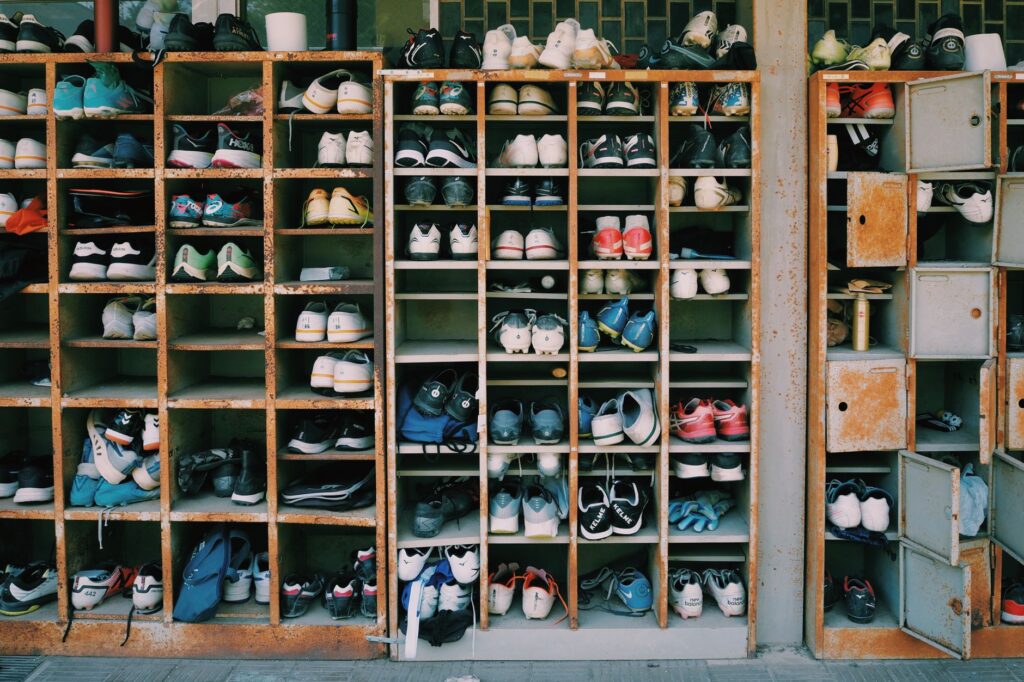
Can dry-rotted shoes be fixed?
A peeling sole can sometimes be reglued. A crumbling midsole usually cannot be fixed cheaply. A cobbler can sometimes do a sole swap. See shoe repair vs replace.
This guide is based on published sources and common owner feedback. Links to Amazon are affiliate links, which support the site at no extra cost to you.
Related guides
Read why shoes get moldy in the closet.
Read why Dr. Martens soles split.
Frequently asked questions
Can shoes dry rot without being worn?
Yes. Foam, glue and rubber age even in a box.
What causes shoe dry rot?
Moisture, heat, air and light break down foam, glue and rubber over time.
How do I stop shoes from dry rotting?
Store them cool, dry and dark, and wear them now and then.
Can dry rot be fixed?
Peeling soles can often be reglued. Crumbling midsoles usually cannot be fixed cheaply.
How can I tell if old shoes are safe to wear?
Bend the sole and press the midsole. Cracks, crumbling or stickiness mean do not use them for long walks.