Parents often ask whether babies and toddlers should wear soft sole or hard sole shoes. The answer depends on your child’s stage, where they walk and the weather. This 2027 guide explains the difference between soft sole and hard sole baby shoes, when each one makes sense and how to choose a first pair.
In this guide
Short answer: Soft soles are a common choice for indoor wear and early walking because they flex easily. Flexible rubber soles are better for outdoor walking once your child walks confidently. Avoid stiff, heavy shoes for early walkers.
Soft sole vs hard sole: the difference
| Feature | Soft sole | Flexible rubber sole |
|---|---|---|
| Flexibility | Very flexible | Flexible |
| Protection | Low | Higher |
| Best place | Indoors, gentle surfaces | Outdoors |
| Best stage | Crawling, early walking | Confident walking |
When to choose soft soles
- Crawling and cruising
- Indoor wear on cold floors
- Early steps on safe surfaces
When to choose rubber soles
- Walking outside on pavements
- Parks, playgrounds and wet ground
- Cold or rainy weather
Baby shoes to consider
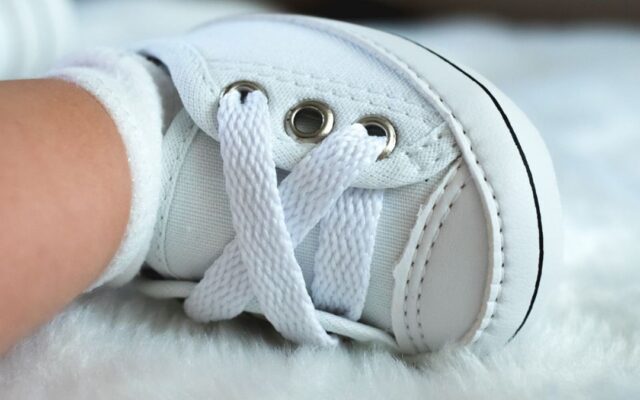
Soft Sole Leather Moccasins
Best for: Indoors and early walking
Flexible leather shoes.
- Good: Very flexible
- Less good: Indoor use
First Walker Shoes
Best for: Outdoor walking
Flexible rubber-soled shoes.
- Good: Protective
- Less good: Less flexible
What to look for in a first shoe
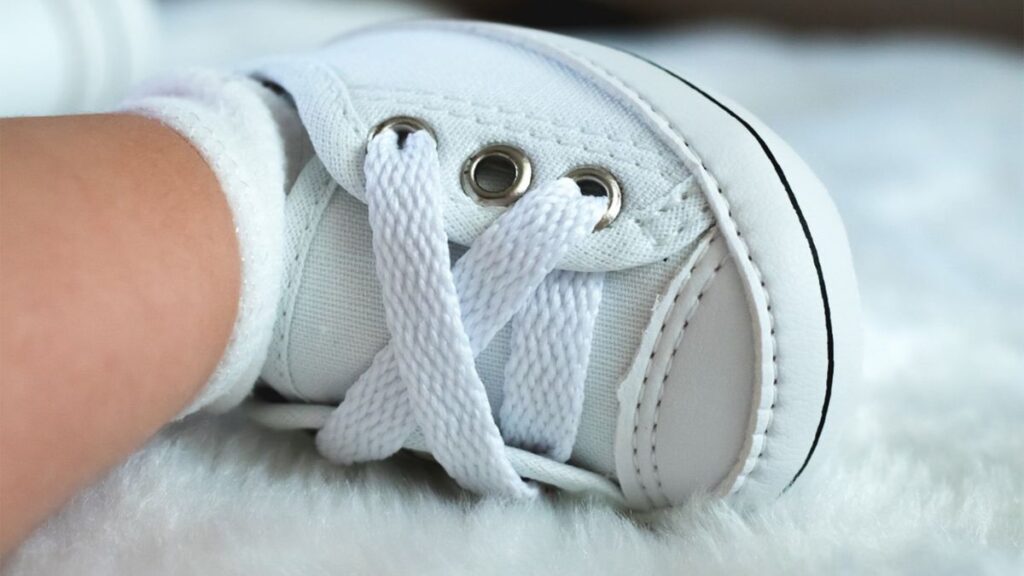
- Flexible sole that bends at the toes
- Light weight
- Roomy toe area
- Secure fit (elastic, strap or laces)
This guide is general information, not medical advice. Ask your pediatrician about your child’s feet, walking or shoe choices.
Related: Best Shoes for Teenage Girls: School, Sports and Trends
Signs a shoe fits your child well
- About a thumb’s width of space in front of the longest toe
- The heel stays put when your child walks
- No red marks after taking the shoes off
- Your child walks naturally and does not trip
How often to check shoe size
| Age | Check every |
|---|---|
| Babies (crawling) | Few weeks |
| Toddlers (1 to 3) | 1 to 2 months |
| Pre-school (3 to 5) | 2 to 3 months |
Common mistakes to avoid
- Buying too big “to grow into”
- Stiff, heavy soles for early walkers
- Hand-me-downs that are already moulded to another child’s feet
- Shoes that slip off easily
Indoor vs outdoor checklist
Indoors on safe floors, many parents choose bare feet or soft soles. Outdoors, a flexible rubber sole protects from sharp objects, cold and wet ground. Keep one soft pair and one outdoor pair if you can.
Related guides
Read our Freshly Picked review.
Read how to choose kids’ shoes.
Frequently asked questions
Are soft sole shoes better for babies?
They are a common choice for early walking indoors; ask your pediatrician for advice.
When should a baby wear hard sole shoes?
Usually when walking outdoors confidently; choose flexible soles.
Should babies wear shoes indoors?
Many go barefoot or wear soft soles indoors on safe floors.
How much growing room?
A small amount; too much can cause tripping.
Are moccasins soft sole shoes?
Most baby moccasins have soft leather soles.