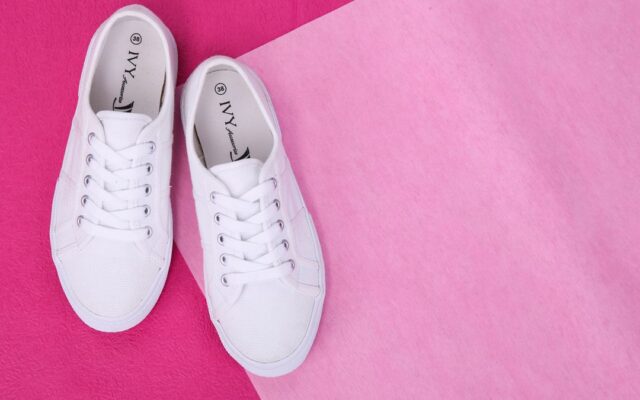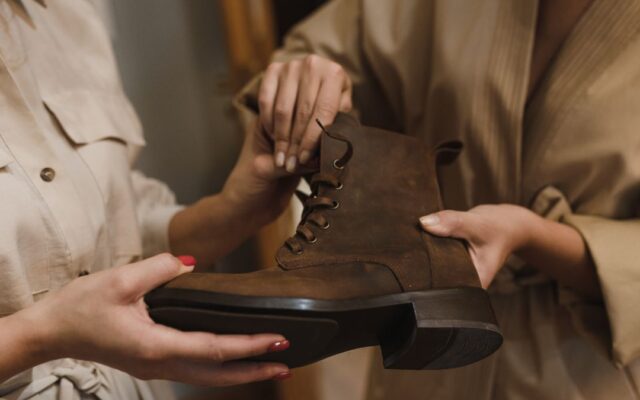
You take off your sneakers or work boots and notice a sharp smell that reminds you of cat pee, even though you do not own a cat. It is one of the most common shoe-odor complaints, and it usually has a simple cause. This guide explains why shoes and work boots can smell like cat urine, how to tell the difference between real cat pee and sweat odor, and step-by-step fixes that actually remove the smell.
In this guide
Short answer: Most of the time the smell is ammonia, produced when bacteria break down sweat inside a damp shoe. Dry the shoes completely, wash or replace the insoles, clean the inside with a baking soda or vinegar solution, and rotate pairs so each one dries out. If a cat really did pee in your shoe, use an enzyme cleaner made for pet urine.
Why do my shoes smell like cat pee?
Sweat itself has little smell. The odor comes when bacteria living on your skin and inside the shoe feed on sweat and dead skin and release waste products. One of those is ammonia, the same sharp chemical smell people link with cat urine. Shoes that stay warm and damp, such as work boots worn on long shifts or running shoes that never fully dry, give bacteria the perfect place to grow.
Many people notice the smell is worse after shoes get wet in the rain or are worn without socks. Moisture trapped in foam insoles, linings and glue gives bacteria more to work with, and the smell can return quickly if the shoe never dries all the way.
This guide is based on published brand care and fit guidance, expert advice and common owner experiences. We have not been paid by any brand. Links to Amazon are affiliate links, which support the site at no extra cost to you.
| Possible cause | Clues | Best fix |
|---|---|---|
| Sweat and bacteria (ammonia) | Smell is strongest after long wear, worse in hot weather | Dry fully, wash insoles, rotate pairs |
| Shoes got wet and stayed damp | Smell started after rain, a wash or a puddle | Dry with paper and airflow, not heat |
| Worn-out foam insoles | Insoles feel flat, sticky or darker | Replace the insoles |
| A real cat sprayed or peed | You have a cat, or a neighbour’s cat got in; a stain or crust | Enzyme pet-urine cleaner |
| Socks or no socks | Smell is worse when worn barefoot | Moisture-wicking socks |

Why do work boots smell like cat pee or ammonia?
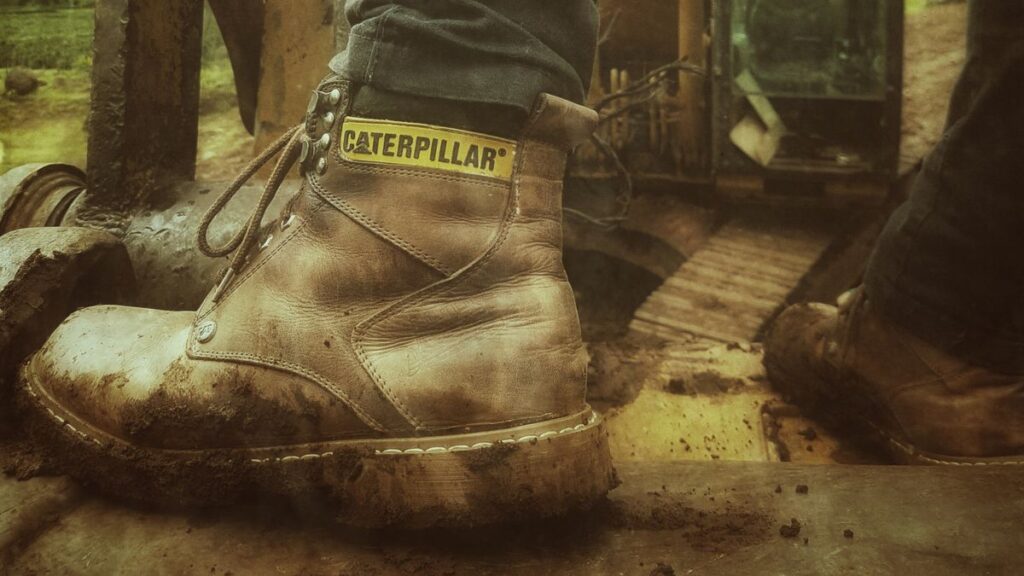
Work boots are worn for 8 to 12 hours, often with thick socks, waterproof membranes and leather that lets little air in. Sweat has nowhere to go, so the inside stays damp for hours after you take them off. If you wear the same pair the next morning, it never dries, and the ammonia smell builds day by day.
Leather can also hold odor once it soaks in, so boots need regular drying and an occasional deep clean of the lining and footbed.
How to get the cat pee smell out of shoes
- Take out the laces and insoles so air can reach the whole inside.
- Wash the insoles by hand in warm water with a little mild detergent, rinse and let them air-dry. If they are flattened or crumbling, replace them.
- Wipe the inside of the shoe with a cloth dipped in a mix of one part white vinegar to two parts water, or warm water with a little baking soda. Do not soak leather.
- Stuff the shoes with dry newspaper or paper towels and leave them in a well-ventilated spot. Change the paper when it gets damp.
- Once dry, sprinkle a spoon of baking soda inside, leave it overnight and shake it out in the morning.
- For canvas or mesh sneakers that the brand says are washable, a gentle wash and a full air-dry can reset the smell.
- Avoid dryers, radiators and hair dryers. Heat can weaken glue and warp foam.
Related: Shoe Sole Types Explained: Materials, Tread and Uses
Products that help with shoe odor
Enzyme pet-urine cleaner
Best for: real cat pee in shoes
Breaks down the uric acid in cat urine that soap leaves behind.
- Good: Targets the real cause
- Less good: May need two treatments
Boot and shoe dryer
Best for: daily work boots
Gently dries boots overnight so bacteria cannot build up.
- Good: Keeps boots dry every day
- Less good: Needs an outlet
Cedar shoe inserts
Best for: everyday shoes
Cedar absorbs moisture and adds a fresh scent.
- Good: Reusable; no chemicals
- Less good: Slower than a dryer
Replacement odor-control insoles
Best for: flattened, smelly insoles
New insoles remove the part of the shoe that holds most sweat.
- Good: Fast fix
- Less good: Check size and arch fit
If a cat really peed in your shoe
Cat urine contains uric acid crystals that normal soap does not fully break down, so the smell keeps coming back. Use an enzyme cleaner sold for pet urine: soak the affected area (the insole and lining), let it work for the time on the label, then air-dry. You may need to repeat it. If a fabric shoe is badly soaked, washing it with an enzyme laundry booster is often the only fix. Leather shoes may need professional cleaning.
Store shoes off the floor or in a closed cabinet if a cat keeps choosing them.
How to stop the smell coming back
- Rotate two pairs of work or everyday shoes so each pair gets at least 24 hours to dry.
- Wear moisture-wicking socks (merino wool or synthetic) instead of cotton.
- Take insoles out at night when shoes feel damp.
- Use a low-heat or fan boot dryer for work boots, following the boot maker’s advice.
- Use cedar shoe inserts or odor-absorbing inserts between wears.
- Replace foam insoles every few months if you wear the shoes daily.
- Wash your feet daily and dry well between your toes.
Note: if you have constant foot odor along with itching, peeling or redness, see a doctor or podiatrist, as it may be a skin problem rather than just the shoes.
Related guides
Read how to stop shoes from squeaking.
Read why new shoes smell like chemicals.
See our best shoe deodorizers.
Learn how to dry shoes.
Learn how to clean insoles.
Frequently asked questions
Why do my shoes smell like cat pee?
Usually because bacteria break down sweat inside damp shoes and release ammonia, which smells like cat urine.
Why do my work boots smell like ammonia?
Long shifts, thick socks and waterproof leather trap sweat, so the boots stay damp and bacteria produce ammonia.
How do I get the cat pee smell out of my shoes?
Remove the insoles, clean the inside with diluted vinegar or baking soda, dry the shoes fully without heat, and replace worn insoles.
Why do my shoes smell like cat pee after getting wet?
Water soaks into foam and linings and gives bacteria more moisture to grow. Dry them quickly with paper and airflow.
What removes real cat urine from shoes?
An enzyme cleaner made for pet urine breaks down the uric acid that normal soap leaves behind.