The sole decides how a shoe grips, cushions, flexes and lasts. Most shoes use rubber for the outsole because it grips well and wears slowly, with a softer foam such as EVA or polyurethane above it for cushioning. Leather soles are used on dress shoes, and specialised soles such as lug, crepe and commando soles suit particular jobs.
In this guide
The parts of a sole
- Outsole: the bottom layer that touches the ground. It provides grip and wear resistance.
- Midsole: the cushioning layer between outsole and foot. It absorbs shock.
- Insole (footbed): the layer your foot rests on, often removable.
- Shank: a stiff strip in the midfoot of boots and dress shoes that supports the arch.
- Welt: a strip that joins the upper to the sole on stitched footwear.
Sole materials compared
| Material | Grip | Durability | Weight | Typical use |
|---|---|---|---|---|
| Rubber | Very good, including wet | High | Medium to heavy | Sneakers, boots, work shoes |
| Leather | Low when new or wet | Medium; can be resoled | Light | Dress shoes |
| EVA foam | Fair | Low to medium; compresses | Very light | Running shoe midsoles, sandals |
| Polyurethane (PU) | Good | High | Medium | Work boots, hiking boot midsoles |
| TPR (thermoplastic rubber) | Good | Medium | Light to medium | Casual and children’s shoes |
| TPU | Good | Very high, abrasion resistant | Medium | Football boots, work and hiking outsoles |
| Crepe rubber | Good on dry ground | Medium; gets dirty, softens in heat | Heavy | Desert boots, casual shoes |
| Cork | Fair | Medium | Light | Sandal footbeds, midsole filler |
Related: How to Get Tar Off Shoes Without Ruining Them
Common sole constructions and tread types
Lug soles
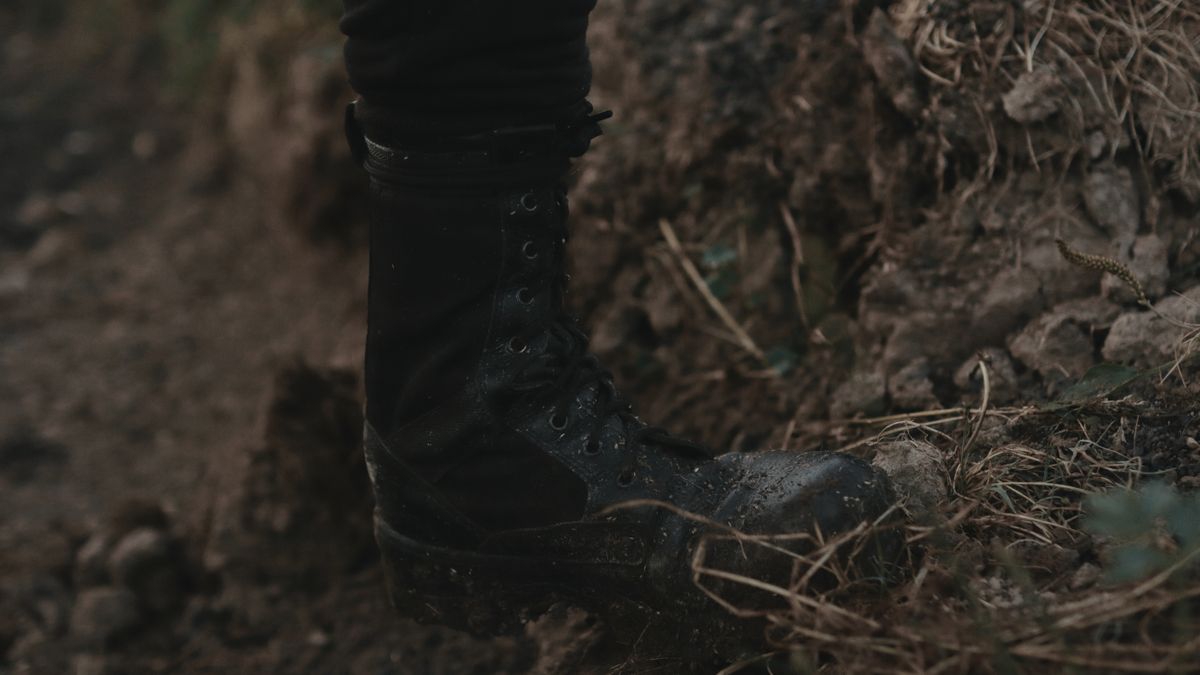
Thick rubber soles with deep, chunky tread blocks. They bite into mud, snow and loose ground and are standard on hiking and work boots. Deeper lugs grip soft ground better but feel clumsier on pavement.
Commando soles
A classic heavy lug pattern originally designed for mountaineering, now common on rugged dress boots.
Dainite and studded rubber soles
Low-profile rubber soles with recessed studs. They look close to a leather sole from the side while giving far better wet grip.
Cupsoles and vulcanised soles
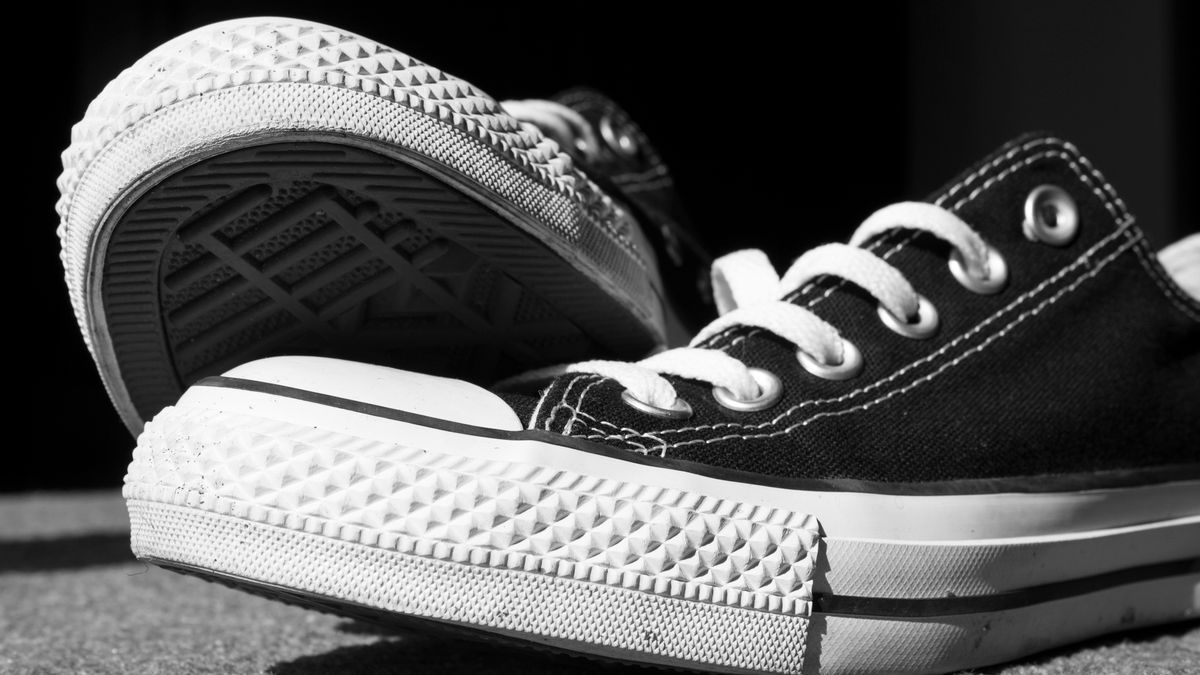
Two ways of building sneakers. A cupsole is a pre-moulded rubber “cup” stitched and glued to the upper, which is supportive and durable. A vulcanised sole is rubber bonded to the upper with heat, which is thinner and more flexible with better board feel, as on classic canvas sneakers and many skate shoes.
Wedge soles
A single piece of foam or rubber that runs the full length with no separate heel. Light and comfortable on flat, hard floors.
Non-marking and slip-resistant soles
Non-marking rubber does not leave scuffs on indoor floors and is used for court sports and boats. Slip-resistant soles use soft compounds and channelled tread for wet or greasy floors.
Which sole do you need?
- Running and walking: a rubber outsole over an EVA or similar foam midsole.
- Hiking and outdoor work: lugged rubber outsole with a PU or dense EVA midsole.
- Kitchens, hospitals, wet floors: certified slip-resistant rubber.
- Formal wear: leather, or a slim rubber sole for wet climates.
- Indoor courts: flat, non-marking gum rubber.
- Everyday casual: cupsole or vulcanised rubber.
When soles wear out
- Tread worn smooth means lost grip. Scuffing helps new soles, not worn ones; see how to make shoes non-slip.
- Creased, flattened foam means lost cushioning, common in running shoes after heavy use.
- A sole peeling at the edge can usually be re-glued. See how to fix shoe sole separation.
- Uneven wear can reveal how you walk; see what pronation is.
For an unusual example of a sole designed to slide instead of grip, see how bowling shoes work.
To see how soles are attached to uppers, read how shoes are made.
Frequently asked questions
Which sole material lasts longest?
Dense rubber and TPU outsoles are the most abrasion resistant. Soft foams such as EVA wear and compress fastest.
What is the difference between EVA and rubber soles?
EVA is a light foam that cushions well but wears quickly. Rubber is heavier, grips better and lasts longer, so many shoes use both.
What is a TPR sole?
Thermoplastic rubber, a moulded blend of plastic and rubber. It is light, flexible and inexpensive, with reasonable grip.
Can soles be replaced?
Stitched (welted) shoes and boots can be resoled several times by a cobbler. Most glued sneakers cannot be resoled economically.