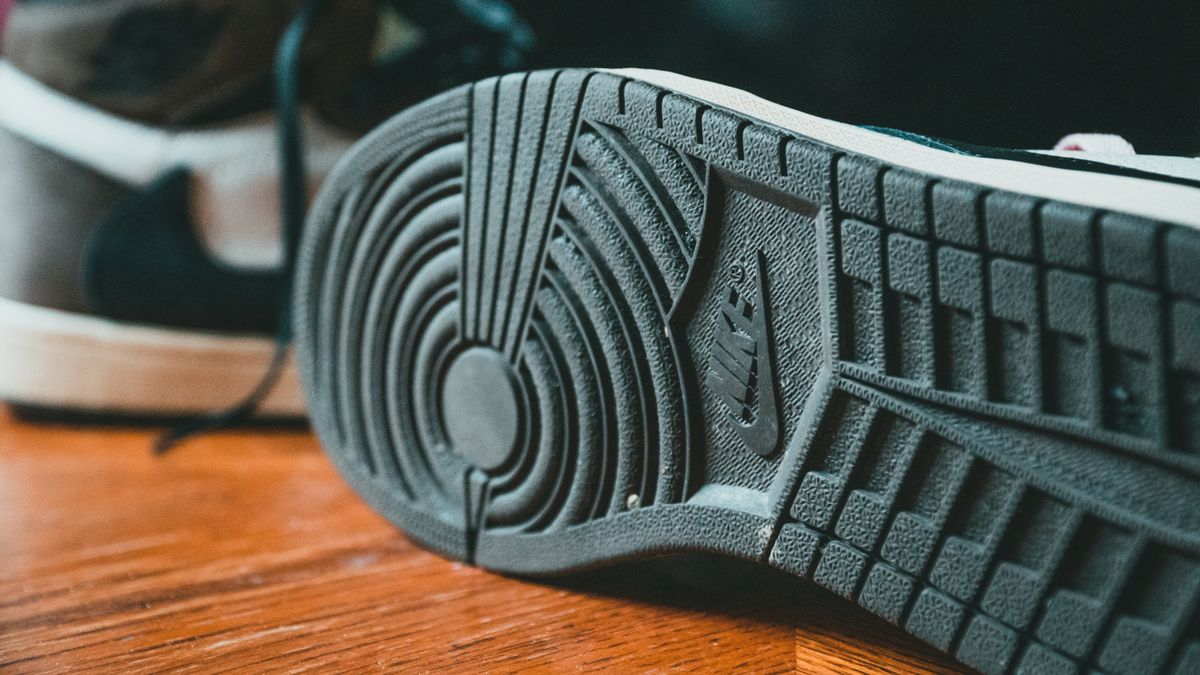
The quickest way to make shoes less slippery is to scuff the smooth outsole with coarse sandpaper or by walking on rough concrete. For a longer-lasting fix, stick on adhesive grip pads or have a cobbler add rubber soles. If you need grip for work on wet or greasy floors, buy shoes with certified slip-resistant soles; home fixes are not a substitute.
In this guide
Why shoes slip
- New, glossy soles. Leather and some rubber outsoles leave the factory very smooth.
- Worn tread. Once the pattern has worn flat, water has nowhere to go and the sole slides on top of it.
- Hard sole materials. Leather and hard plastic grip far less than soft rubber.
- Contamination. Oil, grease, dust or soap on the sole or the floor.
Methods compared
| Method | Best for | How long it lasts |
|---|---|---|
| Scuffing with sandpaper or on pavement | New shoes with smooth soles | Until the sole wears smooth again |
| Adhesive grip pads | Dress shoes, heels, leather soles | Weeks to months |
| Traction spray | Occasional use, events | Days; needs reapplying |
| Cobbler-fitted rubber half soles | Good leather-soled shoes | A year or more |
| Ice grips or cleats | Snow and ice | Seasons |
| Hairspray or adhesive bandages | An emergency for one evening | Hours |
1. Scuff the soles
- Rub the outsole, especially the ball of the foot and the heel, with coarse sandpaper (around 50 to 80 grit) until the shine is gone.
- Or walk and twist your feet on rough concrete or gravel for a few minutes.
This roughens the surface so it can grip. It is the first thing to try on any new pair.
2. Score the soles lightly
On smooth leather soles, shallow criss-cross scratches made with the edge of a file or coarse sandpaper add texture. Keep them shallow; deep cuts weaken the sole.
3. Stick on grip pads
Adhesive non-slip pads are thin textured rubber stickers for the forefoot and heel. Clean the sole with rubbing alcohol, let it dry, press the pad on firmly and leave it for a few hours before wearing. They are the neatest fix for heels and dress shoes.
4. Use a traction spray
Grip sprays leave a slightly tacky coating on the sole. They are quick and invisible, but they wear off fast and need reapplying, so treat them as a short-term measure.
Related: How to Clean UGG Slippers and Other Sheepskin Slippers
5. Have rubber soles fitted
A cobbler can glue a thin rubber half sole and heel piece onto leather-soled shoes. It improves grip dramatically, protects the leather sole and costs far less than new shoes.
6. Add ice grips for winter
For snow and ice, slip-on traction devices with metal studs or coils stretch over your normal shoes. Take them off indoors, because they are slippery on hard floors and can damage them.
7. Emergency fixes
For one event, a light coat of hairspray on the soles, left to dry until tacky, or two adhesive bandages stuck across the forefoot, add a little grip. Neither lasts long, and hairspray stops working when wet.
Keep the soles clean
Grease and fine dust make any sole slippery. Scrub the tread with warm soapy water and an old brush, and pick out stones packed into the grooves. This restores grip on shoes that used to be fine.
When to replace the shoes
If the tread is worn flat, especially on running, hiking or work shoes, no treatment brings the grip back. Replace them.
Non-slip shoes for work
Kitchens, hospitals and similar workplaces often require slip-resistant footwear. These shoes use soft rubber compounds and tread patterns designed to channel liquid away, and many are tested to recognised standards. Check your employer’s requirements and look for shoes labelled slip-resistant for wet and oily surfaces. Do not rely on sandpaper or pads in those conditions.
Fit matters for stability as well. A foot that slides inside the shoe is harder to control; see how to make shoes fit smaller.
For work on wet or greasy floors, see what slip-resistant shoes are and how they work.
For jobs that need safety footwear, see the best steel toe work boots.
Frequently asked questions
Does hairspray make shoes non-slip?
Briefly. It adds tackiness for a few hours on dry floors but wears off quickly and fails when wet.
Does sanding the soles damage shoes?
Light scuffing does not. It only removes the glossy surface layer. Do not sand through thin soles.
How do I make heels less slippery?
Scuff the sole under the ball of the foot and add adhesive grip pads. A cobbler can also fit a rubber half sole.
Why are my new shoes so slippery?
New outsoles are smooth and sometimes carry a residue from manufacturing. A few days of wear outdoors, or sandpaper, fixes it.