Plenty of people on forums post photos of one worn-down heel next to a shoe that looks almost new. Uneven wear is common and usually comes from how you walk, stand or drive. This guide explains the main causes and what you can do.
In this guide
Short answer: Uneven wear usually comes from a dominant leg, a slight leg-length difference, how your foot rolls, or habits like driving with your right foot on the pedal. Small differences are normal. Large, fast or new differences are worth showing to a podiatrist.
Main causes of uneven shoe wear
| Cause | Typical wear pattern |
|---|---|
| Dominant leg | More wear on one forefoot or heel |
| Leg-length difference | One heel wears faster |
| Supination | Outer edge wears more |
| Overpronation | Inner edge wears more |
| Driving | Back of the right heel scuffs |
| Old injury | Wear changes on the injured side |
Is uneven wear a problem?
A little difference is normal; nobody walks perfectly evenly. It becomes a concern when one shoe wears out much faster, the wear is new, or you also have knee, hip or back pain. A podiatrist or physical therapist can check your gait.
How to make shoes wear more evenly
- Rotate two pairs so each lasts longer
- Use heel guards or a driving heel pad
- Replace shoes before the sole is worn flat
- Ask a cobbler to add heel taps on dress shoes
- Get your gait checked if wear is extreme
Related: How to Clean White Leather Shoes and Keep Them White
Products that help
Heel protectors
Best for: Slowing heel wear
Rubber pieces that cover the worn part of the heel.
- Good: Cheap and simple
- Less good: Not for every sole
Driving heel pad
Best for: Drivers
Protects the back of the right shoe while you drive.
- Good: Stops scuffs
- Less good: One more thing to carry
Supportive insoles
Best for: Rolling feet
Insoles with arch support can change how the foot rolls.
- Good: Adds comfort
- Less good: Ask a podiatrist for big issues
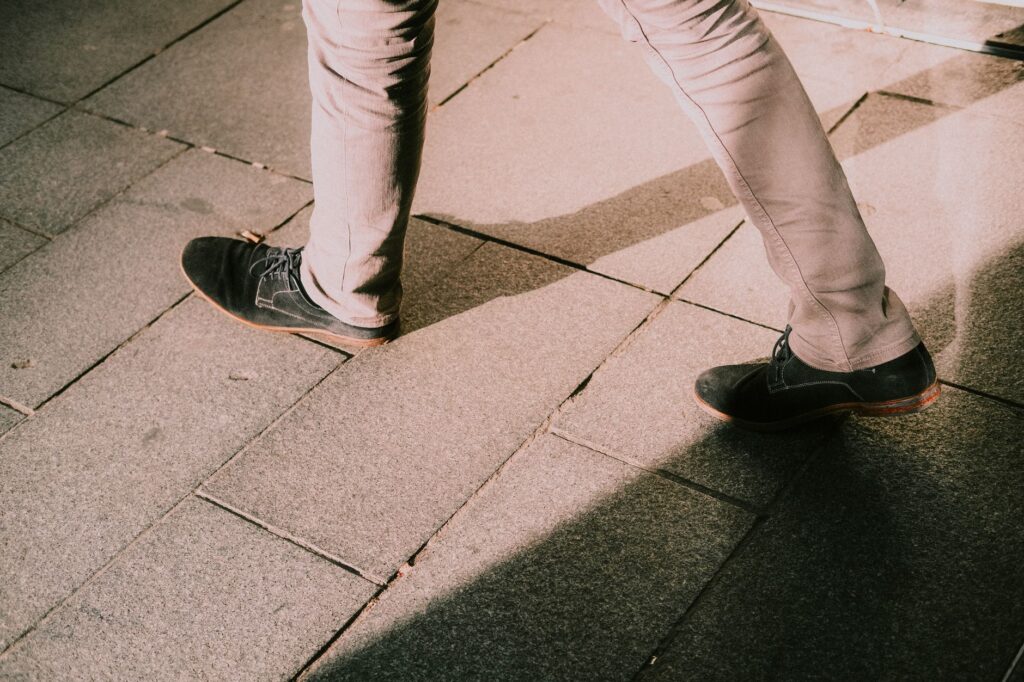
Read your wear pattern
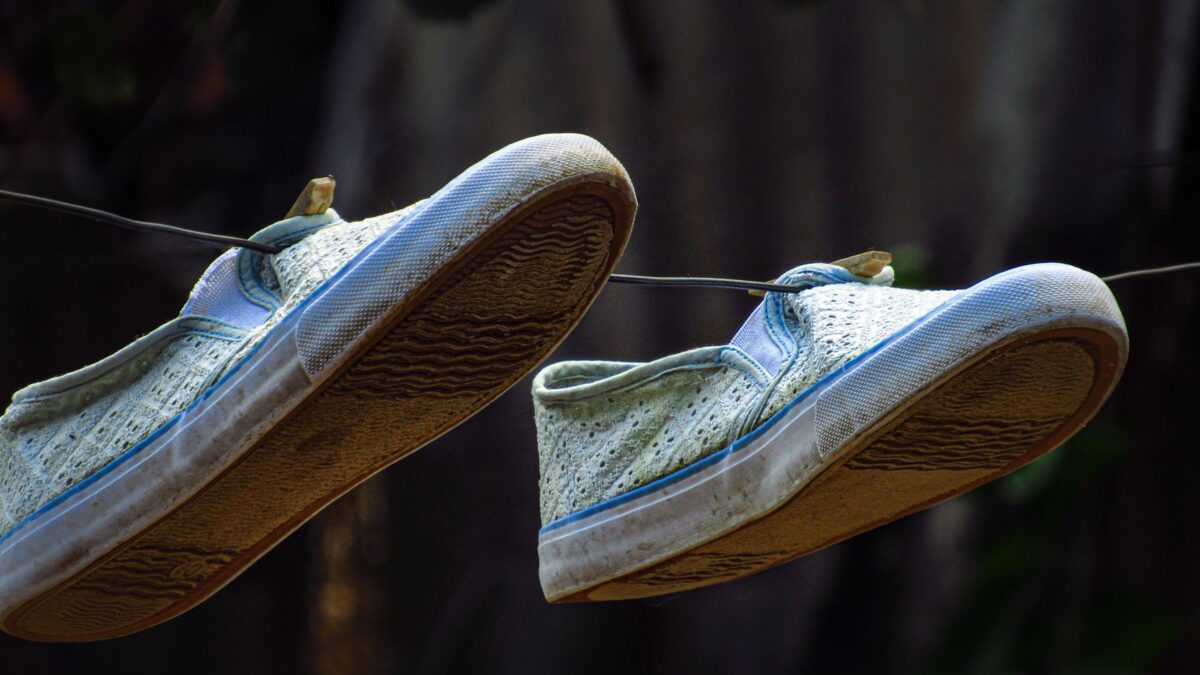
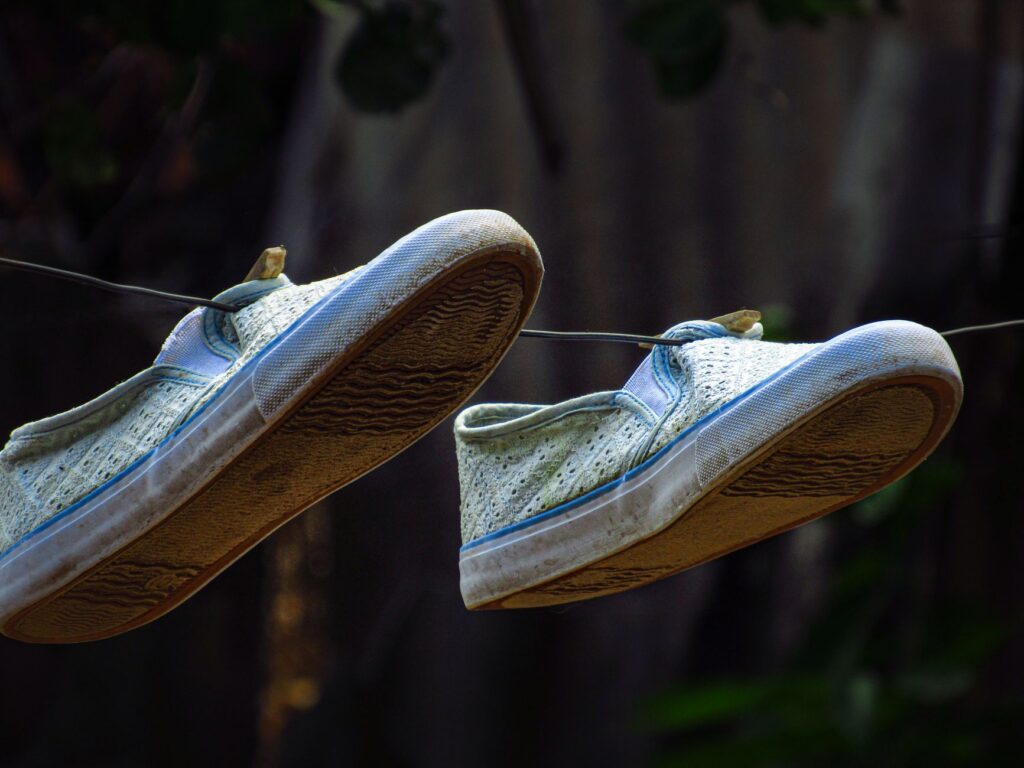
Look at both soles side by side in good light. Compare heels, the ball of the foot and the edges. Our guide to overpronation vs supination explains what each pattern means.
General information, not medical advice. If you have foot pain, numbness or a health condition, see a doctor or podiatrist. This guide is based on published sources and common owner feedback. Links to Amazon are affiliate links, which support the site at no extra cost to you.
Related guides
Read how long running shoes last.
Frequently asked questions
Why does my right shoe wear out faster?
Common reasons are a dominant right leg and driving, which scuffs the back of the right heel.
Why does my left shoe wear out faster?
A slight leg-length difference, an old injury or your gait can cause it.
Is uneven shoe wear bad?
Small differences are normal. Big or new differences are worth checking with a podiatrist.
Can insoles fix uneven wear?
They can help if the cause is how your foot rolls. A podiatrist can advise you.
Should I replace both shoes?
Yes. Replace the pair when one shoe is worn out, so both feet get the same support.