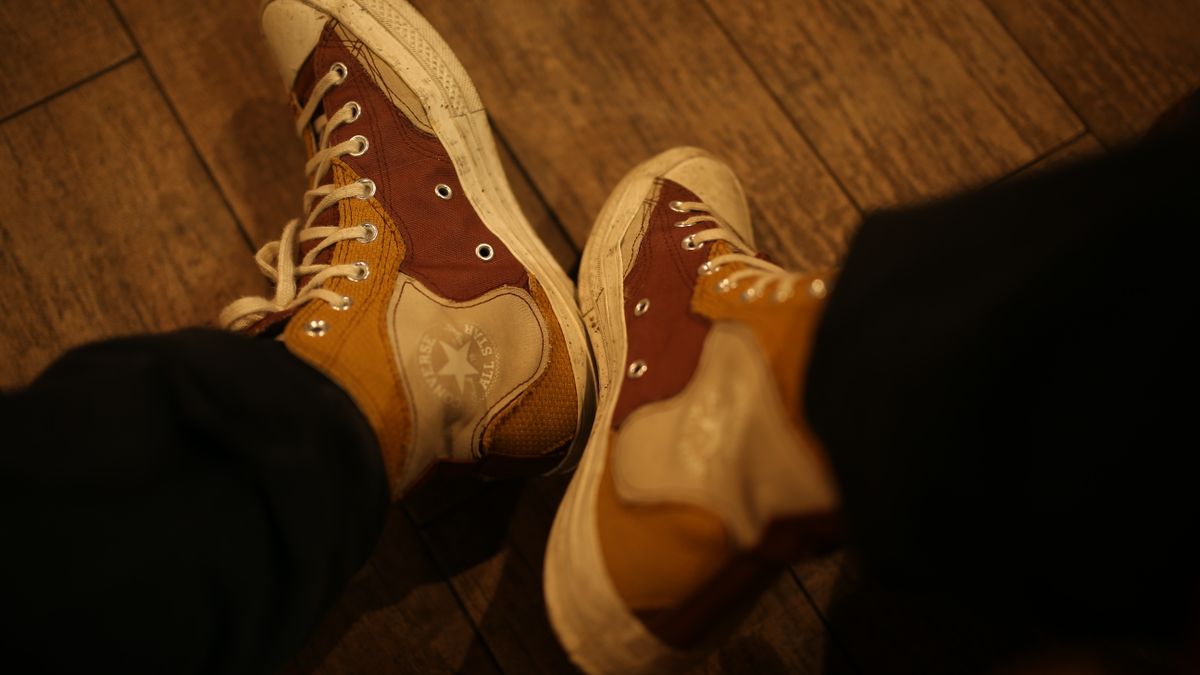
To fix a separated shoe sole, clean and dry both surfaces, roughen them lightly with sandpaper, apply a flexible shoe adhesive, press the sole back in place and clamp it for at least 24 hours. Done properly, the repair often lasts as long as the rest of the shoe.
In this guide
Soles come away when the factory glue breaks down from age, heat, moisture or repeated flexing. If the upper and the sole are both still in good shape, re-gluing is a cheap fix that takes about 20 minutes of work plus drying time.
What you need
- Shoe adhesive. Choose a flexible, waterproof glue made for footwear, such as a urethane adhesive (Shoe Goo is a common example) or a contact cement (such as Barge).
- Rubbing alcohol and a cloth
- Fine sandpaper (around 120 grit)
- A small brush, toothpick or cotton bud for spreading glue
- Clamps, strong rubber bands, or tape and heavy books
- Plain paper to stuff the shoe
Which glue should you use?
| Adhesive | Good for | Keep in mind |
|---|---|---|
| Urethane shoe adhesive | Most sneakers, boots and rubber soles; also fills small gaps | Thick; needs 24 to 72 hours to cure fully |
| Contact cement | Large flat areas and leather soles | Apply to both sides and let it go tacky before joining |
| Super glue (cyanoacrylate) | Tiny emergency fixes only | Dries rigid and brittle, so it cracks where the shoe bends |
Always follow the instructions and safety advice on the product you buy, and work in a well-ventilated space.
How to glue a separated sole: step by step
- Open and clean the gap. Gently pull the sole back as far as it has already separated. Scrape out old glue and dirt, then wipe both surfaces with rubbing alcohol.
- Let it dry completely. Glue will not bond to damp or dirty material.
- Roughen both surfaces lightly with sandpaper and wipe away the dust. This gives the adhesive something to grip.
- Apply the adhesive in a thin, even layer, right into the deepest part of the gap. With contact cement, coat both sides and wait until tacky.
- Press together firmly from the inside of the gap outwards, squeezing out air. Wipe off any glue that oozes out before it sets.
- Clamp. Stuff the shoe with paper so it keeps its shape, then hold the sole in place with clamps, rubber bands or tape. A weight on top helps with flat soles.
- Leave it for at least 24 hours, or as long as the adhesive label says, before wearing the shoe.
Related: How to Fix Flip Flops: Broken Straps, Pulled-Out Plugs and Worn Soles
Fixing a small hole in the sole
- Clean the area and sand around the hole.
- Cover the hole from the inside with strong tape so the adhesive cannot run through.
- Fill the hole from the outside with urethane shoe adhesive and smooth it level with an ice cube or a wet finger.
- Leave it to cure flat for 24 to 48 hours, then remove the tape.
Repair or replace?
- Repair at home when the sole has peeled at the toe, heel or one side and the tread is still good.
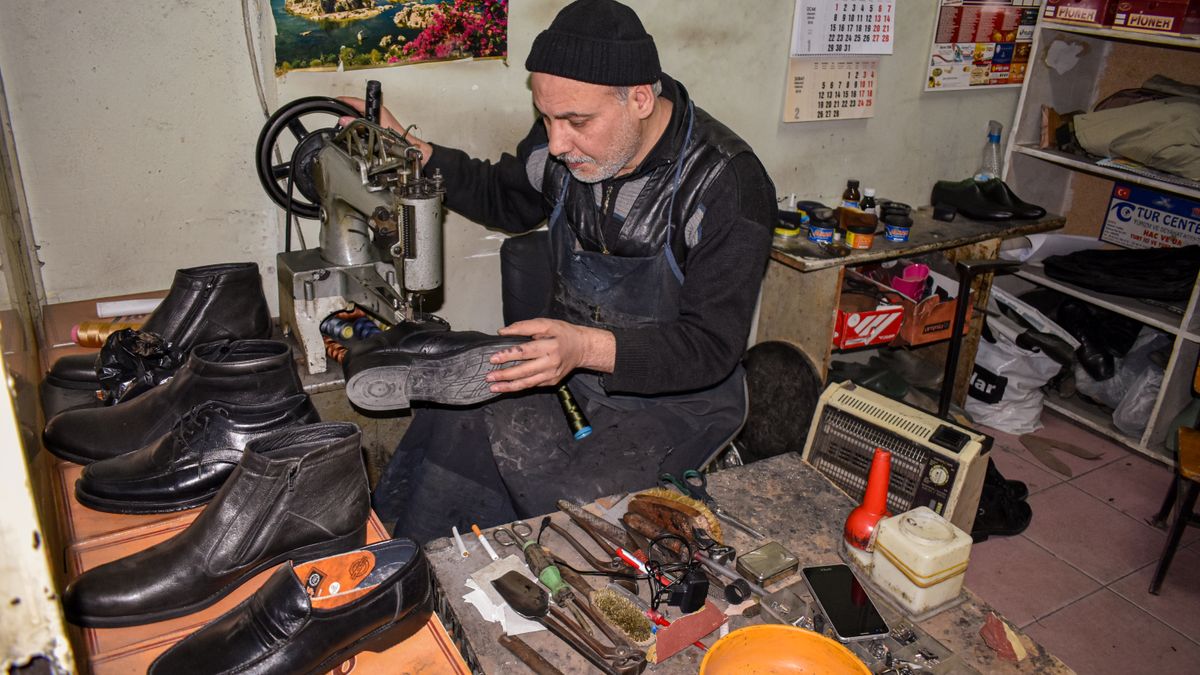
- Take it to a cobbler when the whole sole has come off, the midsole is crumbling, or the shoes are stitched leather footwear worth resoling.
- Replace the shoes when the tread is worn smooth, the foam midsole has collapsed, or the upper is torn. Worn-out running shoes lose their cushioning even if the sole is glued back.
How to stop soles separating again
- Dry wet shoes at room temperature. Heat from radiators, dryers and hot cars softens glue.
- Do not machine wash shoes unless the brand says it is safe. For canvas pairs, follow these cleaning steps.
- Store shoes somewhere cool and dry; glue degrades faster in damp or hot storage.
- Fix small gaps early, before dirt and water get in.
Frequently asked questions
What is the best glue for shoe soles?
A flexible, waterproof adhesive made for footwear, either a urethane shoe glue or a contact cement. Flexibility matters because the sole bends with every step.
Can I use super glue or Gorilla Glue on shoes?
Standard super glue sets hard and tends to crack at the flex point. Expanding polyurethane glues foam as they cure and can push the sole out of line. A shoe-specific adhesive is the better choice.
How long does a glued sole last?
With clean, roughened surfaces and a full cure, a re-glued sole commonly lasts for months or years. Most failed repairs come from dirty surfaces or wearing the shoe too soon.
How long should I wait before wearing repaired shoes?
At least 24 hours, and up to 72 hours for thick urethane adhesives. Check the label.