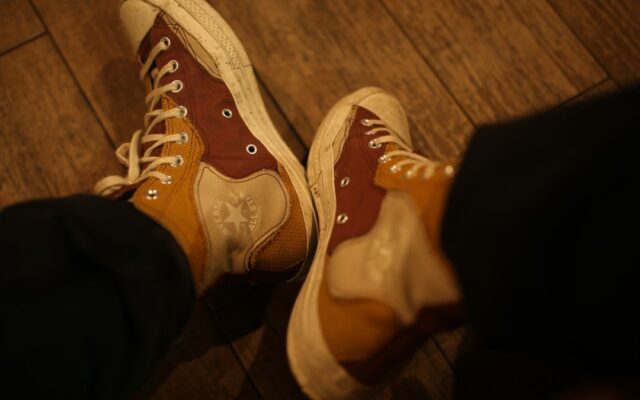
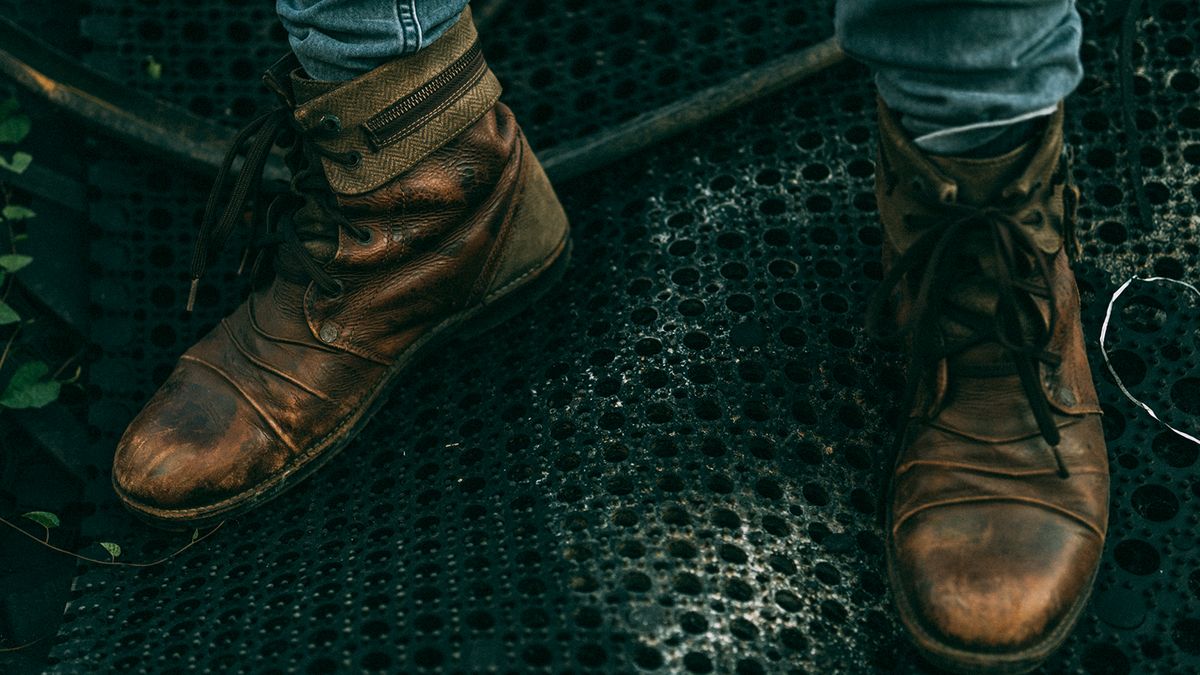
To restore old shoes, clean them thoroughly, let them dry, then repair what is worn: condition and re-colour leather, brush and revive suede, whiten rubber soles, and replace laces and insoles. Most pairs with sound uppers and stitching can be brought back in an afternoon. Worn-through soles and heels are a job for a cobbler, and often cost less than a new pair of good shoes.
In this guide
First, is the pair worth restoring?
| Problem | Fix at home? | What to do |
|---|---|---|
| Dirt, dullness, light scuffs | Yes | Clean, condition, polish |
| Faded colour | Yes | Cream polish or leather dye |
| Creases | Partly | See how to uncrease shoes |
| Yellowed soles | Yes | Sole brightener and sunlight; see how to clean white shoes |
| Sole separating | Yes, if small | See how to fix shoe sole separation |
| Worn-down heels or soles | No | Cobbler: new heels or a resole |
| Cracked leather, crumbling midsole | No | Usually not economical to fix |
What you need
- Soft brush, old toothbrush and cloths
- Mild soap or shoe cleaner
- Leather conditioner and cream or wax polish in the right colour
- Suede brush and eraser
- Shoe trees or newspaper
- New laces and insoles
Step 1: Strip and clean
- Remove laces and insoles. Wash or replace the laces.
- Brush off dry dirt, including the welt and the sole edges.
- Wipe leather with a damp cloth and a little soap. Scrub rubber soles with a toothbrush.
- Stuff with paper and dry at room temperature, away from heaters.
Fabric trainers can often be machine washed; see how to wash shoes.
Step 2: Restore leather
- Insert shoe trees so the leather is smooth.
- Rub in a thin layer of conditioner and let it absorb for 15 to 20 minutes. Dry leather may need two coats.
- Cover scuffs with matching cream polish, working it in with small circles.
- For badly faded leather, use leather dye or recolouring balm, applied in thin coats.
- Finish with wax polish and buff. Full method: how to polish shoes.
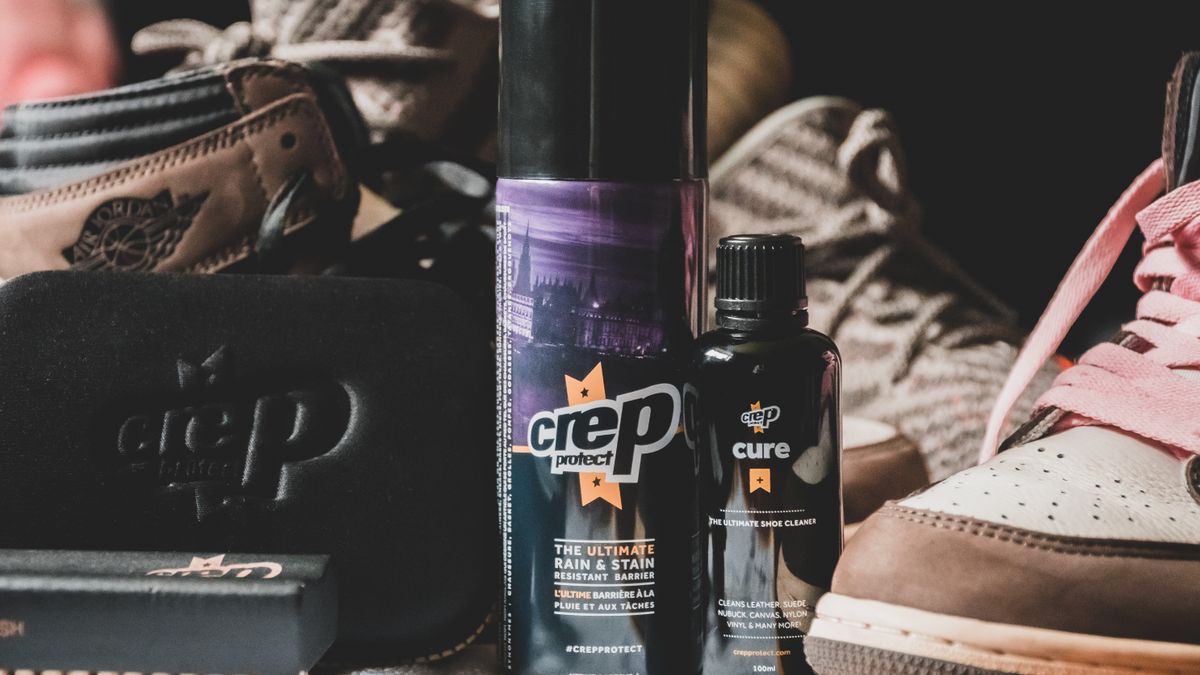
Related: How to Make Shoes Non-Slip: 7 Ways to Add Grip
Step 3: Revive suede and nubuck
- Brush in one direction to lift dirt, then back and forth on flattened areas.
- Rub marks with a suede eraser.
- Hold shiny, flattened patches over steam from a kettle for a few seconds, then brush to raise the nap.
- Use a suede renovator spray to restore colour, then a protector.
More detail: how to clean suede shoes.
Step 4: Refresh trainers
- Scrub midsoles with a paste of baking soda and water or a melamine sponge.
- Treat yellowed rubber with a sole brightening product, following its instructions.
- Touch up scuffed leather panels with a matching leather paint.
- Fresh white laces make a surprising difference.
Step 5: Fix the inside
- Replace flattened insoles.
- Patch a worn heel lining with a stick-on heel grip.
- Deal with odour: how to get rid of shoe odor.
- If the shoes have shrunk or feel tight, see how to stretch shoes.
When to use a cobbler
- Heels worn at an angle or down to the base
- Holes in the sole, or a sole worn thin
- Broken stitching, zips or eyelets
- Welted shoes that need a full resole
Keep them looking good
- Use shoe trees and rotate pairs.
- Condition leather every few months.
- Protect from rain; see how to waterproof shoes.
Keep the shape afterwards with the best shoe trees.
Frequently asked questions
Can cracked leather be repaired?
Fine surface cracks can be improved with conditioner and filler cream. Deep cracks through the leather cannot be reversed.
How do you restore the colour of leather shoes?
Clean and condition them, then apply pigmented cream polish. For heavy fading, use leather dye in thin coats.
Is it worth resoling shoes?
Yes for well-made leather shoes and boots with sound uppers. It is rarely worth it for cheap, glued shoes.
How do you soften old, stiff leather?
Apply leather conditioner in thin coats over a couple of days and wear the shoes for short periods.