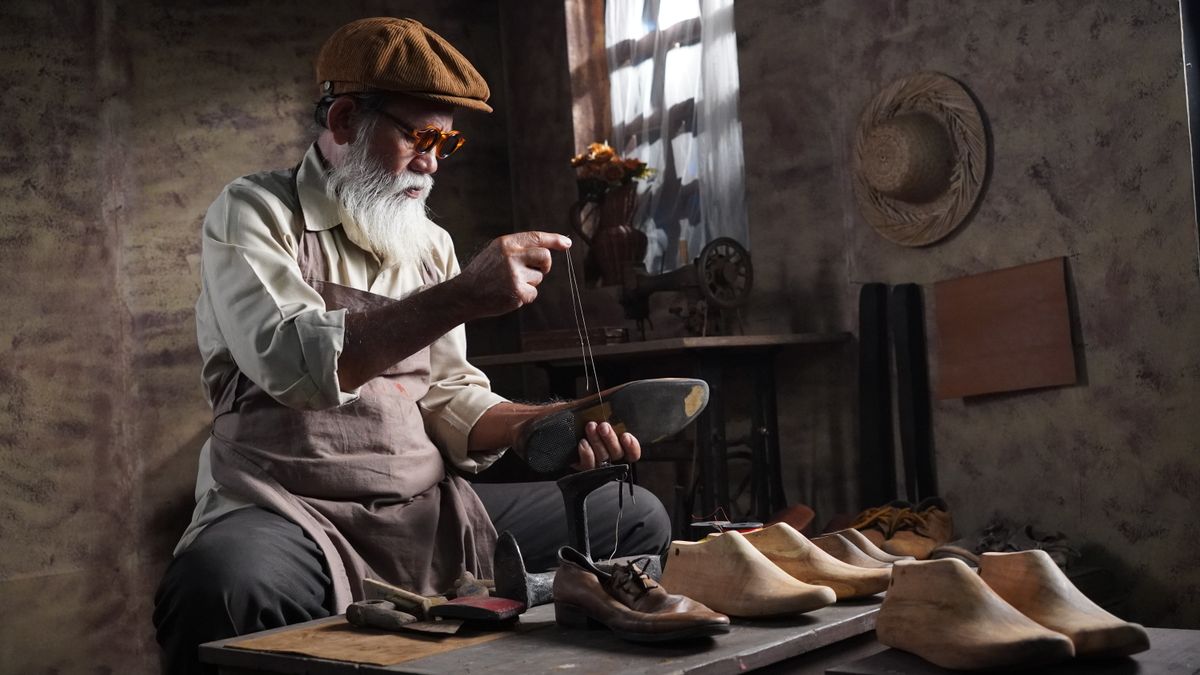
Resoling means replacing the worn outsole of a shoe, and sometimes the heel and midsole, so the upper can carry on. It is worth doing when the upper is in good condition and the shoe is built to be repaired: Goodyear-welted, Blake-stitched or stitchdown shoes and boots, and many hiking and climbing shoes. A good cobbler can also re-sole some glued shoes. As a rough rule, resole when the repair costs less than half the price of an equivalent new pair.
In this guide
Can your shoes be resoled?
| Construction | How to recognise it | Resoleable? |
|---|---|---|
| Goodyear welt | Visible stitching around the edge of the sole on a strip (welt) between upper and sole | Yes, many times |
| Blake stitch | Stitching visible inside the shoe on the insole; sleeker edge | Yes, with the right machine |
| Stitchdown | Upper flares outward and is stitched to the midsole | Yes |
| Cemented (glued) | No stitching holding the sole | Sometimes; depends on the sole and the cobbler |
| Moulded or cupsole sneakers | Rubber sole wraps up the sides | Rarely economical; specialist sneaker resoles exist |
| Running shoes with foam midsoles | Soft foam with thin rubber pads | No; the cushioning itself is worn out |
Signs your shoes need new soles
- A soft spot or hole in the sole under the ball of the foot
- You can feel the ground or stones more than before
- The heel is worn down at an angle, so you stand tilted
- The welt stitching on the bottom is worn through
- The sole is separating; for small gaps see how to fix shoe sole separation
- Tread is smooth and slippery
Do not wait too long. Once you wear through the outsole into the midsole, cork or welt, the repair becomes larger and dearer.
Resole or replace?
| Resole if | Replace if |
|---|---|
| The upper is sound: no cracks or tears | The leather is cracked through or the lining is destroyed |
| The shoe is welted or stitched | It is a cheap glued shoe |
| The repair costs under half of a new pair | The repair approaches the price of new |
| The shoes fit you perfectly and are broken in | They never fitted well |
| They are quality boots or dress shoes | They are running shoes with dead cushioning |
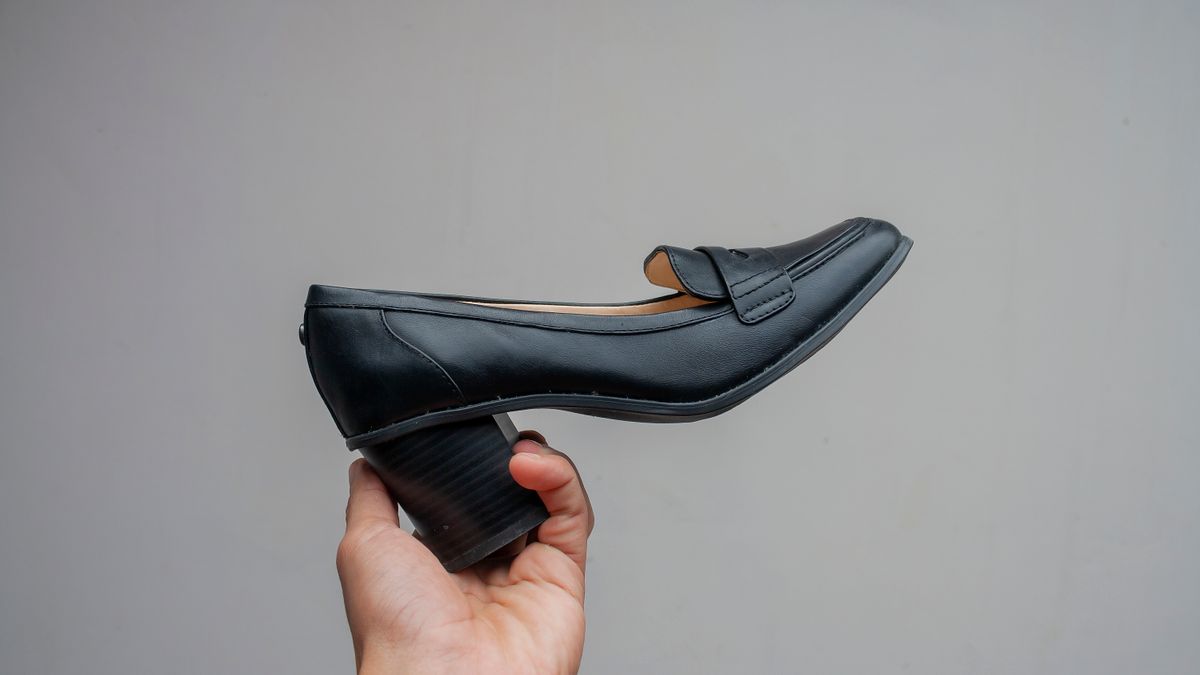
What a cobbler does
- Removes the old heel and outsole.
- Checks the welt, cork filling and shank, and repairs them if needed.
- Fits a new sole (leather, rubber or a combination), stitching and/or cementing it in place.
- Builds and attaches a new heel.
- Trims, sands, dyes and polishes the edges.
A full resole usually takes one to three weeks. Some makers run factory recrafting services that also replace the cork and refinish the uppers.
Related: How to Shrink Shoes That Are Too Big: What Really Works
Typical costs
| Repair | Typical price range (USD) |
|---|---|
| Heel tips or top lifts | 15 to 30 |
| Half soles (front part only) | 40 to 80 |
| Full resole, leather or rubber | 80 to 150 |
| Work or hiking boot resole (e.g. Vibram) | 90 to 180 |
| Factory recrafting by the brand | 130 to 250 |
| Protective rubber sole guard on new leather soles | 25 to 50 |
Prices vary by city and materials; treat these as broad guides and ask for a quote.
Choosing the new sole
- Leather: traditional, breathable, elegant; slippery in the wet.
- Rubber (Dainite, Vibram and similar): more grip and water resistance, longer wearing.
- Combination: leather sole with a rubber forepart and heel.
More detail in leather sole vs rubber sole and shoe sole types.
What you can do at home
- Glue a lifting sole edge with a flexible shoe adhesive.
- Fit stick-on rubber half soles or heel plates to slow wear.
- Replace heel tips on some women’s heels with a kit.
- Leave full resoles to a professional. It needs lasts, presses and stitching machines to do safely.
Make soles last longer
- Rotate pairs so leather soles dry out between wears.
- Add a thin rubber sole protector to new leather soles.
- Use shoe trees: see the best shoe trees.
- Keep uppers clean and conditioned so they are worth resoling: how to polish shoes and how to clean leather boots.
Bringing an old pair back to life? See how to restore old shoes. Buying shoes built to be repaired? See the best dress shoes for men, the best Chelsea boots and how to choose work boots.
Frequently asked questions
How many times can shoes be resoled?
Goodyear-welted shoes can often be resoled three to five times or more, as long as the upper and welt stay sound.
Can sneakers be resoled?
Some cupsole and vulcanised sneakers can be, by specialists. Running shoes generally cannot, because the foam midsole wears out.
Is it cheaper to resole or buy new shoes?
For quality welted shoes and boots, resoling is usually much cheaper than replacing them. For inexpensive glued shoes, replacement is often cheaper.
How long does a resole last?
About as long as the original sole: typically one to three years of regular wear, depending on material and use.