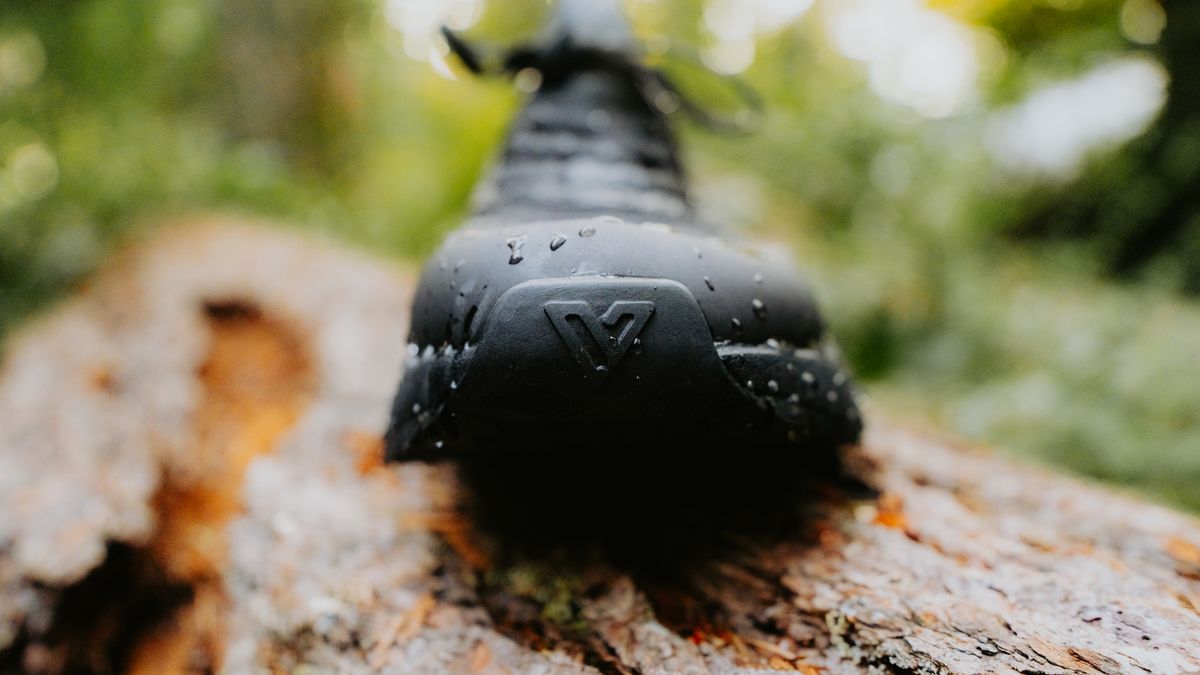
Gore-Tex shoes have a waterproof, breathable membrane built into the upper. They keep your feet dry in rain, wet grass, slush and shallow puddles, which makes them worth buying for cool, wet climates and winter. The trade-offs are that they are warmer, cost more, and take much longer to dry if water gets in over the top. In hot weather, or anywhere you will wade, non-waterproof shoes are usually the better choice.
In this guide
How Gore-Tex works
The membrane is a very thin film with microscopic pores. The pores are far smaller than a water droplet, so liquid cannot pass in, but large enough for water vapour from sweat to pass out. In footwear the membrane is made into a sock-shaped liner (a “bootie”) that sits between the outer fabric and the lining. The outer material is also treated with a durable water repellent (DWR) so that water beads up instead of soaking in.
Other brands make similar membranes, including eVent, Sympatex and in-house versions such as Keen.Dry, Merrell’s M-Select Dry, Columbia’s OutDry and The North Face’s Futurelight. They work on the same principle.
Pros and cons at a glance
| Pros | Cons |
|---|---|
| Keeps out rain, puddles, slush and wet grass | Warmer; feet sweat more in mild or hot weather |
| Keeps feet warmer in cold, wet and windy conditions | Slow to dry once water gets inside |
| Blocks dust, sand and fine grit | Costs more than the non-waterproof version |
| Dry feet mean fewer blisters on wet days | Slightly heavier and stiffer |
| No need to avoid every puddle | Water can still enter over the collar |
| Useful all winter for commuting and walking | Membrane can wear out before the rest of the shoe |
When Gore-Tex shoes are worth it
- Cool, rainy climates and shoulder seasons.
- Winter walking and running in slush and cold rain.
- Hiking in mud, snow patches and wet vegetation; see the best hiking boots.
- Daily commuting where you cannot change shoes.
- Work outdoors in wet conditions.
Related: How to Clean Sandals and Flip Flops (Every Material)
When to skip them
- Hot or humid weather: your feet will get wet from sweat instead.
- Stream crossings and deep water: once flooded, a waterproof shoe holds the water in. Mesh shoes drain and dry within an hour or two. See hiking boots vs trail runners and the best water shoes.
- Dry climates and indoor use: you pay extra for nothing.
- Multi-day trips in constant rain: many long-distance hikers choose quick-drying shoes and accept wet feet.

Is Gore-Tex really breathable?
It breathes, but less than open mesh. Vapour moves out fastest when it is colder and drier outside the shoe than inside. On a warm day the difference is small, so sweat builds up. Breathability also falls when the outer fabric is soaked or dirty, which is why keeping the surface clean and water repellent matters.
How to care for Gore-Tex footwear
- Clean off mud after use with a soft brush and lukewarm water. Dirt clogs the outer fabric. See how to clean running shoes or how to clean leather boots.
- Dry at room temperature with the insoles out. Never on a heater. See how to dry shoes.
- Re-proof the outer with a water-based treatment when water stops beading. See the best waterproofing sprays.
- Avoid waxes and oils on fabric panels; they block the pores.
- Keep toenails trimmed and shake out grit, which can wear holes in the liner.
Gore-Tex vs water-resistant vs waterproof
- Water-resistant: a surface treatment only; fine for light showers.
- Waterproof membrane (Gore-Tex and similar): keeps water out and lets some vapour escape.
- Rubber or PVC: completely waterproof but not breathable; see the best rain boots.
To add water repellency to ordinary shoes, see how to waterproof shoes. Pair waterproof footwear with wicking socks: merino vs synthetic socks. For cold weather, see the best winter boots, and for buying advice read how to choose hiking boots.
Frequently asked questions
Are Gore-Tex shoes 100 percent waterproof?
The membrane is waterproof, but water can come in over the top of the shoe or through damage. They are not designed for wading.
Do Gore-Tex shoes make your feet sweat?
More than mesh shoes in mild or warm weather. In cold, wet conditions most people find them comfortable.
How long does Gore-Tex last in shoes?
Often as long as the shoe with good care, but heavy use, grit and repeated flexing can cause leaks after a few hundred miles.
Are Gore-Tex running shoes worth it?
For winter and rainy runs in cool climates, yes. For summer running, standard mesh is cooler and drains better.