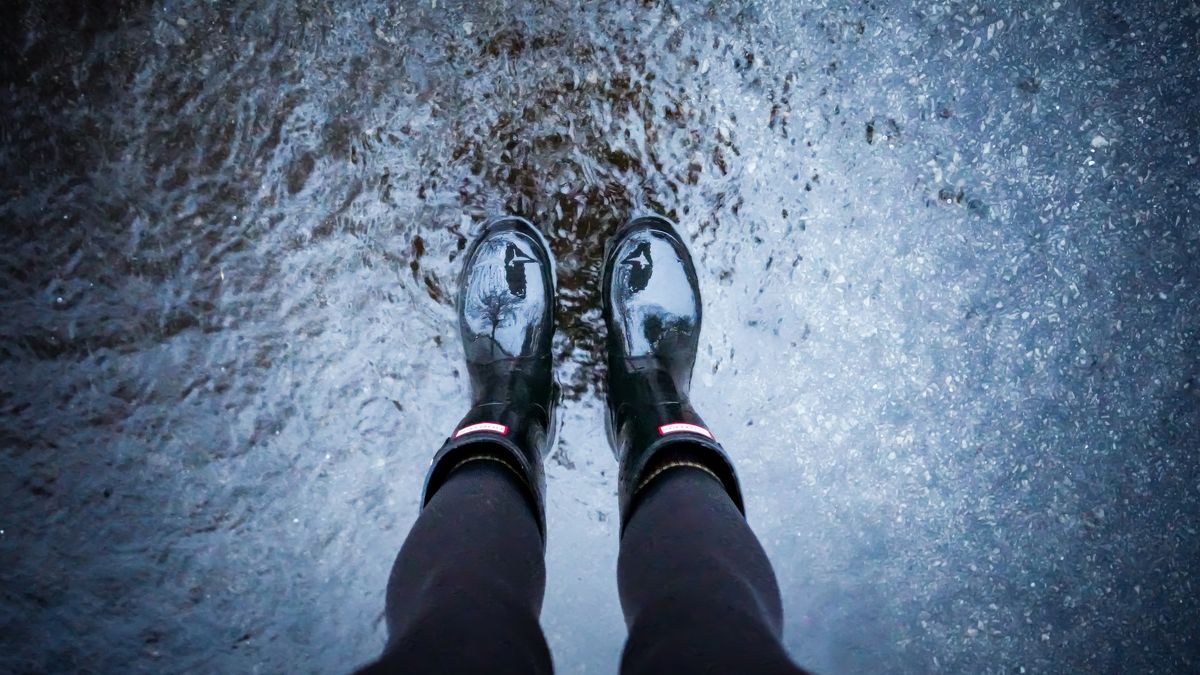
The best rain boots are fully waterproof, comfortable to walk in and grippy on wet surfaces. For most people an ankle-height deck boot such as the Xtratuf Ankle Deck Boot is the easiest to live with: it slips on, handles puddles and is light enough to wear all day. For deep mud and standing water choose a tall boot like the Xtratuf Legacy or Bogs Classic II Tall, and for cold, wet chores an insulated neoprene boot such as the TideWe.
Picks are based on published specifications and independent reviews, not our own testing. Rubber boots do not stretch, so check the size chart and calf measurement.
Quick picks
| Boot | Best for | Height |
|---|---|---|
| Xtratuf Ankle Deck Boot | Everyday rain, errands, boats | Ankle (6 in) |
| Xtratuf Legacy 15-inch | Deep water and heavy use | Tall |
| Bogs Classic II Tall | Warmth and comfort | Tall, insulated |
| Grundens Deck Boss Ankle Boot | Grip and cushioning | Ankle |
| Hunter Original Short | Classic style | Mid-calf |
| TideWe Rubber Neoprene Boot | Cold-weather value | Mid-calf, insulated |
| Asgard Chelsea Rain Boot | Budget and city wear | Ankle |
Related: How to Clean Timberland Boots Without Ruining the Nubuck
The 7 best rain boots
1. Xtratuf Ankle Deck Boot
Best for: daily wear in wet weather
Originally made for commercial fishing crews, this ankle boot has a soft rubber upper, pull tabs front and back and a non-marking, slip-resistant sole made for wet decks. It is light and flexible enough to drive and walk in.
- Good: comfortable, easy on and off, very good wet grip
- Less good: low height lets in deep water; not insulated in the standard version
2. Xtratuf Legacy 15-inch
Best for: flooded ground, fishing and farm work
The tall version uses flexible triple-dipped rubber over neoprene and can be folded down in warm weather. It is the long-standing choice of people who work in the wet every day.
- Good: tall and flexible, proven durability, grippy sole
- Less good: roomy fit; warm; sizing in whole sizes only
3. Bogs Classic II Tall
Best for: cold, wet days and all-day chores
A rubber shell over thick neoprene insulation with handles cut into the shaft for pulling on. The contoured footbed makes it more comfortable to stand in than a plain rubber wellington.
- Good: warm, comfortable footbed, easy handles
- Less good: too warm for summer; heavy
4. Grundens Deck Boss Ankle Boot
Best for: long days on slippery surfaces
Another commercial-fishing design, with a thick cushioned insole, a wide toe box and a razor-siped sole that channels water away. The fold-down top aids ventilation.
- Good: very cushioned, strong wet traction, roomy toes
- Less good: bulkier look; runs large
5. Hunter Original Short
Best for: style-conscious buyers
The classic natural-rubber wellington in a mid-calf height that is easier to walk in and fits more calf sizes than the tall version. It comes in many colours.
- Good: iconic look, natural rubber, many colours
- Less good: thin footbed; narrow fit; rubber can bloom or crack without care
6. TideWe Rubber Neoprene Boot
Best for: cold-weather work on a budget
A rubber-over-neoprene boot with 6 mm insulation and a reinforced toe, at roughly half the price of premium brands. It suits winter chores, hunting and mud.
- Good: warm, inexpensive, tough sole
- Less good: hot above mild temperatures; loose around slim calves
7. Asgard Chelsea Rain Boot
Best for: city commuting at a low price
A PVC ankle boot shaped like a Chelsea boot, with elastic side panels. It looks like a normal shoe under trousers and costs very little.
- Good: cheap, stylish, light
- Less good: less durable; elastic panels are not waterproof above the sole line; little cushioning
How to choose rain boots
- Height. Ankle for pavements and puddles, mid-calf for gardens and mud, tall for standing water.
- Material. Natural rubber is flexible and durable; PVC is cheaper and stiffer; neoprene adds warmth and comfort.
- Insulation. Unlined boots suit mild weather with warm socks. Neoprene boots are for cold conditions.
- Fit. A little heel lift is normal in pull-on boots, but your foot should not slide. Check calf circumference for tall boots.
- Sole. Look for deep tread for mud or siped soles for smooth wet surfaces; see slip-resistant shoes explained.
- Comfort. Add a cushioned insole if you will stand for hours; see the best insoles for standing all day.
Rain boots trap moisture, so dry them well: see how to dry shoes and how to get rid of shoe odor. For leather alternatives see what duck boots are, and for snow see the best winter boots. To protect ordinary shoes instead, see the best waterproofing sprays.
Wet floors at work? See the best slip-resistant work shoes.
Frequently asked questions
Should rain boots be a size bigger?
Usually your normal size. If you are between sizes or will wear thick socks, go up; many rubber boots come only in whole sizes.
Can you wear rain boots in snow?
Unlined rubber boots are cold and can be slippery on ice. Insulated neoprene boots cope better, but proper winter boots are warmer.
Why do rubber boots crack?
Sunlight, heat and drying out. Store them out of the sun, clean off mud and use a rubber conditioner occasionally.
Are rain boots good for walking long distances?
Not ideal. They have little support and do not breathe. Ankle deck boots are the most comfortable for walking.