To store boots properly, clean and fully dry them, support the shaft with boot shapers or rolled inserts so it stands upright, put shoe trees or paper in the foot, and keep them in a cool, dry, ventilated place away from sunlight and heaters. Stored like this, leather keeps its shape and does not crease, crack or grow mould between seasons.
In this guide
Step-by-step: storing boots
- Clean them. Brush off dirt and wipe away salt, which keeps damaging leather while boots sit. See how to clean work boots for the method by material.
- Dry them completely. Give boots at least 24 hours at room temperature after the last wear, with insoles removed. A boot dryer on a gentle setting speeds this up safely.
- Condition leather. A thin coat of conditioner before long storage stops it drying out. Do not use conditioner on suede.
- Support the foot. Cedar shoe trees absorb moisture and hold the vamp flat. Acid-free tissue is the next best choice.
- Support the shaft. Use boot shapers, or improvise with a rolled magazine or a cut pool noodle, so tall shafts do not fold and crease at the ankle.
- Choose the spot. Cool, dry, dark and ventilated. Avoid attics, damp basements, sunny windows and anywhere near a radiator.
- Cover, but let them breathe. Cotton dust bags or a ventilated box keep dust off. Avoid sealed plastic bags, which trap moisture.
How to store each type of boot
| Boot type | Best way to store | Avoid |
|---|---|---|
| Tall leather boots (knee-high, riding) | Upright with full-length shapers, or hung by boot clips with padded grips | Folding the shaft over; tight clips that mark the leather |
| Ankle and Chelsea boots | On a shelf with shoe trees | Stacking pairs on top of each other |
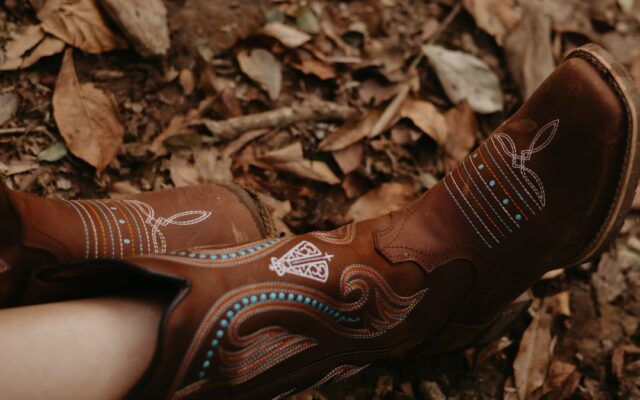
| Cowboy and western boots | Upright with boot trees or shapers; conditioned | Leaning against each other so shafts slump |
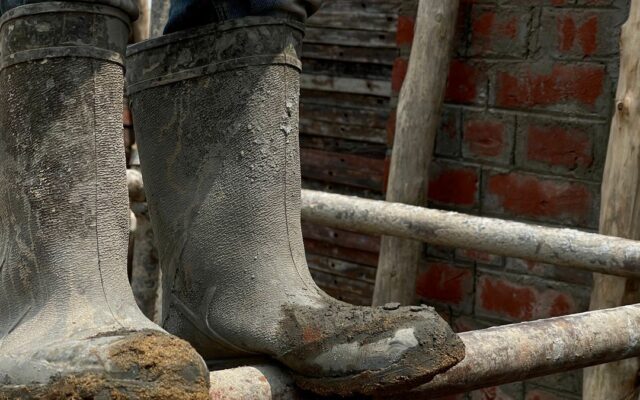
| Work boots | Cleaned, dried, on an open rack with airflow | Leaving them wet and laced in a locker or vehicle |
| Suede and nubuck boots | Brushed, stuffed with paper, in a breathable bag | Plastic, damp air, direct light that fades colour |
| Rubber rain boots | Upright, clean and dry, in a cool dark place | Folding, heat and sunlight, which crack rubber |
| Winter and snow boots | Liners removed and dried, salt wiped off, upright | Storing with damp liners inside |
| Hiking boots | Insoles out, laces loosened, in a dry ventilated spot | Hot garages and car boots, which weaken sole glue |
Care differs between materials; suede vs leather shoes explains why.
Related: How to Wear Timberlands: Outfit Ideas for Men and Women
Short-term vs long-term storage
| Daily or weekly use | Off-season (months) | |
|---|---|---|
| Cleaning | Brush off dirt | Full clean and condition |
| Drying | Overnight on an open rack | At least 24 to 48 hours before packing |
| Support | Shoe trees if you have them | Shoe trees plus shaft shapers |
| Location | Entryway rack or tray | Closet shelf, breathable box or bag |
| Extras | Rotate pairs so each can dry | Cedar blocks or silica gel; check every month or two |
Where to store boots
- Closet shelf or floor: the best all-round place, provided there is some airflow.
- Entryway rack or bench: ideal for pairs in regular use. Racks with taller shelf spacing are covered in our best shoe racks.
- Under the bed: fine for ankle boots in breathable boxes; tall boots should lie flat with shapers in.
- Hanging: boot hangers save floor space for tall boots; choose padded clips.
- Garage or shed: only if dry and temperature-stable. Heat, damp and rodents are the risks.
Common mistakes
- Putting boots away damp, which leads to mould and odour. A product from our best shoe deodorizers helps, but dryness matters most.
- Sealing leather in plastic.
- Letting tall shafts flop over.
- Storing next to heat or in sunlight.
- Forgetting to treat boots before the next season; re-proof them with a product from our best waterproofing sprays.
- Stuffing with printed newspaper for long periods; ink can transfer to light linings.
Thinking about new pairs for next season? See our best winter boots, best Chelsea boots and best rain boots.
For sneakers and dress shoes, see how to store shoes.
Frequently asked questions
Should boots be stored standing up or lying down?
Standing up with support inside the shaft is best. If space forces you to lay tall boots flat, keep shapers in and do not stack anything on top.
Can I store boots in plastic boxes?
Yes if the boxes are ventilated and the boots are completely dry. Add silica gel or cedar and avoid airtight containers for leather.
How do I keep tall boots from flopping over?
Use boot shapers, inflatable inserts, a rolled magazine or a section of pool noodle inside each shaft.
How do I stop boots going mouldy in storage?
Clean them, dry them thoroughly, store them in a dry ventilated place and include a moisture absorber. Check them every month or two.
Is it okay to store boots in the garage?
Only if the garage stays dry and does not get very hot or cold. Temperature swings and humidity degrade leather, rubber and sole adhesive.