The best shoe rack for most homes in 2027 is the VASAGLE 5-tier metal mesh rack, which holds roughly 18 to 24 pairs in a slim footprint, while the SONGMICS bamboo shoe bench is the best choice for an entryway where you also want somewhere to sit. The right rack depends on three things: how many pairs you own, how much floor and wall space you have, and whether you need room for boots.
In this guide
Picks are based on published specifications and independent reviews, not our own testing.
Quick picks
| Rack | Capacity (approx.) | Best for |
|---|---|---|
| VASAGLE 5-tier metal mesh rack | 18 to 24 pairs | Best all-rounder |
| SONGMICS bamboo shoe bench | 6 to 9 pairs | Entryways, sitting to put shoes on |
| Kitsure stackable rack | 9 to 12 pairs per unit | Tight budgets and closets |
| KEETDY 3-tier long rack | About 24 pairs | Boots and wide closets |
| VTRIN 10-tier tall rack | 40 to 50 pairs | Large collections |
| Simple Houseware 3-tier rack | 9 to 16 pairs | First apartment, simple starter |
| Whitmor over-the-door rack | Up to 36 pairs | No floor space |
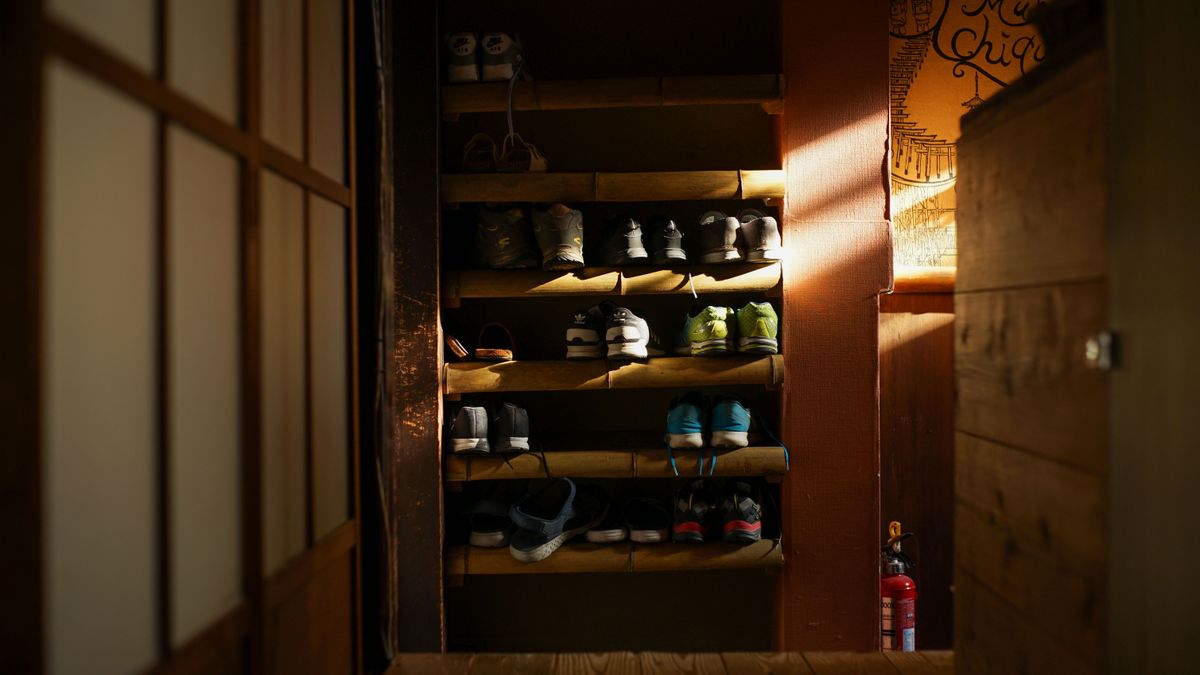
The best shoe racks for 2027
1. VASAGLE 5-tier metal mesh rack
Best for: families and mixed collections
A steel frame with four mesh shelves and a solid top, deep enough for adult shoes but only about 11 inches from the wall. Mesh shelves stop heels falling through, which is a common complaint with plain wire racks, and adjustable feet keep it level on uneven floors. It tops several recent entryway rack roundups.
- Good: slim, sturdy, mesh shelves suit all shoe types
- Less good: limited height between tiers for tall boots
2. SONGMICS bamboo shoe bench
Best for: narrow hallways and older or younger family members
A compact bamboo bench with two shelves underneath, rated to hold an adult sitting down. It is the pick reviewers most often name for small entryways because it combines seating and storage in a space under 28 inches wide.
- Good: seat plus storage, warm natural look, compact
- Less good: holds fewer pairs; bamboo should be kept dry
3. Kitsure stackable rack
Best for: renters and closet floors
A very inexpensive rack with fabric or metal shelves that assembles without tools and stacks with a second unit as your collection grows. Light enough to move for cleaning.
- Good: cheap, tool-free, expandable
- Less good: less rigid than welded steel; fabric shelves sag under heavy boots
4. KEETDY 3-tier long rack
Best for: boots and long closet walls
At around 43 inches wide with generous spacing between shelves, this low rack fits ankle and mid-calf boots that will not go on taller, tighter racks. A wire grid surface supports narrow heels.
- Good: room for boots, wide, stackable
- Less good: needs a long wall; open design shows clutter
5. VTRIN 10-tier tall rack
Best for: sneaker collections and shared households
A tall tower that stores dozens of pairs in a small floor area, with side hooks for bags or umbrellas. Fix it to the wall for stability, especially in homes with children.
- Good: very high capacity, small footprint
- Less good: should be anchored; assembly takes time
6. Simple Houseware 3-tier rack
Best for: a basic first rack
A plain metal three-shelf rack that goes together in minutes and fits inside most closets. It is a dependable starter if you own around a dozen pairs.
- Good: simple, affordable, easy to assemble
- Less good: bars rather than flat shelves; small shoes can tip
7. Whitmor over-the-door rack
Best for: bedrooms and apartments with no spare floor
Hangs on a standard door and holds up to 36 pairs on fold-up bars. It uses dead space and keeps shoes visible. Best for lighter shoes such as sneakers, flats and sandals.
- Good: uses no floor space, large capacity
- Less good: not for heavy boots; can rattle when the door moves
Related: Best Shoe Stretchers of 2027: 6 Tools for Tight Shoes
Which type of shoe rack do you need?
| Type | Good for | Watch out for |
|---|---|---|
| Open tiered rack | Everyday shoes, airflow, quick access | Looks cluttered; dust |
| Bench rack | Entryways, putting shoes on | Lower capacity |
| Tall tower | Large collections in small rooms | Must be anchored |
| Over-the-door | No floor space | Light shoes only |
| Cabinet or flip-drawer | Hiding shoes, tidy look | Less ventilation; damp shoes need airing first |
| Clear stackable boxes | Protecting sneakers and occasional shoes | Cost per pair; takes time to access |
How to choose
- Count pairs, then add a quarter. Collections grow, and crammed racks crush shoes.
- Measure the space, including door swing and skirting boards. Depth of 11 to 13 inches fits most adult shoes.
- Check shelf spacing. About 6 to 7 inches suits sneakers and flats; ankle boots need 9 inches or more. For tall pairs, see how to store boots.
- Prefer flat or mesh shelves over bars if you wear heels or have small children’s shoes.
- Let shoes dry first. Put wet pairs on a tray or use a boot dryer before shelving them, and never shut damp shoes in a cabinet.
- Keep them fresh. Cedar shoe trees and the products in our best shoe deodorizers control moisture and smell; clean off dirt first with the best shoe cleaners.
For long-term storage tips, read how to store shoes.
Frequently asked questions
What is the best way to store shoes at home?
On a ventilated rack, clean and dry, out of direct sunlight. Keep everyday pairs by the door and occasional pairs in a closet or clear boxes.
How many pairs does a shoe rack hold?
As a guide, a standard tier about 28 to 30 inches wide holds three to four adult pairs, so a five-tier rack takes roughly 15 to 24 pairs depending on shoe size.
Are shoe cabinets better than open racks?
Cabinets look tidier and keep dust off, but open racks ventilate better. If you use a cabinet, let shoes dry fully before closing them in.
Is it bad to stack shoes on top of each other?
Yes for long periods. Stacking creases uppers, crushes heel counters and transfers dirt. A rack or boxes keeps their shape.
Where should a shoe rack go?
Near the main entrance for daily pairs, away from radiators and direct sun. Garages work if they are dry; damp and heat damage glue and leather.