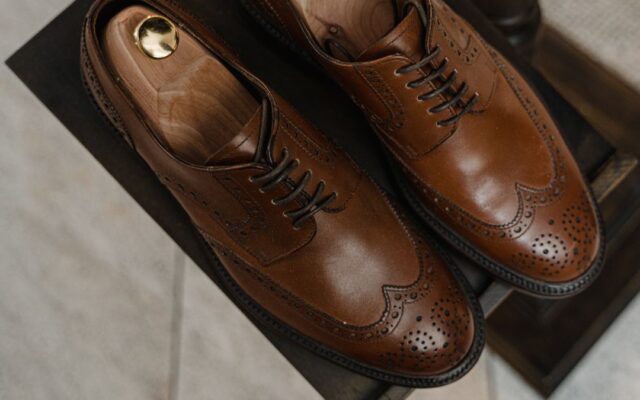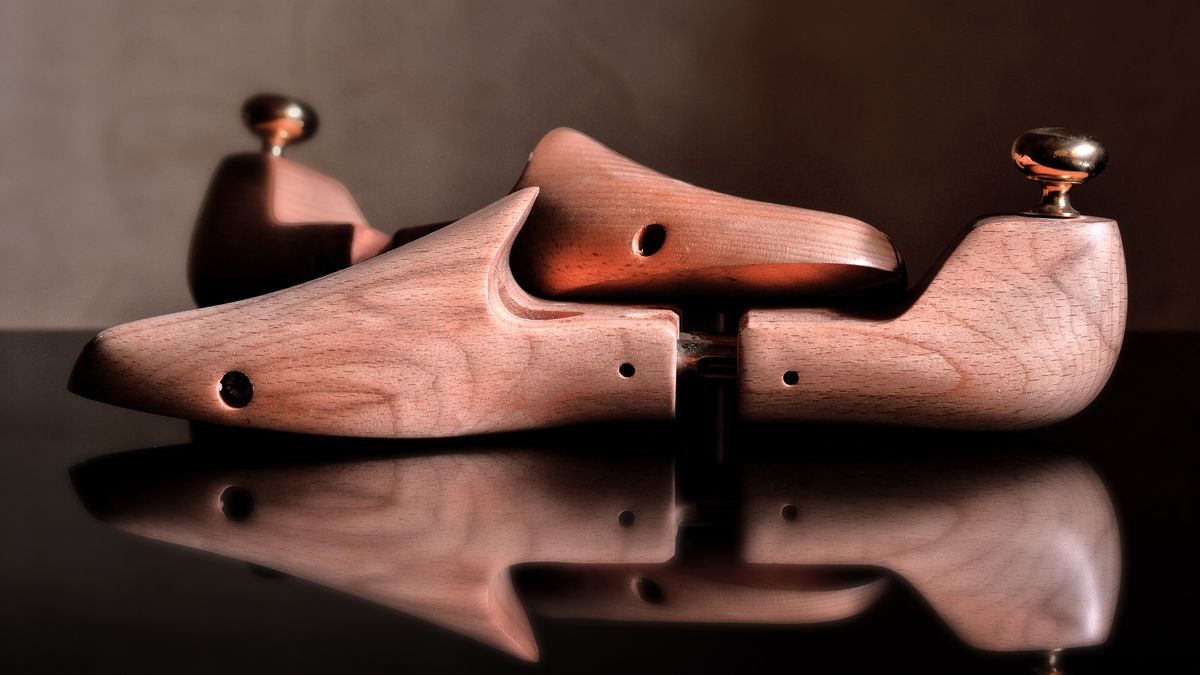
The best shoe trees are made of unfinished cedar, fill the front of the shoe fully and push gently against the heel. They absorb the moisture left by your feet, smooth out creases as the leather dries and keep shoes smelling fresh. For most people the Stratton or Houndsbay cedar trees offer the best balance of fit and price; Allen Edmonds Woodlore is the long-standing premium option, and light plastic trees are fine for travel and sneakers.
In this guide
Picks are based on published product information and independent reviews, not our own testing. Shoe trees are sold by size range, so check the chart against your shoe size.
Quick picks
| Shoe tree | Best for | Material |
|---|---|---|
| Stratton Cedar Shoe Tree | Best overall for dress shoes | Aromatic red cedar, full toe |
| Houndsbay Cedar Shoe Tree | Adjustable width | Cedar, split toe |
| Allen Edmonds Woodlore Combination | Premium fit | Cedar, split toe, full heel |
| Cedar Space Shoe Trees (2 pairs) | Value for several pairs | Cedar, adjustable |
| Cedar boot trees | Ankle and work boots | Cedar with taller heel piece |
| Plastic travel shoe trees | Travel and sneakers | Light plastic, spring loaded |
The 6 best shoe trees
1. Stratton Cedar Shoe Tree
Best for: everyday leather dress shoes
A spring-loaded tree made from American aromatic cedar with a solid, full-width toe piece that supports the whole vamp. Left and right are engraved, and a brass knob makes them easy to pull out.
- Good: fills the toe box well, strong cedar scent, sturdy
- Less good: full toe does not adjust for width; size down if between sizes
2. Houndsbay Cedar Shoe Tree
Best for: collections with different lasts and widths
A split-toe design that expands sideways as well as lengthways, so one pair adapts to both narrow and wide shoes. The contoured heel and hook make it simple to insert.
- Good: adjusts to width, good value, fits many shoe shapes
- Less good: split leaves a small gap in very wide toe boxes; finish can be rough
3. Allen Edmonds Woodlore Combination
Best for: welted dress shoes you plan to keep for years
The benchmark American cedar tree, with a split toe and a wide, rounded heel that spreads pressure instead of poking the back of the shoe.
- Good: excellent shape, full heel, long proven design
- Less good: costs more per pair; sizing is specific
4. Cedar Space Shoe Trees (2 pairs)
Best for: buying for several pairs at once
Sold in a two-pair pack with a split toe that adjusts in width and length. A sensible way to equip a small rotation of work shoes without spending much.
- Good: low cost per pair, adjustable, cedar
- Less good: runs large: check the size chart; less refined finish
5. Cedar boot trees
Best for: ankle boots, chukkas and work boots
Boot trees have a taller heel block or an extended shaft piece to stop the ankle collapsing and creasing. Use them in leather boots that stand six inches or more.
- Good: supports the ankle shaft, absorbs moisture in sweaty boots
- Less good: bulkier; not needed for low shoes
6. Plastic travel shoe trees
Best for: suitcases, sneakers and occasional use
Light, spring-loaded plastic forms hold the shape and reduce creasing but do not absorb moisture. They weigh almost nothing, which makes them the practical choice for trips.
- Good: very light, cheap, hold shape
- Less good: no moisture or odour control; less precise fit
Related: How to Hide Shoelaces: 5 Clean Ways to Lace Sneakers
How to choose shoe trees
- Material. Unvarnished cedar absorbs moisture and deodorises. Varnished wood and plastic only hold the shape.
- Toe style. A full toe supports the vamp best; a split toe adjusts to more widths.
- Heel. A wide, shaped heel is kinder to the shoe than a narrow knob, which can stretch the back.
- Size. The tree should fit snugly with light spring tension. If it has to be forced in, it is too big and can stretch the shoe.
- How many? Ideally one pair per pair of leather shoes; at minimum, move one pair into whichever shoes you wore that day for 24 hours.
How to use and care for them
- Insert the toe first, compress the spring and seat the heel.
- Leave them in for at least a day, and whenever shoes are stored.
- Lightly sand cedar once or twice a year to refresh the scent and absorbency.
- Do not use trees to dry soaked shoes next to a heater; see how to dry shoes.
Shoe trees are the easiest way to slow creasing; see how to uncrease shoes. They also help when you polish shoes, store shoes and restore old pairs. For the shoes themselves, see types of dress shoes and the best Chelsea boots.
Frequently asked questions
Are shoe trees really necessary?
For leather shoes you want to last, yes. They are the cheapest way to prevent deep creases, curling toes and lingering damp.
How long should shoe trees stay in?
At least 24 hours after wearing. Leaving them in during storage is fine.
Can you use shoe trees in sneakers?
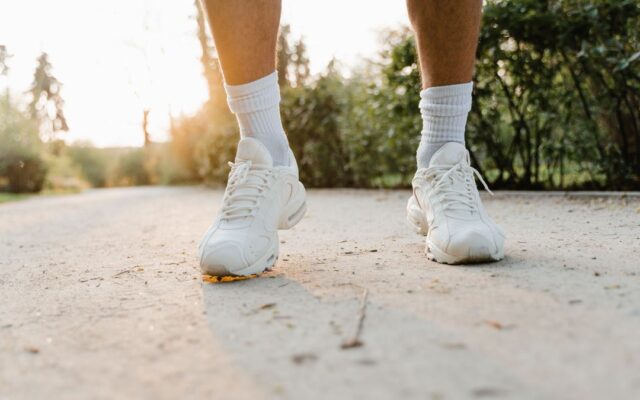
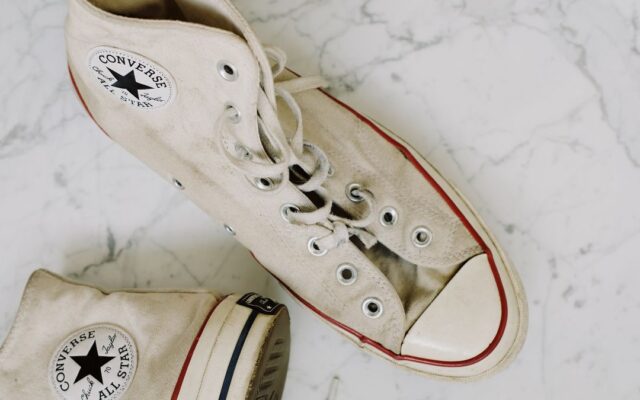
Yes. They help leather sneakers keep their shape. Plastic or split-toe cedar trees fit most trainers.
Do shoe trees stretch shoes?
Not if they are the right size. Shoe stretchers are a different tool designed to widen shoes.