“Best slippers for elderly to prevent falls” is one of the most important searches in footwear. Falls are a serious risk for older adults, and slippers are often part of the problem. Here is what health experts say and how to choose safer slippers.
In this guide
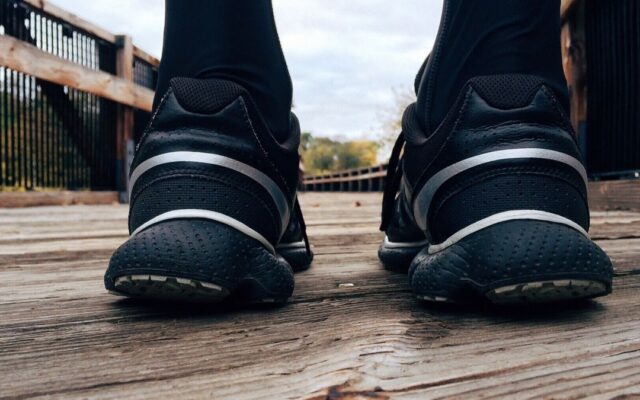
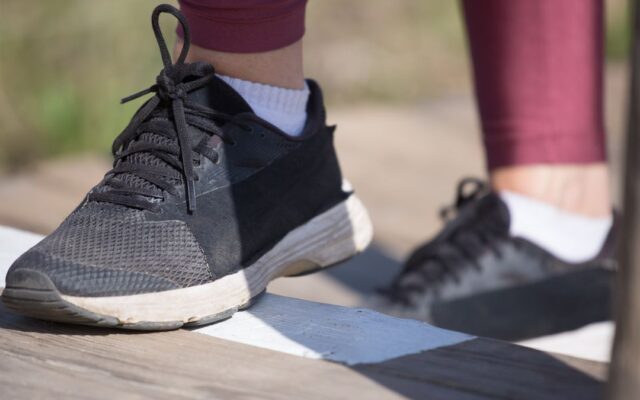
Short answer: Health experts advise against floppy slippers and smooth soles. If an older adult wears slippers, choose house shoes with a closed back, a firm non-skid rubber sole, a low heel and an adjustable strap. Supportive indoor shoes may be safer still.
Safer slipper features
| Gift | Best for | Why it works | Shop |
|---|---|---|---|
| Closed back | Everyone | Keeps the foot in place | Check price |
| Non-skid rubber sole | Hard floors | Grip on smooth floors | Check price |
| Velcro strap | Swollen feet | Adjustable, secure fit | Check price |
| Low, wide heel | Balance problems | More stable | Check price |
| Thin, firm sole | Balance | Better feel for the floor | Check price |
| Wide toe box | Bunions or swelling | Room without pressure | Check price |
What health experts say
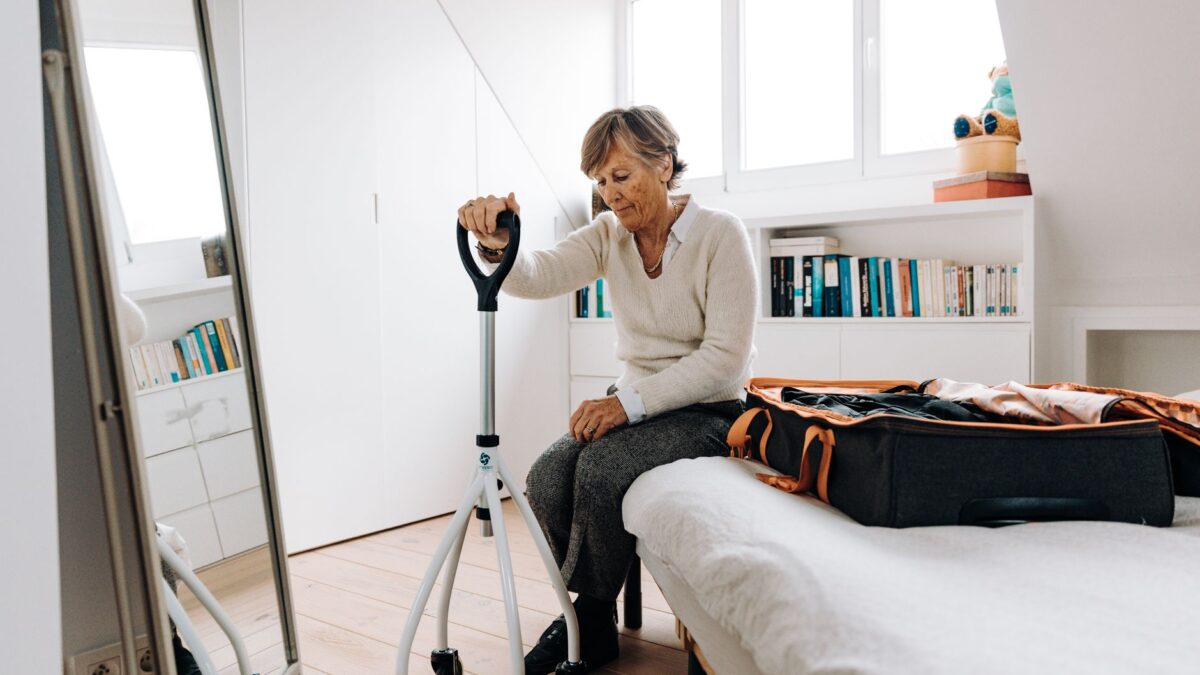
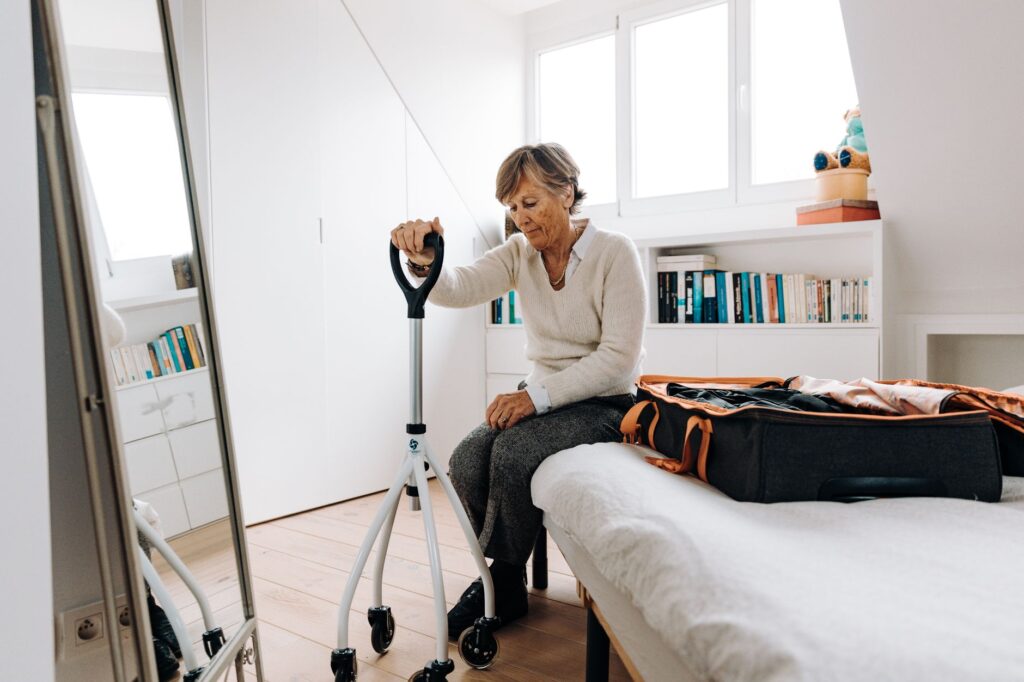
Mayo Clinic notes that roughly 1 in 4 adults over 65 reports falling each year and that falls are a leading cause of injury for older adults. It warns that floppy slippers and shoes with slick soles can cause slips, and suggests sturdy, flat shoes with nonskid soles.
Advice from the National Institute on Aging, shared on health.gov, says to wear shoes with non-slip soles even at home and not to walk barefoot or in smooth-soled slippers or socks.
What research found
In the MOBILIZE Boston study of mostly 70+ adults, 51.9% of people who fell at home were barefoot, in socks or in slippers at the time. The researchers suggested older adults wear shoes at home when possible.
Related: Xero Shoes vs Vivobarefoot 2027: Best Barefoot Brand?
Safer slippers to check on Amazon
Closed-back slippers with Velcro
Best for: Swollen feet and balance
Adjustable slippers that stay on.
- Good: Secure fit
- Less good: Less cozy look
Orthopedic house shoes
Best for: Foot pain
Supportive indoor shoes.
- Good: Stable
- Less good: Firmer
Non-slip grip socks
Best for: Bedtime
Socks with rubber grips.
- Good: Better than plain socks
- Less good: Not as safe as shoes
Other ways to reduce falls
- Remove loose rugs or tape them down
- Add night lights
- Use non-slip mats in the bathroom
- Ask a doctor to review medicines that cause dizziness
General information, not medical advice. If someone has fallen or has balance problems, talk to their doctor or a physical therapist. Gift picks are based on brand and retailer information and common buyer feedback. Prices change often, so check the current price before you buy. Links to Amazon are affiliate links, which support the site at no extra cost to you.
Related guides
Read the best shoes for seniors.
Read shoes for grandparents.
Read the best slippers.
Read neuropathy foot care.
Frequently asked questions
What slippers are best for elderly people?
Closed-back slippers with non-skid rubber soles and an adjustable strap.
Are slippers dangerous for seniors?
Floppy, smooth-soled slippers can raise fall risk. Experts advise sturdy shoes with non-skid soles.
Should seniors wear shoes indoors?
Health guidance suggests non-slip shoes even at home.
Are grip socks safe?
They are better than plain socks, but supportive shoes are safer.
What slippers help swollen feet?
Wide slippers with Velcro straps.