Peripheral neuropathy is damage to the nerves that carry signals to and from the feet and hands. In the feet it can cause numbness, tingling, burning pain and loss of balance. Treatment depends on the cause and is a matter for your doctor. What you can do yourself is protect your feet: check them every day, wear well-fitting protective shoes, and get any injury looked at early.
In this guide
This article is general information, not medical advice. If you have symptoms of neuropathy, see a doctor to find the cause. If you have diabetes, follow the foot care plan from your healthcare team.
Symptoms in the feet
- Numbness, or reduced ability to feel pain, heat or cold
- Tingling or “pins and needles”
- Burning, stabbing or electric-shock pain, often worse at night
- Extreme sensitivity to touch
- Weakness, unsteadiness or a feeling of walking on cotton wool
- Cuts, blisters or sores that you did not notice happening
Common causes
- Diabetes, the most common cause
- Vitamin B12 and other deficiencies
- Heavy alcohol use
- Some medicines, including certain chemotherapy drugs
- Kidney disease, thyroid problems and some infections and autoimmune conditions
- Nerve injury or compression
Sometimes no cause is found. Because some causes are treatable, getting a diagnosis matters.
What can be done?
| Approach | What it involves |
|---|---|
| Treat the cause | For example, managing blood sugar, correcting a deficiency or reviewing medication, as advised by your doctor |
| Manage symptoms | Your doctor may suggest medicines for nerve pain, physiotherapy or other treatments |
| Protect your feet | Daily checks, careful hygiene and suitable footwear to prevent unnoticed injuries |
| Stay active | Regular gentle exercise, such as walking, cycling or swimming, as your doctor advises |
Related: Best Shoes for Nurses in 2027: 7 Picks for Long Shifts
Daily foot care
- Look at your feet every day, including the soles and between the toes. Use a mirror or ask someone to help. Look for cuts, blisters, redness, swelling or changes in colour.
- Wash daily in lukewarm water. Test the temperature with your elbow or a thermometer, not your foot.
- Dry carefully, especially between the toes.
- Moisturise the tops and soles to prevent cracks, but not between the toes.
- Cut nails straight across and file the edges, or have a podiatrist do it.
- Do not walk barefoot, even indoors.
- Avoid hot water bottles, heat pads and very hot baths on numb feet.
- Do not treat corns or calluses yourself with blades or medicated pads.
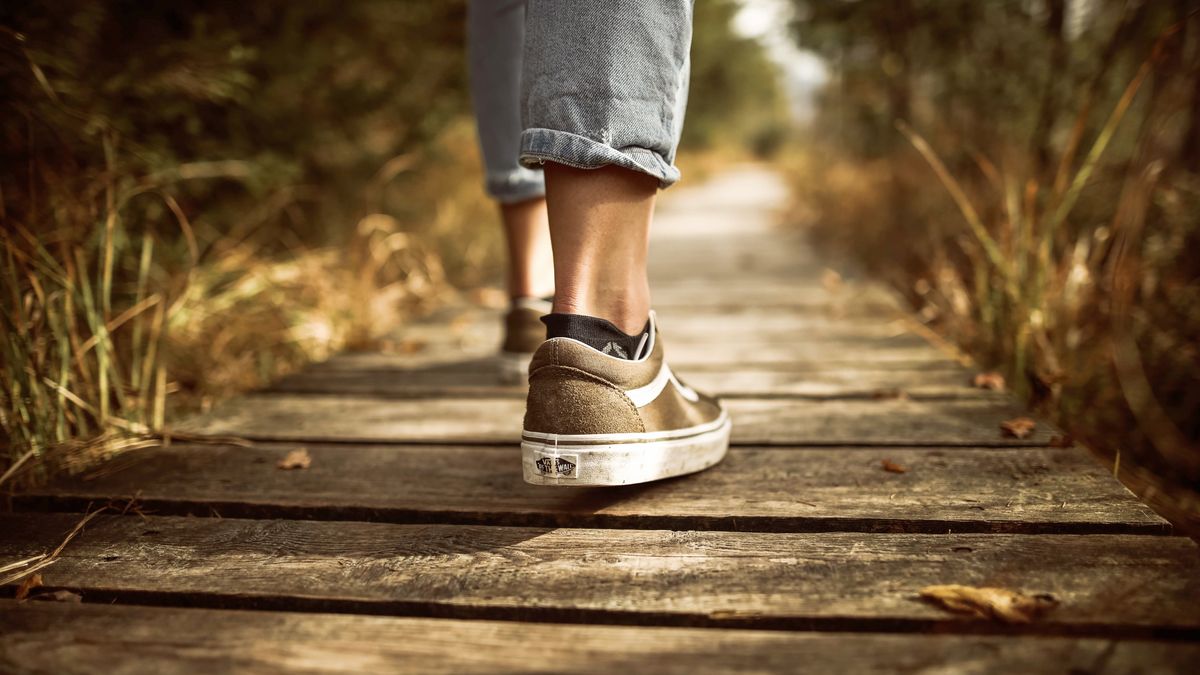
What to look for in shoes
- Correct size and width, measured regularly. Numb feet cannot tell you a shoe is too tight. See how to measure your shoe size and shoe widths explained.
- A wide, deep toe box with no pressure on the toes.
- Soft, seamless linings that will not rub.
- Cushioned soles to absorb shock, and a firm heel for stability.
- Laces or straps so the fit can be adjusted through the day.
- Closed toes and heels to protect against knocks.
- Low heels. Avoid high heels, pointed toes and flip flops.
People with diabetes or foot deformities may be advised to wear therapeutic footwear or custom insoles; ask your healthcare team.
Good habits with shoes and socks
- Check inside your shoes with your hand before putting them on, for stones, rough seams or worn linings.
- Break new shoes in slowly, an hour or two at a time, and check your feet afterwards. See how to break in new shoes.
- Wear clean, dry, seamless socks without tight elastic. Change them daily.
- Keep feet dry; see how to dry shoes if they get wet.
- Replace shoes when the cushioning or lining wears out.
When to get medical help
- Any cut, blister or sore that is not healing within a day or two
- Redness, warmth, swelling or discharge
- A change in the colour or shape of your foot
- New or worsening numbness, pain or weakness
- Loss of balance or falls
With diabetes, contact your healthcare team promptly about any foot wound.
Frequently asked questions
Can neuropathy in the feet be reversed?
It depends on the cause. Some causes can be treated and symptoms may improve. In many cases the aim is to stop it getting worse and manage symptoms. Your doctor can advise.
Is walking good for neuropathy?
Regular gentle activity is generally encouraged, in protective, well-fitting shoes. Check with your doctor first, and inspect your feet afterwards.
What shoes are best for neuropathy?
Well-fitting shoes with a wide, deep toe box, cushioned soles, soft seamless linings and adjustable fastenings.
Why should I not walk barefoot?
If you cannot feel your feet properly, you may not notice a cut, burn or splinter, and small injuries can become serious.