To treat cracked heels, soak your feet in lukewarm water for about 10 minutes, gently file away thick skin with a pumice stone or foot file, and apply a thick heel balm twice a day, ideally one containing urea. Putting cotton socks on over the balm at night helps it work. Most mild cases improve within one to two weeks, and regular moisturising stops them coming back.
In this guide
This article is general information, not medical advice. If you have diabetes, poor circulation or deep, bleeding cracks, see a doctor or podiatrist instead of treating them yourself.
Why heels crack
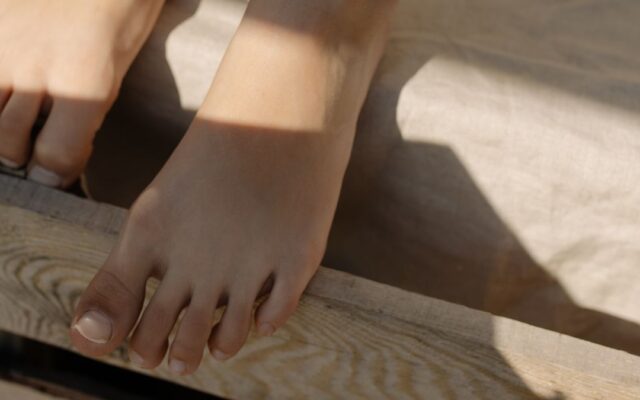
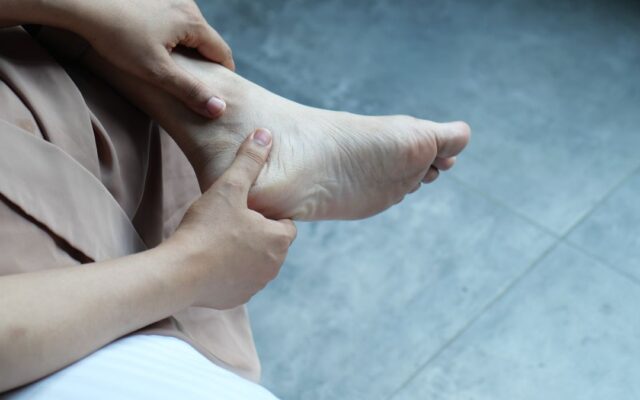
The skin on the heel is thick and has few oil glands. When it becomes dry and hard, it loses flexibility. As the fat pad under the heel spreads sideways under your weight, the stiff skin around the edge splits. These splits are called heel fissures.
| Cause | How it contributes |
|---|---|
| Dry skin | The main cause; worse in cold, dry weather and with hot showers and harsh soaps |
| Open-backed shoes, sandals, walking barefoot | The heel pad spreads with nothing to hold it, and the skin dries out |
| Standing for long hours on hard floors | Constant pressure on the heels |
| Thick callus | Hard skin cracks more easily |
| Excess weight | More pressure on the heel pad |
| Skin and medical conditions | Eczema, psoriasis, athlete’s foot, diabetes and an underactive thyroid can all cause dry, cracked skin |
Home treatment: step by step
- Soak your feet in lukewarm, soapy water for 10 minutes. Avoid hot water, which dries the skin further.
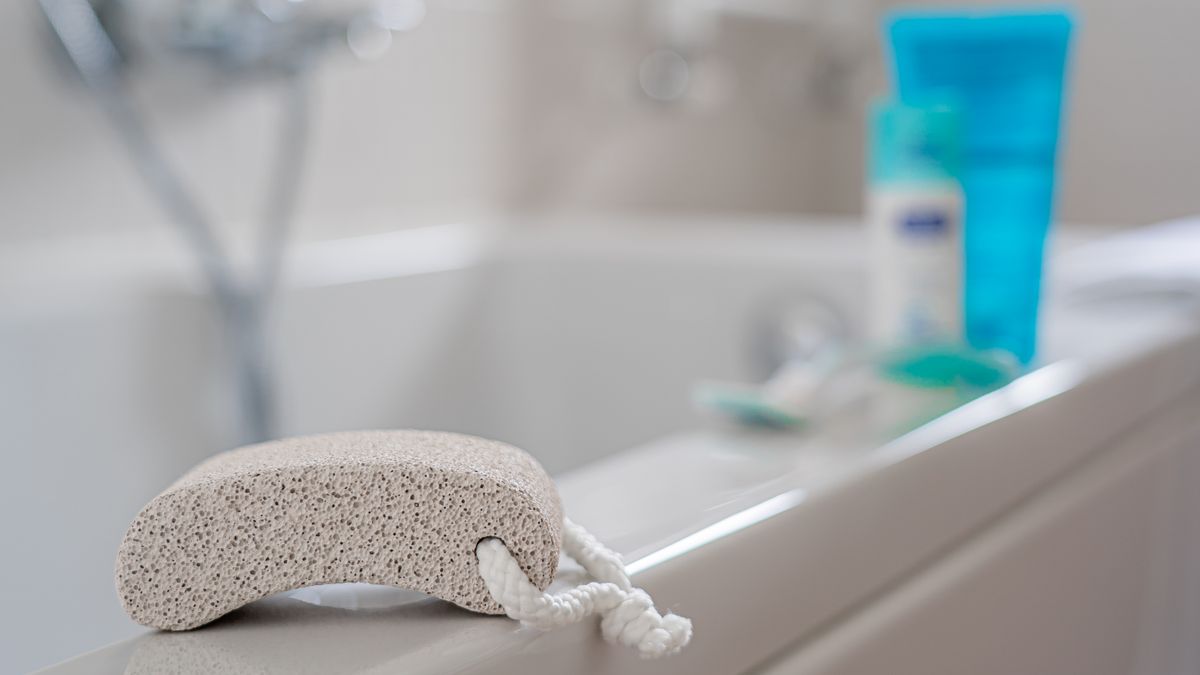
- File gently. Use a pumice stone or foot file on the softened hard skin, in one direction, with light pressure. Stop before the skin feels tender. Do not use razors or blades.
- Dry thoroughly, including between the toes.
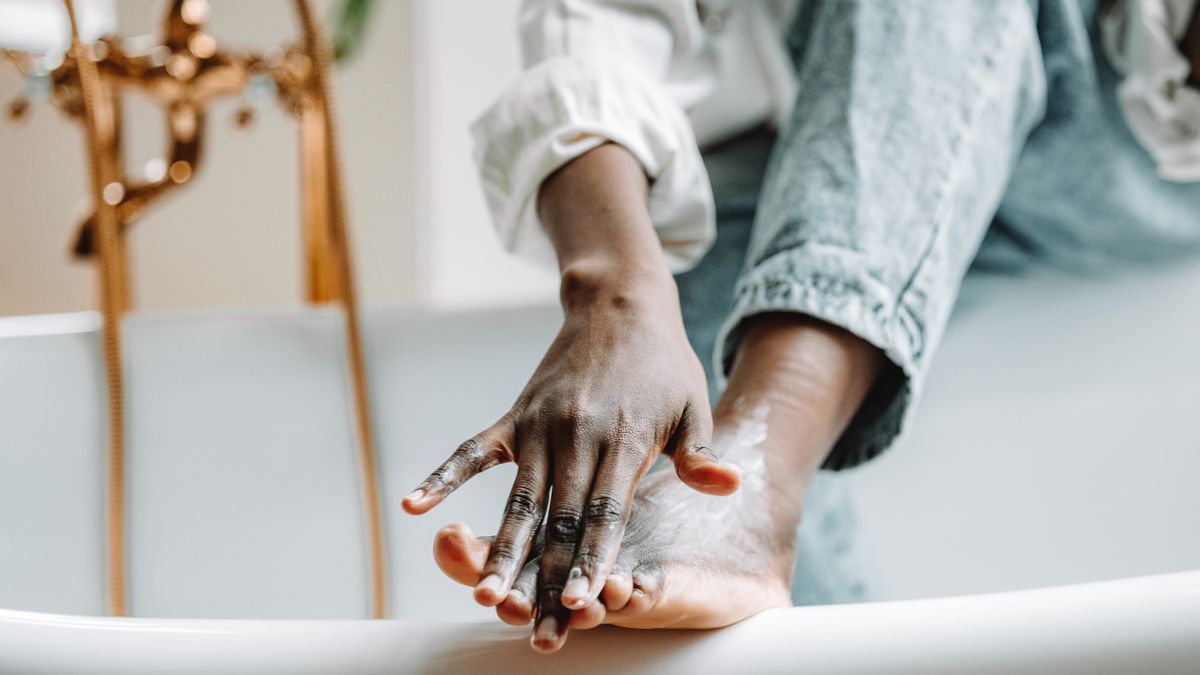
- Apply a heel balm. Look for a thick cream containing urea (often 10 to 25 percent), salicylic acid, lactic acid or glycerin. These soften hard skin and hold in moisture.
- Seal it in at night. Add a thin layer of petroleum jelly over the balm and wear cotton socks to bed.
- Repeat daily, moisturising morning and night, and filing two or three times a week.
For deeper cracks
- Keep them clean and covered while they heal.
- Liquid or gel skin bandages sold for heel cracks can hold the edges together and reduce pain when walking.
- If cracks bleed, are very painful, or show redness, swelling, warmth or discharge, see a doctor or podiatrist. They can safely remove hard skin and treat infection.
Related: Best Insoles for Standing All Day in 2026: 6 Picks
What to avoid
- Cutting or shaving callus yourself. It is easy to go too deep and cause infection.
- Filing dry skin aggressively or every day.
- Hot baths, strong soaps and alcohol-based products on your feet.
- Going barefoot or wearing open-backed shoes while the cracks are healing.
Can cracked heels be fixed permanently?
There is no one-off cure, because the skin on your heels keeps drying and thickening. With a simple routine, though, most people keep their heels smooth indefinitely:
- Moisturise your feet every day, straight after washing.
- File lightly once or twice a week.
- Wear closed-heel shoes that fit and cushion the heel. Check the fit with our shoe size guide.
- Wear socks made from cotton, wool or moisture-wicking blends.
- Drink enough fluids and use a humidifier in very dry rooms if dry skin is a general problem.
- Treat athlete’s foot or other skin conditions that may be contributing.
Footwear tips
- Choose shoes with a firm heel cup that holds the heel pad together.
- Cushioned insoles or heel cups reduce pressure if you stand all day.
- Limit flip flops and backless sandals. If you wear sandals often, clean and moisturise your heels daily; see how to clean sandals and flip flops.
- Keep slippers clean; see how to wash slippers.
When to see a doctor or podiatrist
- You have diabetes, nerve damage or poor circulation. See foot care with neuropathy.
- Cracks are deep, bleeding or infected.
- There is no improvement after two weeks of daily care.
- The skin is also red, itchy or scaly, which may point to a skin condition or fungal infection.
Heel pain rather than dry skin? See the best shoes for plantar fasciitis.
Frequently asked questions
What is the fastest way to heal cracked heels?
Soak, gently file, apply a urea-based heel balm and wear socks overnight, every day. Mild cracks usually improve within a week or two.
Is petroleum jelly good for cracked heels?
Yes, as a sealing layer over a moisturiser at night. It locks moisture in but does not soften hard skin as well as urea creams.
Are cracked heels a sign of a deficiency?
Usually not. Dry skin and pressure are the common causes. Persistent cases can be linked to skin or medical conditions, which a doctor can check.
Should I peel or cut the dead skin?
No. Peeling and cutting can cause deeper splits and infection. Soften and file gently instead.