Shoes that tend to feel best with plantar fasciitis have a firm heel counter, good arch support, cushioning under the heel, a moderate heel-to-toe drop and a sole that does not bend through the middle. The ASICS Gel-Kayano 33 and Brooks Adrenaline GTS 25 combine those features well. The Hoka Bondi 9 offers the most cushioning, and the Vionic Walker Classic and Brooks Addiction Walker 2 are sturdy leather walking shoes.
In this guide
This article is general information, not medical advice. Shoes can ease strain on the foot but do not cure plantar fasciitis. See a doctor or podiatrist if heel pain lasts more than a few weeks. Picks are based on published specifications and independent reviews, not our own testing.
Quick picks
| Shoe | Best for | Type |
|---|---|---|
| ASICS Gel-Kayano 33 | Support plus plush cushioning | Stability trainer |
| Brooks Adrenaline GTS 25 | Everyday walking and running | Stability trainer, 12 mm drop |
| Hoka Bondi 9 | Maximum shock absorption | Neutral, rocker sole |
| Saucony Ride 19 | Neutral feet, running | Neutral daily trainer |
| New Balance 990v6 | Casual wear | Stable lifestyle trainer |
| Vionic Walker Classic | Built-in orthotic footbed | Leather walking shoe |
| Brooks Addiction Walker 2 | Work and maximum support | Motion-control walking shoe |
The 7 best shoes for plantar fasciitis
1. ASICS Gel-Kayano 33
Best for: people who want stability and soft cushioning together
The Kayano’s broad, supportive midsole limits how far the arch drops with each step, while thick foam and heel gel soften the landing. A moderate drop keeps some load off the heel and Achilles.
- Good: supportive and cushioned, durable
- Less good: expensive; heavy
2. Brooks Adrenaline GTS 25
Best for: all-round daily use
A firm heel counter, side rails that steady the foot and a higher heel-to-toe drop than most trainers, which many people with heel pain find more comfortable. It comes in four widths.
- Good: stable heel, high drop, many widths
- Less good: modest bounce; not light
3. Hoka Bondi 9
Best for: sore heels on hard floors
Very thick cushioning absorbs impact at the heel, and the rocker sole rolls the foot forward so the plantar fascia stretches less at toe-off. The wide base keeps it steady.
- Good: best shock absorption here, rocker sole, wide fits
- Less good: lower drop does not suit everyone; bulky
4. Saucony Ride 19
Best for: runners with neutral feet
A well-cushioned neutral trainer with a secure heel and a smooth ride. A sensible choice if stability shoes feel intrusive but you still want protection under the heel.
- Good: comfortable, versatile, supportive heel
- Less good: no added arch support; firmer than max-cushion shoes
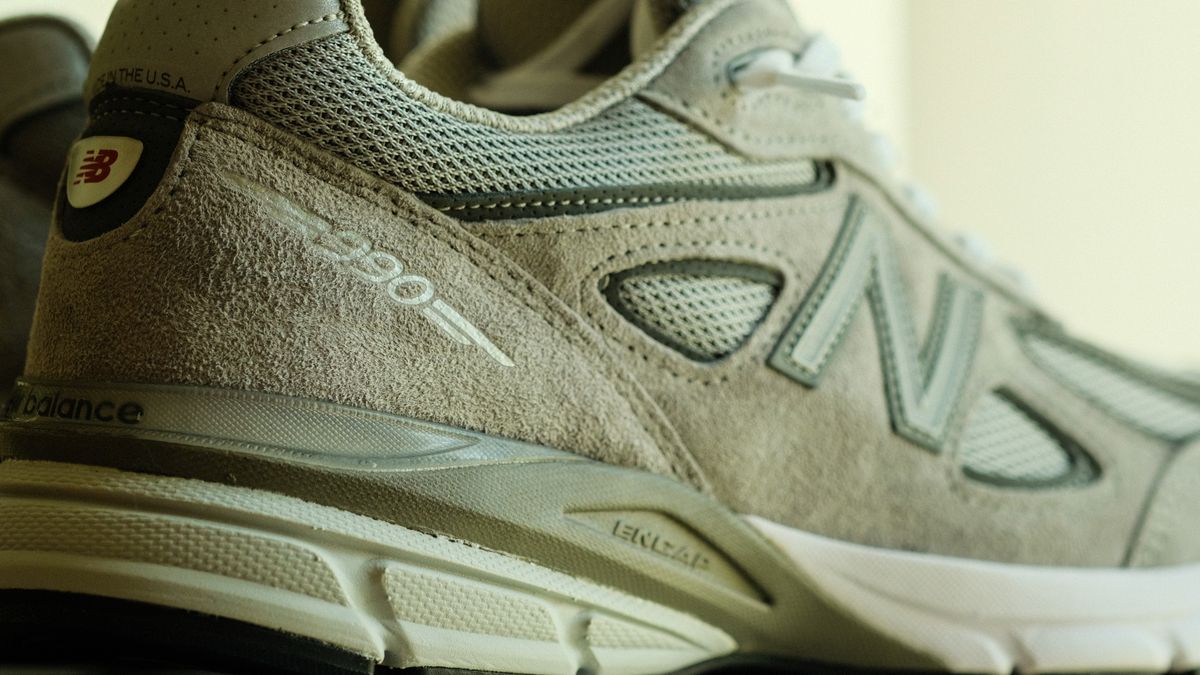
5. New Balance 990v6
Best for: a casual shoe that still supports
The classic grey “dad shoe” has a stable base, a firm heel and plenty of cushioning in a style that works with jeans. It is made in several widths.
- Good: stable, comfortable all day, widths
- Less good: expensive; heavier than running shoes
6. Vionic Walker Classic
Best for: walkers who want arch support built in
Vionic builds a contoured footbed with a deep heel cup and pronounced arch into the shoe. The leather upper is water resistant and the firm midsole resists twisting.
- Good: strong built-in arch support, sturdy leather
- Less good: firm; the arch can feel high at first; plain styling
7. Brooks Addiction Walker 2
Best for: work shoes and heavy overpronation
A motion-control walking shoe with a leather upper and slip-resistant sole. The removable insole leaves room for custom orthotics.
- Good: very supportive, orthotic friendly, work appropriate
- Less good: heavy and stiff
Related: What Are Golf Shoes? Spiked vs Spikeless Explained
What to look for
- Firm heel counter. The back of the shoe should not collapse when squeezed.
- Arch support. From the shoe itself or an added insole; see the best insoles for standing all day.
- Moderate heel drop (about 8 to 12 mm) or a rocker sole, both of which reduce pull on the heel.
- Torsional stiffness. The shoe should bend at the ball of the foot, not in the middle.
- Fresh cushioning. Replace worn-out shoes; flat midsoles are a common trigger.
- Avoid completely flat, thin-soled shoes and going barefoot on hard floors while the heel is sore.
Other things that help
- Calf and plantar fascia stretches, especially before your first steps in the morning
- Rolling the sole of the foot over a ball or a frozen water bottle
- Reducing long periods of standing where possible; see walking on concrete all day
- Supportive footwear at home instead of bare feet
Related guides: best shoes for flat feet, best shoes for standing all day and how to manage flat feet.
On your feet for 12-hour shifts? See the best shoes for nurses.
Frequently asked questions
What kind of shoes are best for plantar fasciitis?
Supportive shoes with a firm heel, arch support, heel cushioning and a moderate drop or rocker sole.
Are Hokas good for plantar fasciitis?
Many people find the thick cushioning and rocker sole comfortable. Others prefer a higher-drop, firmer stability shoe. Try both if you can.
Are flat shoes bad for plantar fasciitis?
Thin, flat shoes with no support often make symptoms worse because the heel and arch take more strain.
How long does plantar fasciitis take to heal?
It often improves over several months with stretching, supportive footwear and rest. See a professional if it is not improving.