Flat feet that cause no pain usually need no treatment at all. If your feet, ankles or legs ache, the things most likely to help are supportive shoes, arch supports, and exercises that strengthen the foot and stretch the calves. These manage symptoms and can improve how the foot works; they do not usually rebuild an arch in an adult foot.
In this guide
This article is general information, not medical advice. See a podiatrist or doctor for persistent pain or a foot that has recently changed shape.
What are flat feet?
A flat foot has a low arch or none, so most or all of the sole touches the ground when you stand. It is common and often inherited. All babies have flat feet, and arches usually develop during childhood. Some adults’ arches lower over time, known as fallen arches.
| Type | What it means |
|---|---|
| Flexible flat foot | An arch appears when you sit or stand on tiptoe and flattens when you stand. The most common type, often painless |
| Rigid flat foot | No arch whether or not you are bearing weight. Less common; should be assessed |
| Adult-acquired flat foot | An arch that drops in adulthood, often on one side, usually from a weakened tendon. Needs medical attention |
Do you have flat feet? A simple check
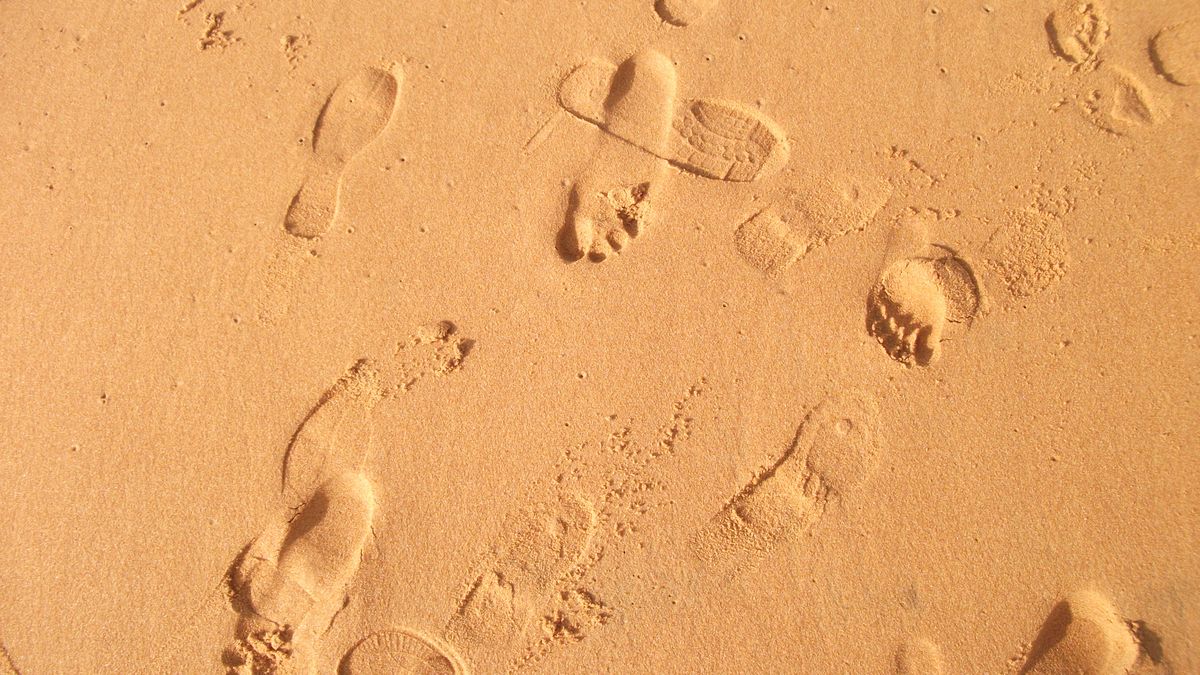
- Wet the sole of your foot and stand on cardboard or dark paper.
- If the print shows almost the whole sole with little or no inward curve, your arch is low.
- Rise onto your toes in front of a mirror. If an arch appears, the flat foot is flexible.
Symptoms that flat feet can cause
- Aching in the arch or heel, especially after standing or walking
- Tired feet
- Ankles that roll inward, and wear on the inner edge of shoes
- Pain along the inner ankle or shin
- Sometimes knee, hip or lower back discomfort
The inward roll is called overpronation; see what pronation is.
Related: Walking on Concrete All Day: Shoes and Foot Pain Tips
What helps flat feet
1. Supportive shoes
- A firm heel counter and a sole that does not twist easily
- Good arch support and a wide enough base
- Stability running shoes for runners who overpronate and find them comfortable
- Avoid very flat, flimsy shoes for long days on your feet
2. Arch supports and insoles
Over-the-counter arch supports often relieve aching. If they do not, a podiatrist can assess whether custom orthotics are worth trying. Supports ease symptoms while you wear them; they do not permanently change the arch.
3. Strengthening and stretching
- Short foot exercise: sitting or standing, draw the ball of your foot toward your heel without curling your toes, lifting the arch. Hold five seconds; repeat 10 times.
- Heel raises: rise onto your toes and lower slowly, two to three sets of 10 to 15.
- Towel curls: scrunch a towel toward you with your toes.
- Arch lifts while standing: roll your weight to the outer edges of your feet and lift the arches, keeping toes down.
- Calf stretches: tight calves pull the foot flatter. Hold 30 seconds, two or three times a day.
Do them most days for several weeks before judging the effect.
4. Other measures
- Keeping to a healthy weight reduces load on the arches.
- Rest and ice help during a flare-up.
- Physiotherapy is useful if pain persists.
When to see a podiatrist or doctor
- Pain that limits your activity or does not improve with supportive shoes
- A foot that has become flatter recently, particularly one foot only
- Stiff, rigid flat feet
- Swelling along the inside of the ankle
- Flat feet in a child that are painful or stiff
- Any foot problem if you have diabetes
Surgery is uncommon and is considered only when other treatment has not worked or there is a structural problem.
Getting the fit right
Low-arched feet are often wider than average. Measure both length and width; see how to measure your shoe size and shoe widths explained. For running shoes, see how running shoes should fit.
On your feet at work? Our standing-all-day shoe picks include a stability option for low arches.
For specific models, see the best shoes for flat feet in 2026.
Frequently asked questions
Can flat feet be corrected?
In adults, exercises and supports improve comfort and function but rarely create a new arch. Surgery can change foot structure in selected cases.
Are flat feet bad?
Not in themselves. Many people with flat feet have no symptoms and are active without problems.
Do arch supports weaken your feet?
There is no strong evidence that they do. Combining supports with strengthening exercises is a sensible approach.
Is barefoot walking good for flat feet?
Some barefoot time on safe surfaces can help strengthen foot muscles. If it causes pain, wear supportive shoes instead.