Cushioned running shoes, also called neutral shoes, absorb impact and let the foot move naturally, while stability shoes add firmer foam, guide rails or a wider base on the inner side to limit excessive inward roll (overpronation). Most runners do well in neutral shoes. Stability shoes are worth trying if your arches collapse noticeably, your shoes wear heavily on the inner edge, or a neutral shoe feels wobbly or leaves your arches and shins aching.
In this guide
Cushioned vs stability at a glance
| Feature | Cushioned (neutral) | Stability |
|---|---|---|
| Main purpose | Shock absorption and comfort | Cushioning plus control of inward roll |
| Midsole | Uniform foam | Firmer inner section, side walls or support frame |
| Base shape | Standard | Often wider and straighter |
| Weight | Usually lighter | Slightly heavier |
| Flexibility | More flexible | A little stiffer through the arch |
| Feel | Soft, free | Guided, planted |
| Typical runner | Neutral gait, medium to high arches, supinators | Mild to moderate overpronation, low or flexible arches |
| Price | Similar | Similar, sometimes slightly higher |
Note that “cushioned” describes softness and “stability” describes support, so they are not opposites: every stability shoe is cushioned, and some max-cushion neutral shoes are quite stable because of their wide platforms.
What is a cushioned (neutral) running shoe?
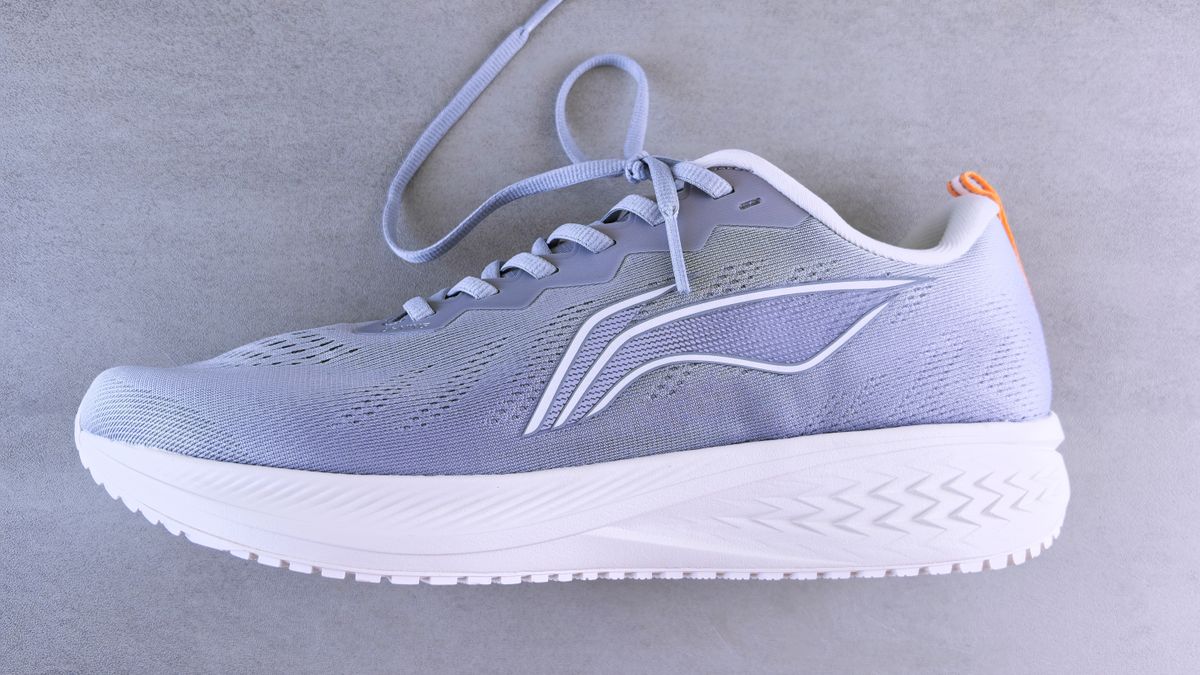
A neutral shoe has the same foam density from the inner to the outer side and no corrective parts. Its job is to soften landing and get out of the way. Within the category you can choose light, moderate or maximum cushioning. Neutral shoes suit runners whose feet roll inward a normal amount, those who roll outward (supination), and anyone using custom orthotics that already provide support.
What is a stability running shoe?
Stability shoes are built to slow and limit the inward roll of the foot after landing. Older designs used a hard wedge of dense foam under the arch (a medial post). Current designs are gentler: raised foam rails on both sides of the heel, a broader base, a firmer frame around softer foam, or a shaped sole that steers the foot. Motion control shoes are the most supportive version, for severe overpronation or heavier runners.
If the terms are new, start with what is pronation?
Related: Running Shoes vs Walking Shoes: What Is the Difference?
How to tell which you need
| Check | Points to neutral | Points to stability |
|---|---|---|
| Wet footprint test | Clear curve along the inside; narrow or medium band | Almost the whole sole shows |
| Wear on old running shoes | Centre of the heel and forefoot, or outer edge | Inner edge of the heel and under the big toe |
| Shoes on a table, viewed from behind | Sit upright | Lean inward |
| Standing arch | Visible when you stand | Flattens to the floor |
| Aches after running | None, or outer-side discomfort | Inner shin, inner knee or arch fatigue |
| How each type feels | Stability shoes feel hard or intrusive under the arch | Neutral shoes feel unstable or sloppy |
A gait analysis at a running shop or with a physiotherapist is useful if you are unsure, but treat it as a guide, not a prescription.
What the research says
For years runners were assigned shoes strictly by arch type. Larger studies have since questioned that: matching shoes to foot shape alone has not clearly reduced injuries, and many mild overpronators run comfortably in neutral shoes. Some trials do suggest stability shoes can lower injury risk for runners with pronated feet. The practical conclusion most experts draw is to use comfort as your main filter and choose the shoe that feels natural and steady on your own foot. This is general information, not medical advice.
Which should you choose?
- New runner, no pain, normal arches: neutral, moderate cushioning. See best running shoes for beginners.
- Flat or very flexible arches, inner-edge wear: try stability. Options are in best shoes for flat feet, and exercises in how to fix flat feet.
- High arches or outward roll: neutral with plenty of cushioning; avoid stability features.
- Heavier runners: a wide-based max-cushion neutral shoe or a stability shoe; see best shoes for heavy walkers.
- Using custom orthotics: usually neutral, so the shoe and the orthotic do not double up. More in how to choose insoles.
- Happy in what you wear now: do not switch categories without a reason.
Whichever type you pick, fit comes first: check how running shoes should fit and the full process in how to choose running shoes. For brand differences within each type, see HOKA vs Brooks.
Frequently asked questions
Can I wear stability shoes if I do not overpronate?
You can, and modern guide-rail designs are fairly unobtrusive, but if they feel firm or push into your arch, a neutral shoe will be more comfortable.
Do I need stability shoes for flat feet?
Not automatically. Flat feet that are pain-free and stable can do fine in neutral shoes. Stability helps when the arch collapses a lot or you get related aches.
Are stability shoes less cushioned?
No. Many have as much cushioning as neutral trainers; they simply add support features.
What is the difference between stability and motion control shoes?
Motion control shoes are the firmest, straightest and most supportive type, intended for severe overpronation or heavier runners. Stability shoes are a lighter, more flexible middle ground.
Can neutral shoes cause injuries if I overpronate?
Pronation alone is a weak predictor of injury. If you are comfortable and pain-free in neutral shoes, there is no need to change.