To choose insoles, work out three things: your arch type (low, medium or high), what you need the insole to do (cushion, support or both) and how much room your shoes have. Low arches usually suit a semi-rigid, medium-height arch support; high arches need a higher, cushioned arch; and thin dress shoes need low-volume insoles. A good insole feels supportive but not intrusive within a week or two. If it hurts, it is the wrong shape for your foot.
In this guide
This article is general information, not medical advice. For ongoing foot pain, or if you have diabetes or reduced feeling in your feet, see a podiatrist before using orthotic insoles.
Insole types at a glance
| Type | What it does | Best for |
|---|---|---|
| Comfort or cushioning (gel, foam) | Adds softness and shock absorption | Tired feet, hard floors, thin factory footbeds |
| Arch-support (semi-rigid) | Supports the arch and steadies the heel | Flat feet, overpronation, long days standing |
| Rigid orthotic-style | Controls foot motion firmly | Specific problems, usually on professional advice |
| Sport insoles | Support plus impact absorption, moisture control | Running, hiking, court sports |
| Heat-mouldable | Shapes to your foot when warmed | Hard-to-fit feet, ski and hiking boots |
| 3/4 length and heel cups | Targeted support in tight shoes | Dress shoes, heel pain |
| Custom orthotics | Made from a scan or cast of your foot | Persistent or complex conditions |
Step 1: Find your arch type
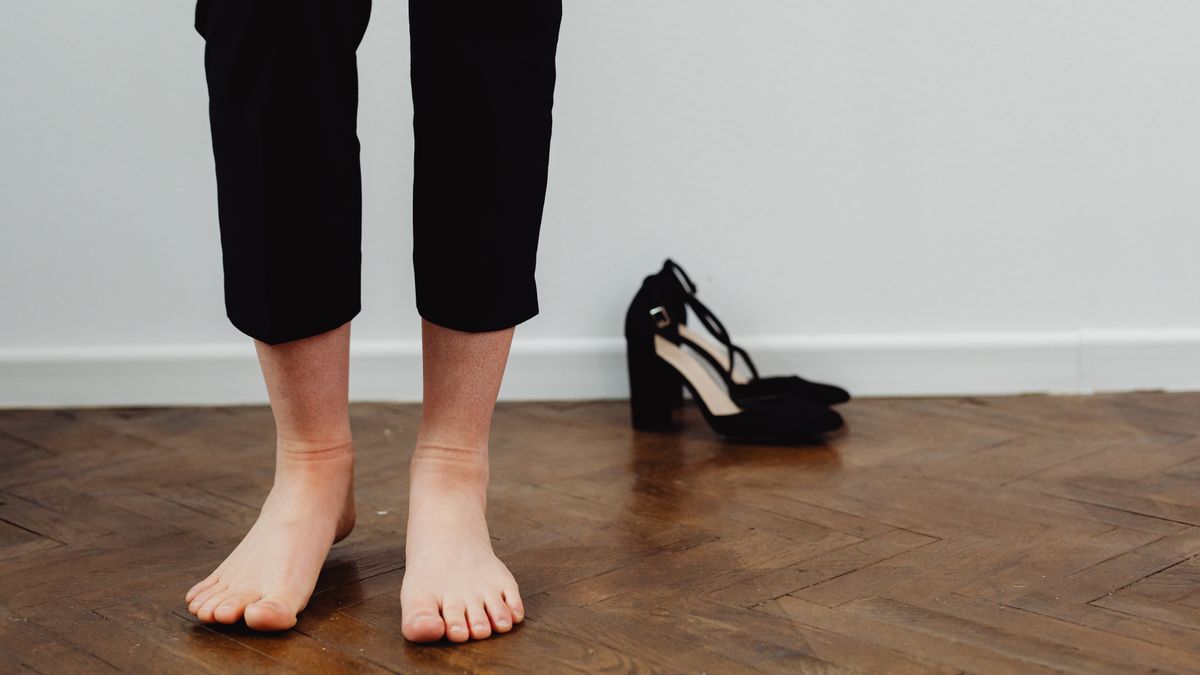
Try the wet test: wet the sole of your foot, step onto a piece of cardboard or dark paper and look at the print.
| Footprint | Arch type | Insole to look for |
|---|---|---|
| Almost the whole foot shows, little inward curve | Low arch or flat foot | Medium-height, semi-rigid support with a deep heel cup |
| A clear curve, about half the midfoot showing | Medium arch | Moderate support with cushioning |
| Only a thin band or no connection between heel and forefoot | High arch | High arch contour with extra cushioning |
Read more in how to manage flat feet and what pronation is.
Step 2: Decide what you need
- Sore, tired feet at the end of the day: start with a cushioned insole that also has some arch shape.
- Arches that ache or ankles that roll in: a semi-rigid arch support.
- Heel pain: a deep heel cup with heel cushioning; see the best shoes for plantar fasciitis.
- Pain under the ball of the foot: an insole with a metatarsal pad; see what metatarsalgia is.
- Shoes slightly too big: a full-length insole takes up volume; see how to make shoes smaller.
Step 3: Match the insole to your shoes
| Shoe | Insole volume |
|---|---|
| Work boots, hiking boots, roomy trainers | High volume: thick, cushioned |
| Running and walking shoes | Medium volume |
| Dress shoes, flats, football boots, cycling shoes | Low volume: thin or 3/4 length |
Always remove the original insole first if it comes out. Two insoles stacked make the shoe too tight.
Related: How to Get Rid of Shin Splints: Relief and Prevention
Step 4: Fit and trim
- Take out the factory insole and use it as a template.
- Line up the heels and trace around the toe on the new insole.
- Trim a little at a time with sharp scissors, at the toe end only.
- Slide it in so it lies flat with no curling at the edges.
- Stand, then walk. The arch should meet your arch without a hard pressure point, and your heel should sit in the cup.
Step 5: Break them in
- Wear new supportive insoles for one to two hours on day one, adding an hour or so each day.
- Mild awareness of the arch is normal in the first week; sharp or worsening pain is not.
- If they still feel wrong after two weeks, try a different arch height or a softer model.
How long do insoles last?
Most last six to twelve months of daily wear, or roughly 300 to 500 miles of running. Replace them when the foam stays flat, the top cover wears through or old aches return. Keep them clean and dry: see how to clean insoles.
When to see a professional
- Pain that lasts more than a few weeks despite supportive shoes and insoles
- Numbness, tingling or burning in the feet
- One foot that has changed shape or flattened recently
- Diabetes, circulation problems or a history of foot ulcers
For specific products, see the best insoles for standing all day. Insoles work best in suitable footwear: the best shoes for flat feet, the best shoes for standing all day and how to choose work boots.
Frequently asked questions
Do I need insoles if my feet do not hurt?
No. If your shoes are comfortable and supportive, extra insoles are optional.
Are expensive insoles better?
Not always. Fit to your arch matters more than price. Many people do well with a mid-priced, semi-rigid insole.
Should insoles feel hard?
Supportive insoles feel firmer than cushioned ones. They should not cause pain; a firm arch that matches your foot becomes comfortable quickly.
Can I move insoles between shoes?
Yes, if the shoes are a similar shape and volume. Check that the insole lies flat in each pair.