
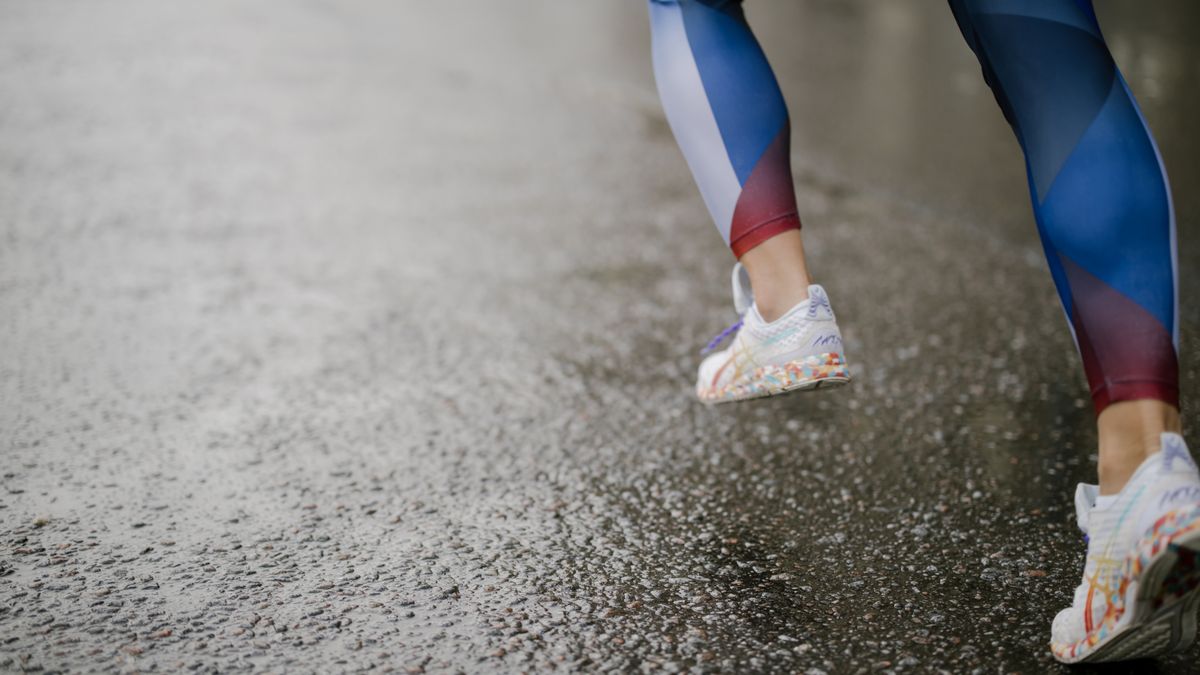
The best shoes for flat feet are stability shoes: they have a firm heel counter, a supportive midsole that resists the foot rolling inward, and a straight, wide base. The Brooks Adrenaline GTS 25 is the most commonly recommended all-rounder. The ASICS Gel-Kayano adds more cushioning, the Hoka Arahi 9 is lighter, and the Brooks Addiction Walker 2 gives the firmest control for walking and work.
In this guide
Not every flat foot needs correcting. Many people with low arches have no pain and can wear whatever feels comfortable. This guide is general information, not medical advice; see a podiatrist for pain, or if one foot has recently flattened. Picks are based on published specifications and independent reviews, not our own testing.
Quick picks
| Shoe | Best for | Support level |
|---|---|---|
| Brooks Adrenaline GTS 25 | Best overall | Moderate |
| ASICS Gel-Kayano | Cushioning with stability | Moderate to high |
| Hoka Arahi 9 | Light weight | Moderate |
| Saucony Guide 19 | Mild support, smooth ride | Mild to moderate |
| Saucony Hurricane 25 | Maximum cushioning | Moderate |
| Topo Ultrafly 6 | Wide, flat feet | Mild to moderate |
| Brooks Addiction Walker 2 | Firm control for walking and work | High (motion control) |
Related: Neuropathy in the Feet: Foot Care and Footwear Tips
The 7 best shoes for flat feet
1. Brooks Adrenaline GTS 25
Best for: most people with flat feet, for running, walking or work
Brooks uses raised “GuideRails” along both sides of the heel to keep the foot centred instead of a hard wedge under the arch. That makes the support feel natural, and the shoe comes in four widths.
- Good: balanced support and cushioning, many widths
- Less good: heavier than neutral shoes; moderate energy return
2. ASICS Gel-Kayano
Best for: people who want a softer landing with their support
ASICS’s long-running premium stability shoe. Recent versions use a wide, sculpted midsole that supports the arch as it starts to collapse, with thick foam and heel gel for shock absorption.
- Good: very cushioned, stable, durable
- Less good: expensive; heavy; may not be enough for severe overpronation
3. Hoka Arahi 9
Best for: those who find stability shoes clunky
The Arahi supports the foot with a firmer frame of foam around the heel and inner side rather than a post, keeping weight down while still feeling planted. It has Hoka’s rocker sole for a smooth roll.
- Good: light for a stability shoe, smooth, wide fits available
- Less good: firmer feel than other Hokas; narrow-ish toe box in standard width
4. Saucony Guide 19
Best for: flexible flat feet that need only gentle guidance
The Guide relies on a broad base and raised sidewalls for stability, so it feels close to a neutral trainer. A good choice if stronger stability shoes have felt intrusive.
- Good: unobtrusive support, comfortable upper
- Less good: midsole runs a little firm; not for severe overpronation
5. Saucony Hurricane 25
Best for: heavier walkers and runners who want maximum cushioning
A max-cushion stability shoe with a very thick two-layer midsole and a wide platform. It suits long, easy miles and all-day wear.
- Good: plush and stable, protective
- Less good: bulky; expensive; runs warm
6. Topo Ultrafly 6
Best for: wide forefeet
Topo shoes have a foot-shaped toe box with a secure midfoot. The Ultrafly adds mild stability, which works well for flat feet that are also broad across the toes.
- Good: roomy toe box, stable, low drop
- Less good: stiff through the midfoot; harder to find in shops
7. Brooks Addiction Walker 2
Best for: very flat feet, heavy overpronation and work use
A motion-control walking shoe with a strong support bar along the inner side, a leather upper and a slip-resistant sole. It has room for orthotics and comes in several widths.
- Good: firmest support here, orthotic friendly, work appropriate
- Less good: heavy and stiff; plain looks
How to choose shoes for flat feet
- Match the support to your foot. Flexible arches that flatten only when you stand usually need mild to moderate stability. Rigid, very flat feet often do better with motion control or orthotics.
- Check the heel counter. Squeeze the back of the shoe; it should be firm.
- Do the twist test. A supportive shoe resists twisting through the middle and bends only at the ball of the foot.
- Look for a removable insole if you use orthotics; see the best insoles for standing all day.
- Get the width right. Flat feet often spread; see shoe widths explained.
Learn more in how to manage flat feet and what pronation is. For other needs, see the best walking shoes and the best shoes for standing all day.
Heel pain as well? See the best shoes for plantar fasciitis.
Frequently asked questions
Do flat feet need arch support?
Only if they cause discomfort. Painless flat feet often need nothing special. If your feet, shins or knees ache, a stability shoe or supportive insole is worth trying.
Are stability shoes or neutral shoes better for flat feet?
Stability shoes suit most people whose arches collapse inward. Some people with flat feet are comfortable in stable neutral shoes with a wide base.
Are Hokas good for flat feet?
The stability models, such as the Arahi and Gaviota, are designed for it. The softest neutral models may feel unstable for some.
Can shoes fix flat feet?
No. Shoes support the foot and can reduce discomfort, but they do not change its structure.