Shin splints usually settle with a period of relative rest from running, ice for pain relief, and a gradual return once walking and hopping are pain-free. Strengthening the calves, building mileage slowly and wearing shoes that are not worn out help stop them coming back. Sharp, pinpoint shin pain needs a medical check, because it can be a stress fracture.
In this guide
This article is general information, not medical advice. See a doctor or physiotherapist for a diagnosis and a plan that suits you.
What are shin splints?
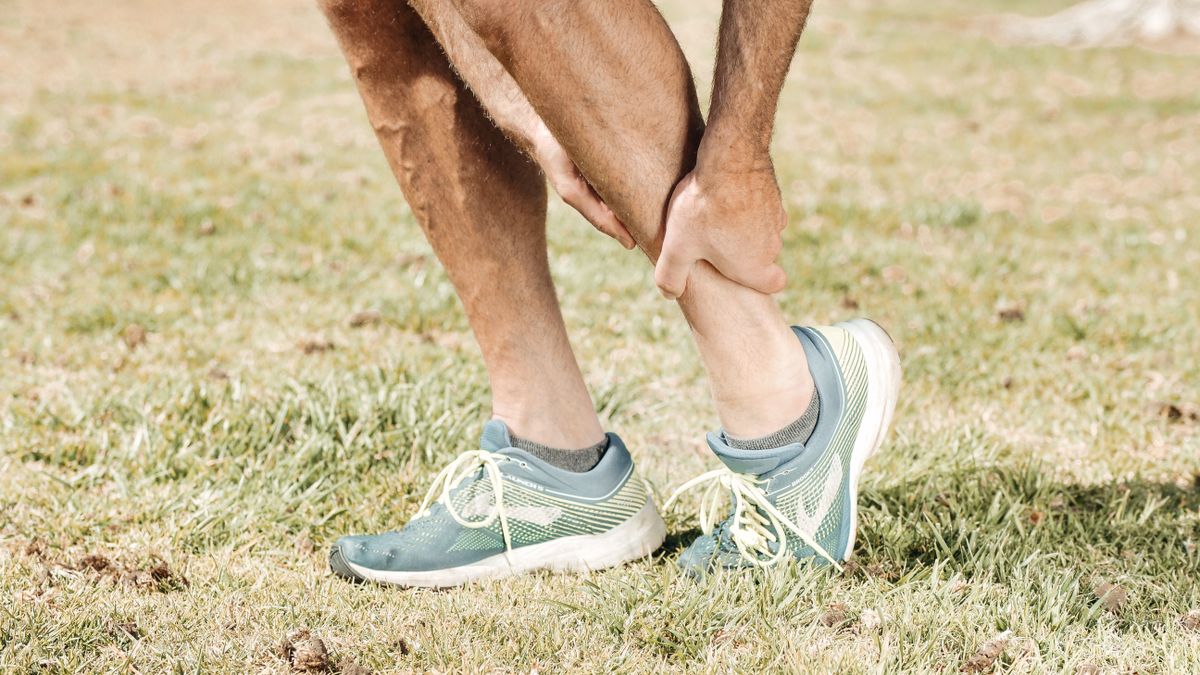
“Shin splints” is the common name for medial tibial stress syndrome: pain along the inner edge of the shinbone caused by repeated stress on the bone and the tissue attached to it. It typically feels like a dull ache spread over several centimetres of the lower shin. It often appears at the start of a run, may ease as you warm up, and returns afterwards.
Common causes
- Increasing distance, speed or frequency too quickly
- A sudden switch to harder surfaces or lots of downhill running
- Worn-out or unsuitable shoes
- Weak or tight calf muscles
- Returning to running after a long break at your old volume
- Foot mechanics, such as very flat or very high arches, in some people
What to do: step by step
- Reduce the load. Stop or cut back running for one to two weeks, or until daily walking is pain-free. Complete bed rest is not needed.
- Keep fit with low-impact exercise such as cycling, swimming or pool running, as long as it does not hurt.
- Use ice for pain. Apply a cold pack wrapped in a cloth for 10 to 15 minutes at a time, a few times a day.
- Ask a pharmacist or doctor about pain relief if you need it.
- Start gentle strengthening once it is comfortable (see below).
- Return gradually. When you can walk briskly and hop on the affected leg without pain, begin with short, easy runs on a soft, flat surface every other day, at around half your previous distance, and build up over several weeks.

Related: How to Break In Climbing Shoes Without the Pain
Exercises that help
- Calf raises: rise onto your toes and lower slowly, two to three sets of 10 to 15. Progress to single-leg raises.
- Bent-knee calf raises to strengthen the deeper soleus muscle.
- Toe raises: with heels on the floor, lift your toes toward your shins to work the muscles at the front.
- Calf stretches: straight knee and bent knee, 30 seconds each, after exercise.
- Hip and glute strengthening such as bridges and side-lying leg lifts, which improve control of the whole leg.
Stop any exercise that increases your shin pain.
How long do shin splints take to heal?
Mild cases often improve within two to four weeks of reduced load. More stubborn cases can take two to three months. Returning too early or too fast is the usual reason they come back.
When to see a doctor
- Pain focused on one small spot that hurts to press
- Pain at rest or at night
- Swelling, redness or warmth
- Pain that is not improving after two to three weeks of rest
- Numbness, tingling or tightness in the lower leg during exercise
These can indicate a stress fracture or another condition that needs different treatment.
How to prevent shin splints
| Do | Why |
|---|---|
| Increase weekly distance gradually | Bone and tendon adapt more slowly than fitness |
| Keep rest days between runs when starting out | Recovery is when tissue strengthens; see how often you should run |
| Replace worn shoes | Cushioning and support fade with mileage |
| Wear shoes that fit and feel comfortable | See how running shoes should fit |
| Strengthen calves and hips twice a week | Stronger muscles take load off the shin |
| Vary surfaces and avoid sudden hill or speed blocks | Reduces repetitive stress |
Foot type may play a part for some runners. Our explainer on pronation covers neutral and stability shoes; a physiotherapist or podiatrist can advise whether insoles are worth trying.
Foot shape can play a part in shin pain. See how to manage flat feet.
If low arches are part of the problem, see the best shoes for flat feet.
Frequently asked questions
Can I run with shin splints?
It is best to cut back until walking is pain-free. Running through the pain usually prolongs recovery and can lead to a stress fracture.
Do shin splints go away on their own?
Usually, with reduced running load and time. They tend to return if you go back to the same training that caused them.
Do compression sleeves help?
Some runners find them comfortable, but evidence that they treat shin splints is limited. They do not replace rest and strengthening.
Are shin splints the same as a stress fracture?
No. Shin splints cause a diffuse ache along the shin. A stress fracture causes sharper pain in one small spot and needs medical assessment.