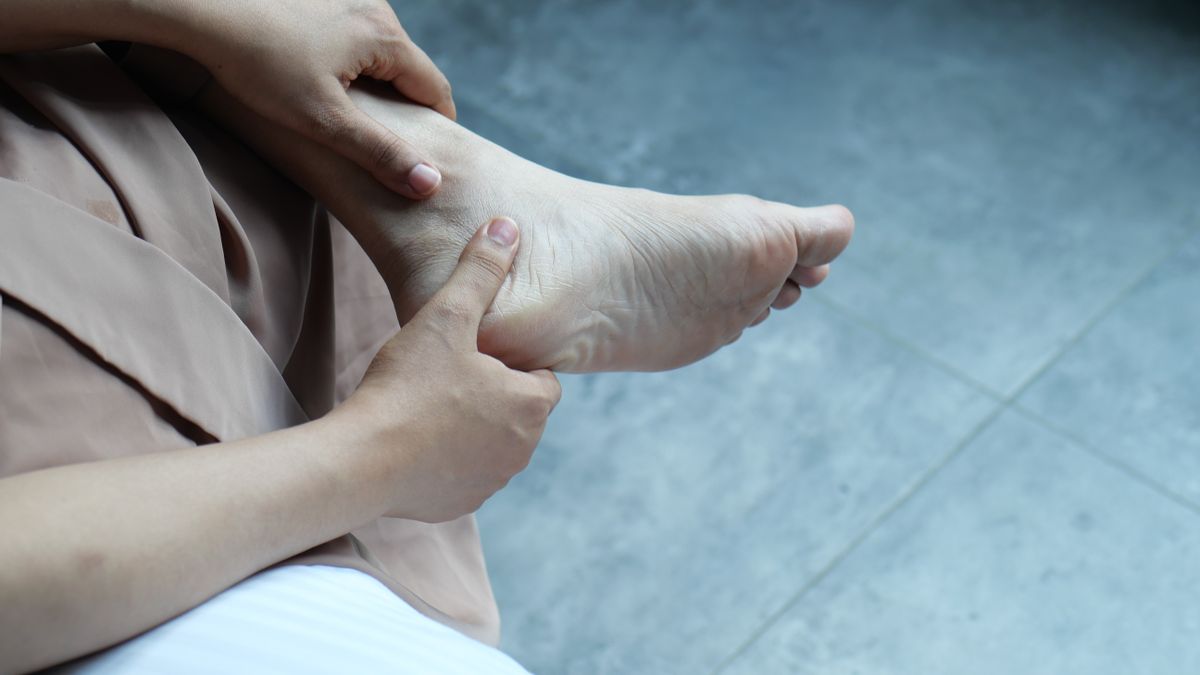
Metatarsalgia is pain in the ball of the foot, the padded area just behind the toes. It is a description of a symptom, not a single disease: the area becomes sore and inflamed because it is taking more pressure than it can comfortably handle. It usually improves with rest, cushioned shoes that have room for the toes, and padding that takes load off the sore spot.
In this guide
This article is general information, not medical advice. See a doctor or podiatrist if the pain is severe, came on suddenly, or lasts more than a couple of weeks.
What does it feel like?
- A sharp, aching or burning pain under the ball of the foot, often behind the second, third or fourth toe
- Pain that is worse when you stand, walk, run or rise onto your toes, and eases when you rest
- The feeling of walking on a pebble or a bunched-up sock
- Sometimes tingling or numbness in the toes
- More pain barefoot on hard floors
Common causes
| Cause | Why it matters |
|---|---|
| High heels | Shift body weight onto the forefoot |
| Tight or narrow shoes | Squeeze the metatarsal bones together |
| Worn-out or thin-soled shoes | Too little cushioning under the forefoot |
| High-impact sport, or a sudden increase in training | Repeated load on the ball of the foot |
| Foot shape | High arches, a long second toe, hammer toes or bunions change how weight is spread |
| Excess body weight | More force through the forefoot with each step |
| Thinning of the natural fat pad with age | Less built-in cushioning |
Similar pain can come from other conditions, including Morton’s neuroma (a thickened nerve between the toes), a stress fracture, arthritis or gout, which is one reason persistent pain should be assessed.
What helps
Rest and reduce the load
- Cut back on running, jumping and long periods of standing for a week or two.
- Switch to low-impact exercise such as cycling or swimming.
- Apply ice wrapped in a cloth for 10 to 15 minutes after activity.
Change your footwear
- Low heels. Avoid high heels until the pain has settled.
- A wide, deep toe box so the forefoot can spread. Check your width with shoe widths explained.
- Good forefoot cushioning and a sole that is not paper-thin.
- A stiff or rocker-shaped sole can reduce bending and pressure at the ball of the foot.
- Replace worn-out shoes, especially running shoes with flattened midsoles.

Use pads and insoles
- Metatarsal pads are small domes placed just behind the ball of the foot, not directly under the sore spot. They lift and spread the metatarsal bones and shift pressure away from the painful area. Positioning matters, so follow the instructions or ask a podiatrist.
- Cushioned insoles add shock absorption.
- Arch supports can help if high or low arches are part of the problem; see how to manage flat feet.
Other measures
- Stretch your calves and Achilles tendons daily; tight calves increase forefoot pressure.
- Ask a pharmacist or doctor about suitable pain relief.
- Losing excess weight reduces load on the feet.
Related: Best Shoes for Standing All Day in 2026: 7 Top Picks
How long does it take to get better?
With rest and better footwear, mild metatarsalgia often improves within a few weeks. Long-standing cases, or those linked to foot shape, can take a few months and may need custom insoles or physiotherapy.
When to see a doctor
- Pain that has not improved after two weeks of self-care
- Sudden, severe pain, or pain after an injury
- Swelling, redness or warmth
- Numbness, tingling or burning between the toes
- Any foot pain if you have diabetes
Prevention
- Wear shoes that fit, with cushioning suited to the activity. See how running shoes should fit.
- Keep high heels for short occasions, and choose lower, wider heels; see how to make heels more comfortable.
- Increase training gradually; see how often you should run.
- Look after related problems such as bunions.
Hard floors make forefoot pain worse; see walking on concrete all day.
Cushioned, supportive inserts can help; see the best insoles for standing all day.
Frequently asked questions
Does metatarsalgia go away?
Usually, yes, once the cause of the extra pressure is addressed with rest, suitable shoes and padding.
Is walking good for metatarsalgia?
Gentle walking in cushioned shoes is generally fine. Cut back if it increases the pain, and avoid walking barefoot on hard floors.
Where do metatarsal pads go?
Just behind the ball of the foot, toward the heel, so they lift the bones behind the painful spot instead of pressing on it.
What is the difference between metatarsalgia and Morton’s neuroma?
Metatarsalgia is general pain under the ball of the foot. Morton’s neuroma involves a nerve between two toes and often causes burning, tingling or numbness in those toes.