The most effective ways to make heels more comfortable are to get the size right, choose a thicker and lower heel, add ball-of-foot cushions, and break the shoes in at home before a long event. Padding and tape help, but the shape of the shoe makes the biggest difference.
In this guide
- Why heels hurt
- Which heels are most comfortable?
- 1. Buy the right size
- 2. Choose a stable heel
- 3. Add ball-of-foot cushions
- 4. Use heel grips or liners
- 5. Break them in at home
- 6. Rough up slippery soles
- 7. Protect hot spots before they blister
- 8. Take breaks and bring a backup
- 9. Look after your feet afterwards
- What about taping your toes?
- When to see a professional
- Frequently asked questions
Why heels hurt
A raised heel shifts your body weight forward onto the ball of the foot. The higher the heel, the greater the load on the forefoot and toes. A narrow, pointed toe box then squeezes the toes together, and a thin stiletto gives the ankle less to balance on. Comfort comes from reducing those three things: forefoot pressure, toe squeeze and instability.
Which heels are most comfortable?
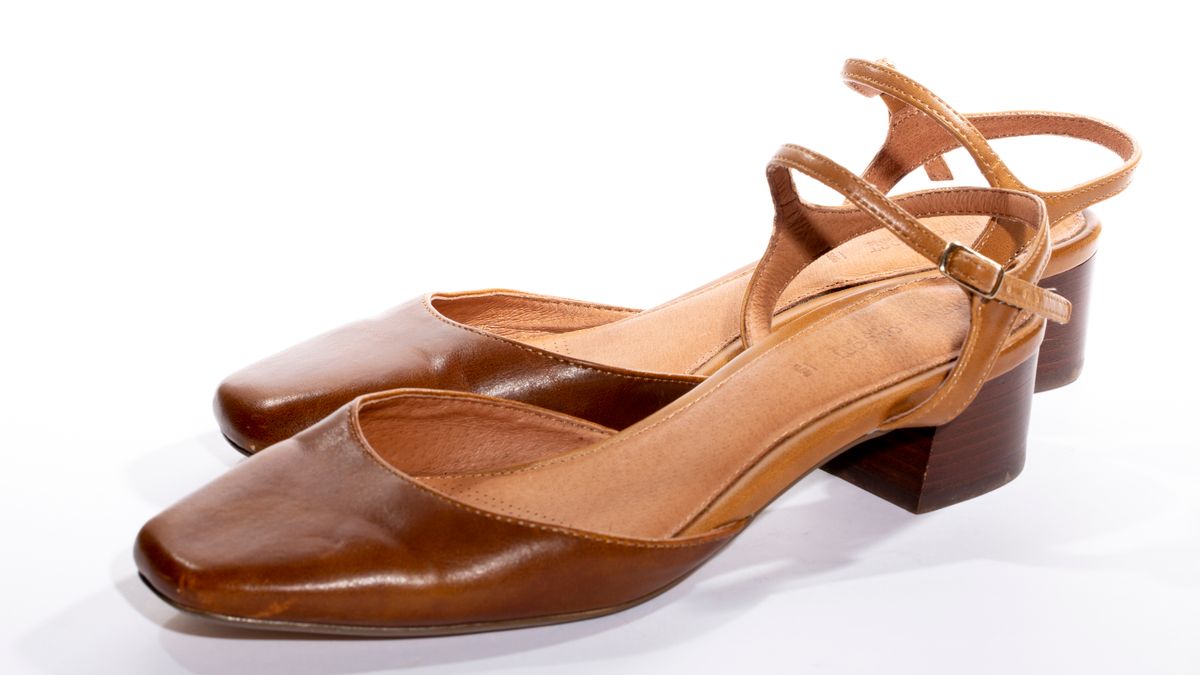
| Feature | More comfortable | Less comfortable |
|---|---|---|
| Heel height | Up to about 5 to 7 cm (2 to 3 inches) | Over 9 cm (3.5 inches) |
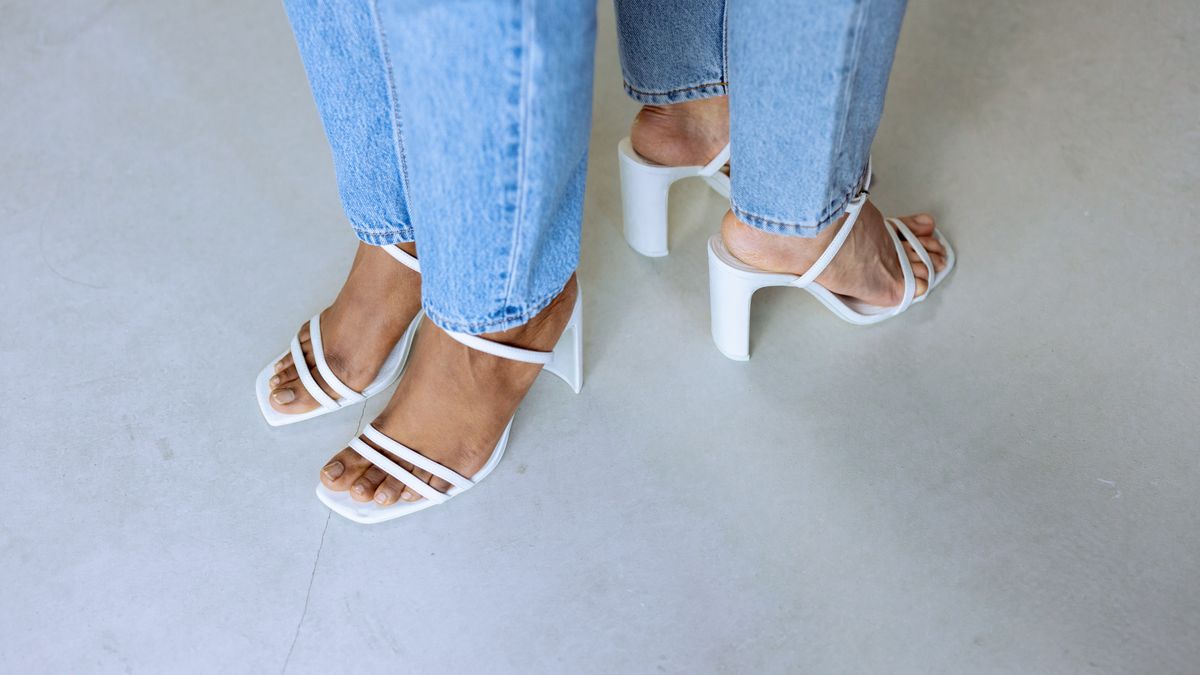
| Heel shape | Block heel or wedge | Thin stiletto |
| Platform | Small platform under the forefoot, which lowers the effective angle | No platform with a very high heel |
| Toe shape | Round, almond or square | Sharply pointed |
| Fastening | Ankle strap or T-bar that holds the foot | Backless or loose slip-on |
| Upper | Soft leather or suede | Stiff synthetic or patent |
1. Buy the right size
Shop in the afternoon, when your feet are slightly swollen, and try both shoes. Your toes should lie flat without overlapping, and your heel should not slip out. If you are between sizes, the larger one with a cushion is usually better than a tight shoe. See how to measure your shoe size.
2. Choose a stable heel
A block heel or wedge spreads your weight over a larger area and is much easier to balance on than a stiletto of the same height.
3. Add ball-of-foot cushions
Gel or foam pads under the forefoot absorb pressure and stop your foot from sliding forward. They are the single most useful insert for high heels.
4. Use heel grips or liners
If your heel lifts out, adhesive heel grips hold it in place and prevent blisters. More options are in how to make shoes fit smaller.
Related: How to Shrink Shoes That Are Too Big: What Really Works
5. Break them in at home
Wear new heels around the house with thick socks for 30 minutes at a time over several days. Leather softens and moulds to your foot. For tight spots, a shoe stretcher helps; see how to stretch shoes.
6. Rough up slippery soles
New soles are often very smooth, which makes you tense your feet to stay upright. Scuff them with sandpaper or add grip pads, as described in how to make shoes non-slip.
7. Protect hot spots before they blister
Apply blister plasters, moleskin or an anti-friction balm to your heels, little toes and the tops of your toes before you go out, not after the rubbing starts.
8. Take breaks and bring a backup
Sit down when you can, slip your heels off under the table for a few minutes, and carry foldable flats for the walk home. Avoid wearing high heels on consecutive days.
9. Look after your feet afterwards
Stretch your calves and roll the sole of your foot over a ball for a couple of minutes. Calf muscles tighten with regular heel wear, and stretching keeps them comfortable.
What about taping your toes?
Taping the third and fourth toes together is a popular tip said to ease pressure on a nerve in the forefoot. Some people find it helps and others notice no difference. It is harmless to try with skin-safe tape, as long as it is not tight enough to affect circulation.
When to see a professional
Ongoing pain in the ball of the foot, numbness or tingling in the toes, or a growing bump at the big toe joint should be checked by a podiatrist. This article is general information, not medical advice.
If the ball of your foot hurts even in flat shoes, see what metatarsalgia is.
For flat work shoes and boots, see the best insoles for standing all day.
Frequently asked questions
What heel height is most comfortable?
For most people, 5 to 7 cm (2 to 3 inches) or lower, with a block heel. Comfort drops sharply above about 9 cm.
Do gel inserts really work in heels?
Yes. Ball-of-foot cushions reduce pressure and stop the foot sliding forward. They cannot fix a shoe that is too narrow.
Should I size up in heels?
Only if the toe box is narrow or pointed. A larger size with a cushion can relieve toe squeeze, but too big and your heel will slip.
How do I stop my feet sliding forward in heels?
Use ball-of-foot cushions, choose styles with an ankle strap, and make sure the soles are not slippery inside; a suede-topped insert adds grip.