To prevent blisters, cut down the friction, moisture and pressure that cause them. Wear shoes that fit with a secure heel, choose moisture-wicking socks rather than cotton, break in new footwear gradually, and tape or cover any spot that starts to feel warm. Most blisters can be avoided by acting on that first “hot spot” within a few minutes.
In this guide
This article is general information, not medical advice. People with diabetes, poor circulation or reduced feeling in their feet should have any blister checked by a professional.
Why blisters form
When skin is rubbed repeatedly, the upper layers shear apart and fluid fills the gap. Damp skin is softer and grips the sock more, heat makes feet swell, and a shoe that is loose or tight in the wrong place concentrates the rubbing on one spot.
| Where it appears | Usual cause | Fix |
|---|---|---|
| Back of the heel | Heel lifting in the shoe; stiff heel counter | Heel-lock lacing, better fit, heel grips, break-in |
| Tips or tops of toes | Shoe too short or shallow; long descents | More toe room, trim nails, lace firmly over the instep |
| Between toes | Toes rubbing together, sweat | Toe socks, lubricant, wider toe box |
| Ball of the foot | Foot sliding forward; wet socks | Snugger lacing, dry socks, cushioned insole |
| Side of big or little toe | Shoe too narrow | Wider fitting; see shoes for wide feet |
10 ways to prevent blisters
- Get the fit right. A thumb’s width at the toes, no pinching at the sides and a heel that stays put. Measure with our size guide.
- Break shoes in. Wear new pairs for short periods first; see how to break in shoes and boots.
- Wear the right socks. Merino or synthetic socks move sweat away; cotton holds it against the skin. See the best hiking socks.
- Try liners, double-layer or toe socks if you blister often.
- Lace properly. A heel-lock (runner’s loop) stops heel lift; see how to lace boots.
- Keep feet dry. Change damp socks, and use foot powder or antiperspirant if your feet sweat heavily.
- Lubricate problem areas with an anti-chafe balm or petroleum jelly before long walks or runs.
- Tape known trouble spots with zinc oxide tape, kinesiology tape or blister patches before you set off.
- Stop at the first hot spot. Dry the area and cover it at once. Waiting ten minutes can be the difference.
- Look after your skin and nails. Keep nails short, and file thick calluses, which can blister underneath.
Related: How to Tie Shoes: 4 Easy Knots That Stay Tied
Preventing blisters in different footwear
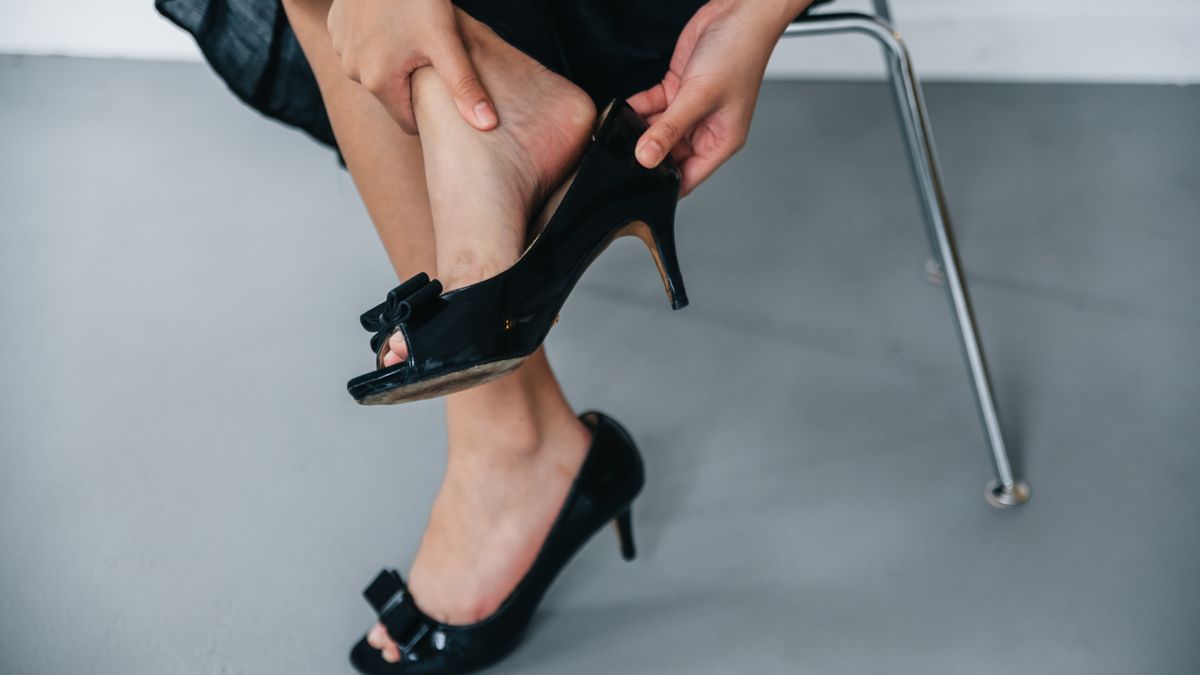
- Heels and dress shoes: use gel heel grips and forefoot pads; see how to make heels more comfortable.
- Running shoes: they should fit from day one; see how running shoes should fit.
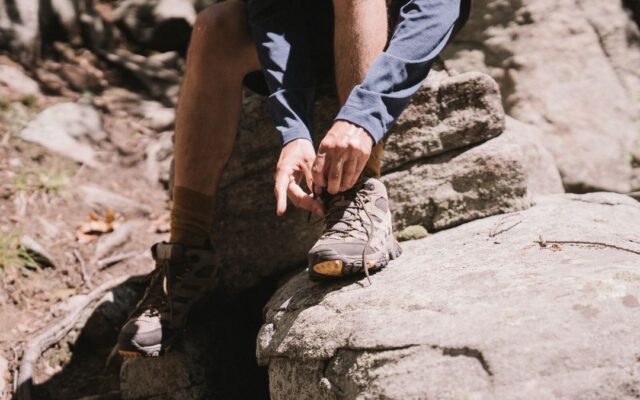
- Hiking boots: fit them with your hiking socks, and tighten laces before descents.
- Sandals and bare feet in shoes: apply balm where straps rub, or wear no-show socks.
- Shoes that are slightly big: see how to make shoes smaller.
What to do if you get a blister
- Leave small, unbroken blisters intact; the skin is a natural barrier. Cover with a blister plaster or a padded dressing.
- If a large blister is painful and likely to burst, health services generally advise against popping it yourself; protect it and seek advice if needed.
- If it bursts, wash gently, leave the skin flap in place, and cover with a sterile dressing.
- See a doctor for signs of infection: spreading redness, warmth, pus or increasing pain.
Frequently asked questions
Why do I always get blisters on my heels?
Usually because the heel lifts with each step or the heel counter is stiff. A better fit, heel-lock lacing and breaking shoes in normally solve it.
Do two pairs of socks prevent blisters?
A thin liner under a thicker sock can, because the layers rub against each other instead of your skin. Make sure the shoe still fits.
Does petroleum jelly prevent blisters?
It reduces friction for an hour or two. Purpose-made anti-chafe balms and tape last longer.
Should I pop a blister?
Generally no. Intact skin protects against infection. Cover it and let it heal.