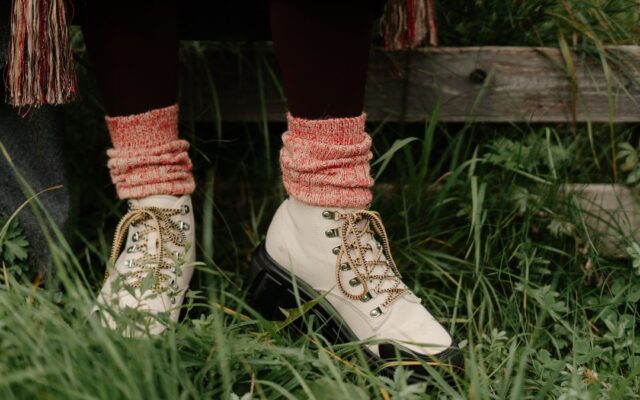
Merino wool socks are better at regulating temperature and resisting odour, so they suit hiking, travel, cold weather and multi-day wear. Synthetic socks made from polyester or nylon dry faster, cost less and last longer, so they suit running, hot weather and high-sweat activities. Most good socks are in fact blends, combining merino for comfort with nylon for strength and elastane for stretch.
In this guide
Merino vs synthetic at a glance
| Merino wool | Synthetic | |
|---|---|---|
| Warmth when wet | Good; still insulates when damp | Fair; feels cold when soaked |
| Temperature range | Wide: comfortable from cool to warm | Best in warm conditions |
| Moisture handling | Absorbs vapour inside the fibre, so skin feels dry longer | Wicks liquid sweat to the surface quickly |
| Drying time | Slower | Fast |
| Odour | Naturally resistant; can be worn several days | Holds odour unless treated |
| Durability | Lower on its own; much better blended with nylon | High |
| Feel | Soft, not itchy in fine grades | Smooth; can feel slick or clammy |
| Price | Higher | Lower |
| Care | Gentle wash, low heat | Easy; tolerates normal washing |
Why merino works
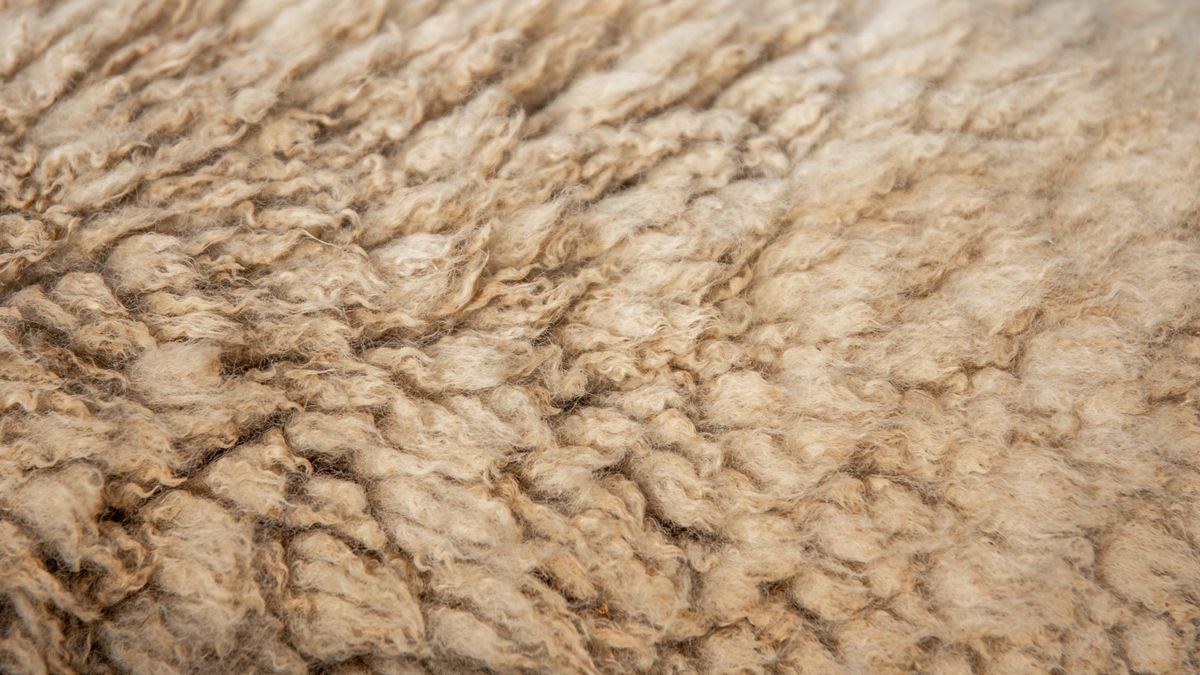
Merino fibres are much finer than ordinary wool, which is why they feel soft instead of scratchy. Each fibre can take up a good deal of moisture vapour before it feels wet, and the natural crimp traps air for insulation. Wool also resists the bacteria that cause smell, so merino socks stay fresher over a long trek or a few days of travel.
Why synthetics work
Polyester, nylon and similar fibres absorb almost no water. Sweat is moved along the surface of the fibre and evaporates quickly, so the sock dries fast after a hard run or a stream crossing. Synthetics are also strong, hold their shape and cost less to produce. Their weakness is smell: bacteria cling to the fibres, although many brands add an anti-odour treatment.
Related: How to Clean Sandals and Flip Flops (Every Material)
Blends: the practical answer
Very few performance socks are 100 percent merino, because pure wool wears through at the heel and toe. A typical hiking sock is roughly half to two-thirds merino, with nylon for durability and a little elastane for fit. Running socks often reverse the ratio, or use no wool at all. When you read a label:
- 50 percent merino or more: behaves like a wool sock; best for hiking and cold.
- 20 to 40 percent merino: a compromise that dries faster and costs less.
- Nylon in the heel and toe: a sign the sock is built to last.
Which should you choose?
- Hiking and backpacking: merino blend. See the best hiking socks.
- Road running and gym: thin synthetic, or a light merino blend if your feet run cold.
- Hot, humid weather: synthetic or lightweight merino.
- Winter and snow: midweight to heavyweight merino; see the best winter boots.
- Travel: merino, because you can wear a pair more than once.
- Work boots: cushioned merino blend for long shifts.
- Compression: mostly synthetic; see the best compression socks.
- Sensitive to wool: synthetic, or bamboo-viscose blends.
What about cotton?
Cotton absorbs a lot of water, holds it against the skin and dries slowly. Wet skin is soft and blisters easily, so cotton is a poor choice for any long walk, hike or run. See how to prevent blisters.
Care tips
- Wash merino inside out on a cool, gentle cycle and avoid fabric softener, which coats the fibres.
- Air dry or tumble dry on low; high heat shrinks wool and weakens elastic.
- Synthetics can be washed normally, but also skip the softener to keep them wicking.
- Keep toenails trimmed; they cause most holes at the toe.
Choosing footwear too? Read hiking boots vs trail runners and see the best hiking boots.
Frequently asked questions
Are merino wool socks too hot for summer?
No. Lightweight merino breathes well and is comfortable in warm weather, though thin synthetics dry faster in very hot, humid conditions.
Do merino socks smell less?
Yes. Wool resists odour-causing bacteria, so merino socks can usually be worn for more than a day between washes.
Which lasts longer, merino or synthetic?
Synthetic socks generally last longer. Merino blended with nylon closes most of the gap.
Is merino wool itchy?
Fine-grade merino is soft and rarely itchy. People with wool sensitivity may still prefer synthetic or bamboo blends.