The best hiking boot for most people in 2026 is a light, waterproof mid-cut boot such as the Salomon X Ultra 5 Mid GTX: supportive enough for rough trails, but close to a trail shoe in weight. If you carry a heavy pack, a sturdier boot like the Lowa Renegade Evo GTX or Salomon Quest 4 GTX is the better tool. On a tight budget, the Merrell Moab 3 Mid and Columbia Newton Ridge Plus II are the long-standing choices.
These picks are based on published specifications and independent reviews, not on our own field testing. Boots fit very differently between brands, so try them with your hiking socks.
Quick picks
| Boot | Best for | Build |
|---|---|---|
| Salomon X Ultra 5 Mid GTX | Best all-rounder | Light, waterproof mid |
| Lowa Renegade Evo GTX | Support and durability | Nubuck leather, waterproof |
| Salomon Quest 4 GTX | Backpacking with heavy loads | Tall, stiff, waterproof |
| Merrell Moab 3 Mid Waterproof | Comfort out of the box | Suede and mesh mid |
| Keen Targhee IV Mid Waterproof | Wide feet | Leather mid, broad toe box |
| Hoka Anacapa 2 Mid GTX | Cushioning | Light, rockered, waterproof |
| Columbia Newton Ridge Plus II Waterproof | Budget and beginners | Leather and suede mid |
Related: How to Wear Timberlands: Outfit Ideas for Men and Women
The 7 best hiking boots
1. Salomon X Ultra 5 Mid GTX
Best for: day hikes and light backpacking
The latest version of one of the most recommended hiking boots. It pairs a Gore-Tex waterproof lining with a grippy Contagrip outsole and a chassis that resists twisting on uneven ground, yet needs very little break-in. A wide fit is available.
- Good: light, stable, good grip, short break-in
- Less good: snug fit in the standard width; less ankle support than a tall boot
2. Lowa Renegade Evo GTX
Best for: hikers who want one boot for years of mixed use
An update of a classic nubuck leather boot. It is heavier than synthetic boots but gives firm ankle and underfoot support, and it is offered in narrow and wide lasts.
- Good: supportive, durable leather, several widths
- Less good: expensive; heavier; warm in summer
3. Salomon Quest 4 GTX
Best for: multi-day trips with a loaded pack
A tall, stiff boot built for carrying weight on rocky ground. The high collar and firm chassis protect ankles and reduce foot fatigue under load. A newer Quest 5 has started to appear, so the Quest 4 is often discounted.
- Good: excellent support and protection, tough
- Less good: heavy and stiff for easy trails
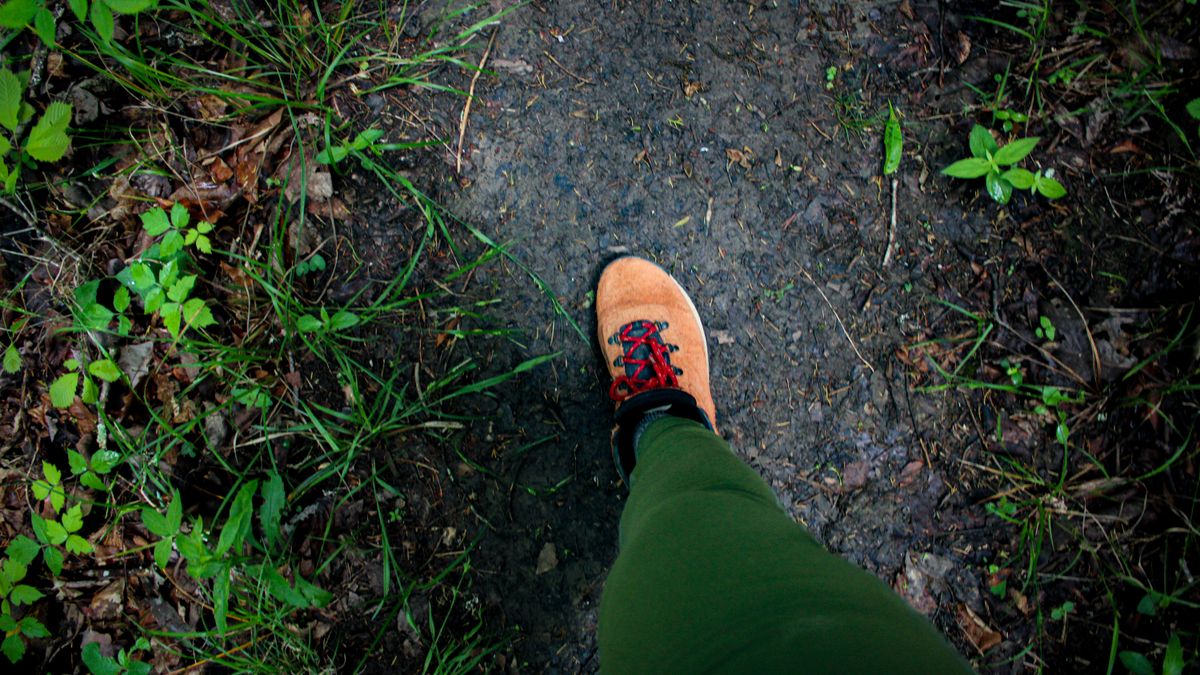
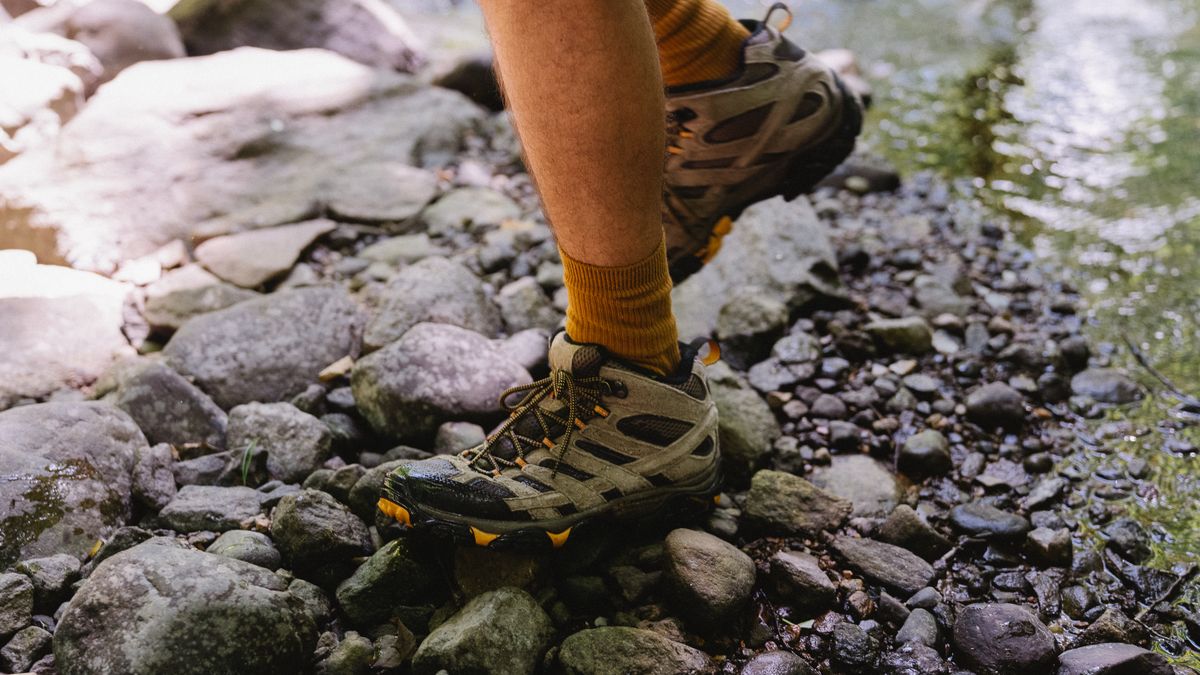
4. Merrell Moab 3 Mid Waterproof
Best for: casual hikers who want instant comfort
A long-time best seller with a soft, padded feel, a Vibram outsole and a cushioned footbed. It comes in wide sizes and in non-waterproof ventilated versions for hot climates.
- Good: comfortable straight away, fair price, wide sizes
- Less good: bulkier and less precise on technical terrain
5. Keen Targhee IV Mid Waterproof
Best for: wide forefeet
Keen boots are known for a broad, rounded toe box and a rubber toe cap. The Targhee IV uses a glue-free bonded sole designed to resist delamination, a common failure point in hiking boots.
- Good: roomy toes, protective, durable sole bond
- Less good: heavier than synthetic rivals; runs warm
6. Hoka Anacapa 2 Mid GTX
Best for: hikers who want trainer-like cushioning
A light boot with a thick, soft midsole and a rockered sole that rolls smoothly on long, maintained trails. Gore-Tex keeps water out.
- Good: very cushioned, light, smooth stride
- Less good: less stable on off-camber rock; soft foam wears faster
7. Columbia Newton Ridge Plus II Waterproof
Best for: beginners and occasional hikers
Usually the cheapest boot from a major brand that is still worth buying. It has a leather and suede upper, a waterproof construction and a light midsole, and suits short hikes and everyday winter wear.
- Good: low price, classic look, light
- Less good: less grip, support and durability than pricier boots
How to choose hiking boots
- Match the boot to the load. Day hikes: light mids. Heavy packs and rough ground: taller, stiffer boots.
- Waterproof or not? Membranes keep rain and puddles out but run warmer and dry slowly once soaked. In hot, dry places a ventilated boot is more comfortable. See how to waterproof shoes.
- Fit. A thumb’s width in front of the toes, a locked-in heel and no pressure points. Full details: how boots should fit.
- Soles. Look for deep lugs and a heel brake for descents; see shoe sole types.
- Break them in. Wear new boots on short walks first; see how to break in boots and how to lace boots to stop heel slip.
After muddy trips, see how to clean leather boots and how to dry shoes without damaging them.
Boots are only half the system; see the best hiking socks of 2026.
Top up water repellency with one of the best waterproofing sprays.
Frequently asked questions
Are hiking boots better than hiking shoes?
Boots give more ankle coverage, protection and support under a heavy pack. Shoes are lighter and cooler for easy trails.
Should hiking boots be a size bigger?
Often half a size up from your everyday shoes, to allow for thicker socks, swelling and downhill toe room.
How long do hiking boots last?
Commonly 500 to 1,000 miles, depending on build and terrain. Leather boots with stitched or resoleable soles last longest.
Do I need waterproof hiking boots?
They are worth it in wet, cool or muddy conditions. In hot, dry climates breathable boots are usually more comfortable.