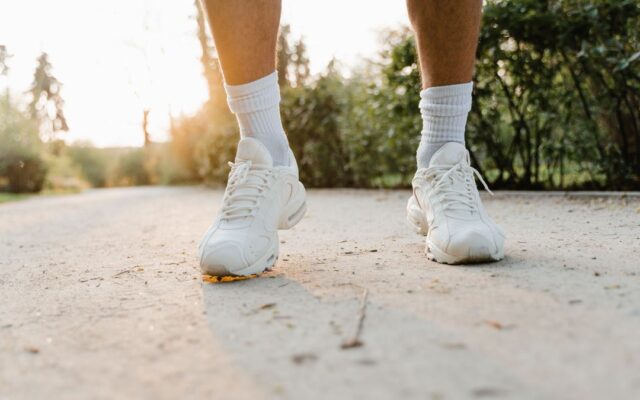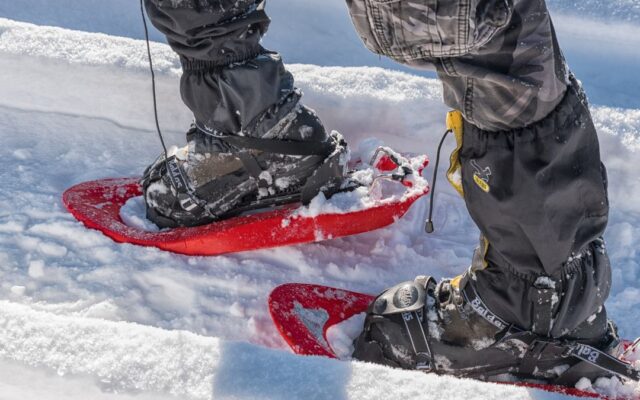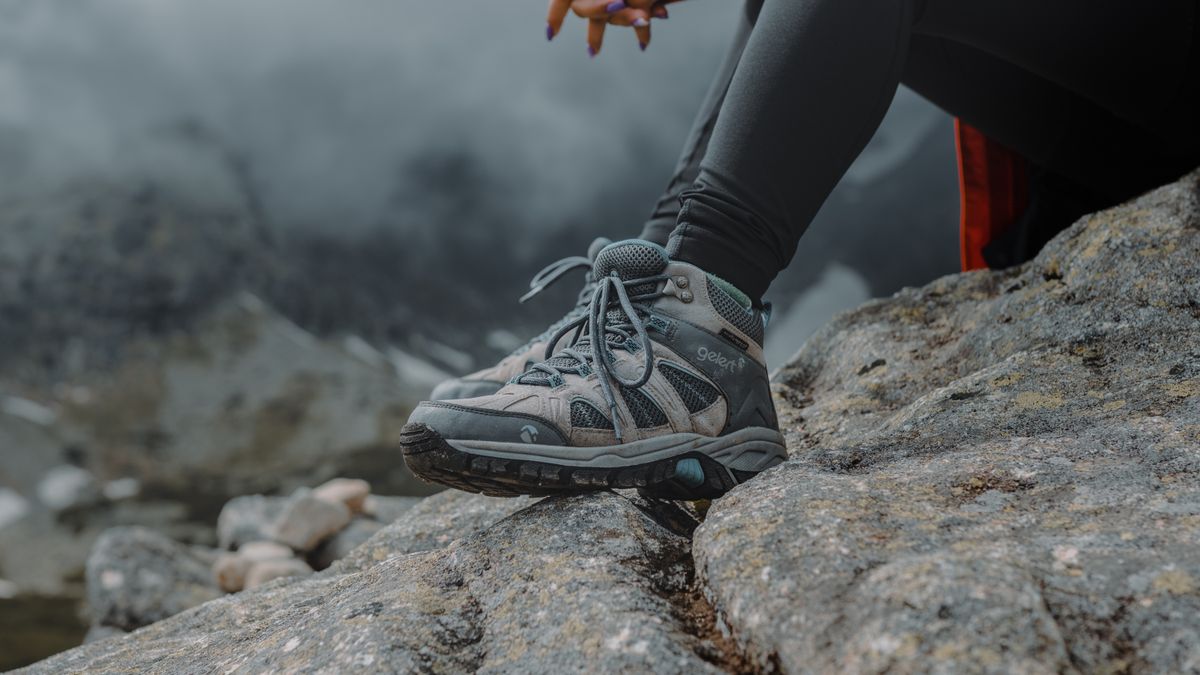
Choose hiking boots when you carry a heavy pack, hike rough or wet terrain, or want more protection around the ankle. Choose trail runners when you want light, cool, quick-drying footwear for well-made trails and lighter loads. Neither is “better”: boots trade weight for durability and protection, and trail runners trade protection for comfort and speed.
In this guide
Hiking boots vs trail runners at a glance
| Hiking boots | Trail runners | |
|---|---|---|
| Weight (pair) | Roughly 0.9 to 1.4 kg | Roughly 0.5 to 0.7 kg |
| Ankle coverage | Mid or high cut | Low cut |
| Underfoot stiffness | Stiffer; better under a load | Flexible; more ground feel |
| Protection | Toe caps, thick uppers | Light toe bumper, mesh upper |
| Waterproofing | Usually a membrane | Usually none; drains and dries fast |
| Break-in | Some, more for leather | Little or none |
| Typical lifespan | 500 to 1,000 miles | 300 to 500 miles |
| Best for | Heavy packs, rough ground, cold and wet | Day hikes, fast hiking, warm weather, thru-hiking |
When hiking boots are the better choice
- Heavy loads. A stiff sole stops your foot bending around every rock when you are carrying a multi-day pack.
- Rough, rocky or off-trail terrain. Thick uppers shrug off scree and brush.
- Cold, snow and persistent mud. Height and a waterproof lining keep feet warmer and drier.
- Durability. A good leather boot outlasts two or three pairs of trail shoes and can sometimes be resoled.
- Weak or recently injured ankles. A higher collar gives some support and protects against knocks, though it does not prevent every sprain.
See our picks for the best hiking boots of 2027.
When trail runners are the better choice
- Less fatigue. Weight on your feet costs more energy than weight on your back, so lighter shoes leave you fresher at the end of the day.
- Hot weather. Mesh breathes, which means less sweat and fewer blisters.
- Stream crossings. Non-waterproof shoes drain and dry in an hour or two; a soaked boot can stay wet for days.
- No break-in. They are comfortable from the first walk.
- Long-distance hiking. Many thru-hikers choose trail runners and simply replace them along the way.
See the best trail running shoes of 2027.
Related: How Long Should You Wait After Eating to Run?
What about hiking shoes?
Low-cut hiking shoes sit between the two: stiffer and tougher than a trail runner, lighter than a boot. They suit day hikers who want durability and protection without the height.
How to decide
- Pack under about 9 kg (20 lb), maintained trails, mild weather: trail runners.
- Day hikes on mixed terrain: either; choose on comfort.
- Pack over about 13 kg (30 lb), rocky routes, snow or constant wet: boots.
- New to hiking: start with whichever feels more secure, and build ankle and foot strength gradually if you go lighter.
Fit and care are the same for both
- Leave a thumb’s width in front of your toes for descents; see how boots should fit.
- Wear proper socks, not cotton; see the best hiking socks.
- Break in new boots before a big trip; see how to break in boots.
- Dry them gently after wet hikes; see how to dry shoes.
Frequently asked questions
Are trail runners good enough for hiking?
Yes, for most trails with a light to moderate pack. They are the most popular choice on many long-distance routes.
Do hiking boots prevent ankle sprains?
They offer some support and protection, but strong ankles and careful footing matter more. No boot makes a sprain impossible.
Which lasts longer?
Boots. Expect roughly twice the mileage of a trail running shoe, more for resoleable leather boots.
Should I get waterproof shoes for hiking?
In cold or wet conditions, yes. In warm weather or where you will wade through water, breathable non-waterproof shoes are usually more comfortable.