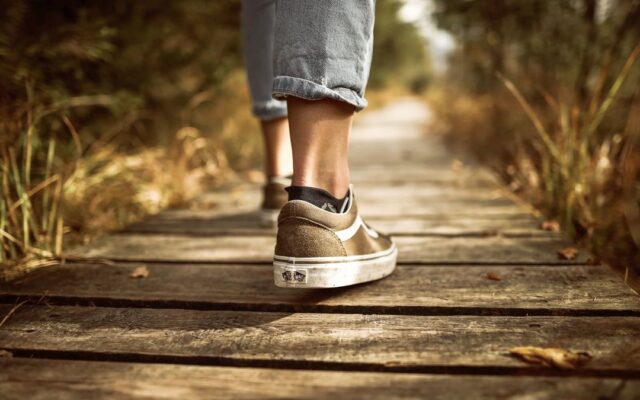
Trail running shoes have deep rubber lugs, tougher uppers and underfoot protection for dirt, rock and mud, while road running shoes are lighter, smoother-soled and tuned for cushioning on hard, even pavement. If most of your miles are on asphalt or a treadmill, buy road shoes. If you regularly run on rocky, muddy or steep trails, trail shoes are safer and more comfortable. For smooth park paths and gravel, either works.
In this guide
Side-by-side comparison
| Feature | Trail running shoes | Road running shoes |
|---|---|---|
| Outsole | Sticky rubber with 3 to 6 mm lugs | Flatter, harder rubber, shallow tread |
| Grip on mud and loose ground | Strong | Poor |
| Midsole | Firmer, often lower to the ground for stability | Softer, bouncier, built for repeated impact |
| Protection | Rock plate, toe bumper, reinforced sides | Minimal |
| Upper | Dense, abrasion-resistant mesh; debris-resistant | Thin, airy mesh |
| Weight | Usually heavier | Usually lighter |
| Best surface | Dirt, rock, mud, roots, grass | Asphalt, concrete, track, treadmill |
The five differences that matter
1. Outsole and grip
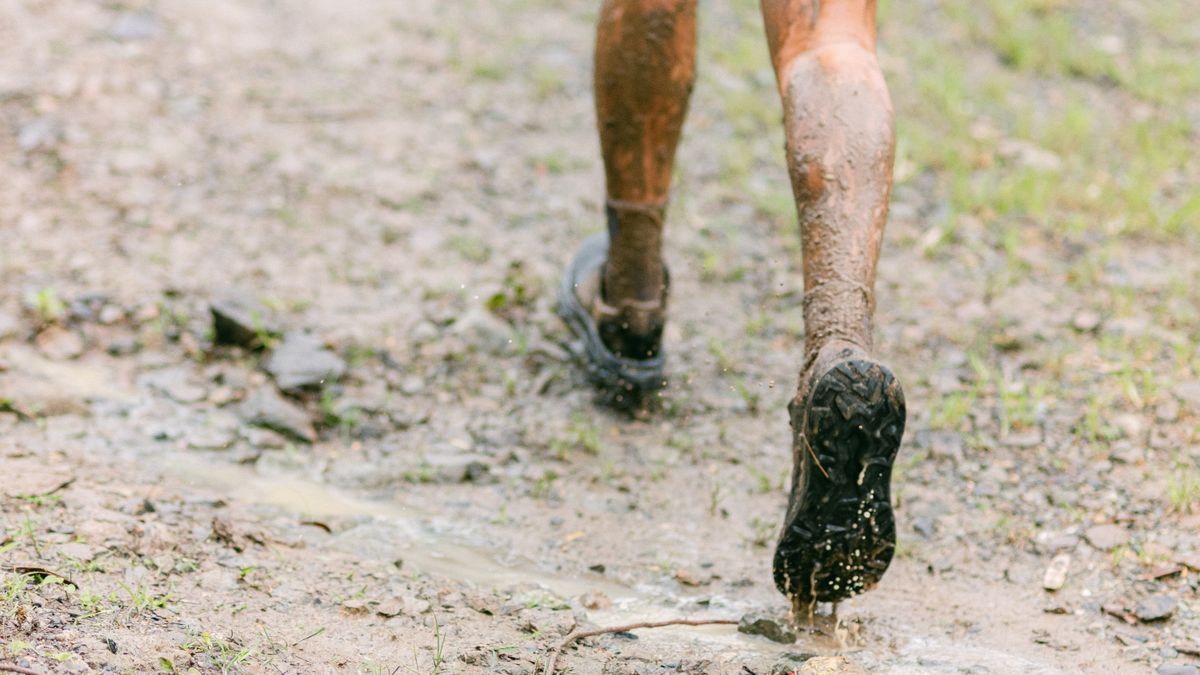
This is the biggest difference. Trail outsoles use softer, stickier rubber moulded into lugs that dig into dirt and clear mud as the shoe flexes. Road outsoles are flatter to give a smooth roll and to last longer against abrasive pavement. On wet rock or mud, a road shoe will slide where a trail shoe holds.
2. Cushioning and ride
Road shoes are designed around one repeated motion on one hard surface, so they prioritise soft, energetic foam. Trail shoes are often a little firmer and wider underfoot so your ankle is less likely to roll on uneven ground. Stack height and heel-to-toe drop vary in both categories.
3. Protection
Many trail shoes have a rock plate, a thin flexible layer in the midsole that stops sharp stones bruising the foot, plus a rubber toe cap for kicked roots and rocks. Road shoes skip these to save weight.
4. Upper
Trail uppers use tighter, tougher mesh with overlays to resist tearing and keep grit out, and some have gaiter attachment points. Waterproof versions exist; our guide to Gore-Tex shoes explains when a membrane helps and when it traps heat and water.
5. Weight and durability
The extra rubber and protection make trail shoes heavier on average. On their intended surface both types last a similar distance; see how long running shoes last.
Related: Best Walking Shoes of 2027: 7 Comfortable Picks
Can you use one type on the other surface?
| Situation | Does it work? | What to expect |
|---|---|---|
| Trail shoes on road, short stretches | Yes | Fine for linking trails; slightly firm and noisy |
| Trail shoes on road, every run | Not ideal | Lugs wear down quickly and the ride feels harsh |
| Road shoes on smooth gravel or park paths | Yes | No real downside in dry weather |
| Road shoes on rocky, muddy or steep trails | Risky | Slipping, stone bruises and torn uppers |
If your routes are a genuine mix, look for a “road-to-trail” or hybrid model with shallow lugs of about 2 to 3 mm. Several appear in our best trail running shoes list.

Which should you buy?
- Mostly pavement or treadmill: road shoes. Start with our best running shoes for beginners.
- Mostly technical trails: trail shoes with deeper lugs and a rock plate.
- Mixed routes or easy trails: a hybrid shoe, or the road shoes you already own in dry conditions.
- Hiking as well as running: trail runners are popular for hiking too; compare them in hiking boots vs trail runners.
- Running several times a week on both: owning one pair of each is the most comfortable and makes both last longer.
Whichever you choose, fit comes first. Our guide on how to choose running shoes walks through sizing, width and support. After muddy runs, follow how to clean running shoes so the uppers and glue last.
Frequently asked questions
Can I wear trail running shoes on the road?
Yes for short sections or occasional runs. Used on pavement all the time, the soft lugs wear quickly and the shoe feels firmer than a road model.
Do I need trail shoes for gravel paths?
Usually not. Road shoes handle dry, well-packed gravel and park paths well. Trail shoes become worthwhile on loose, wet, rocky or steep ground.
Are trail running shoes good for walking and hiking?
Yes. Many hikers prefer them because they are lighter and dry faster than boots, though they give less ankle coverage and wear out sooner.
Are trail shoes heavier than road shoes?
On average, yes, because of thicker outsoles and protective parts, though lightweight trail racing shoes narrow the gap.
Should trail shoes fit differently from road shoes?
The fit is similar: a secure heel and midfoot with about a thumb width in front of the toes. Many runners like slightly more toe room on trails because feet slide forward on descents.