Heel-to-toe drop is the difference in height between the heel and the forefoot of a shoe, measured in millimetres. A shoe with 30 mm of sole under the heel and 20 mm under the forefoot has a 10 mm drop. Higher drops (8 to 12 mm) take some strain off the calves and Achilles tendon; lower drops (0 to 6 mm) shift work toward the calves and feet and away from the knees. There is no single best number: choose what suits your body, your history and what you are used to.
In this guide
Drop is not the same as cushioning
Two measurements describe a sole:
- Stack height: how much material sits between your foot and the ground. This is the cushioning.
- Drop (offset): the difference between heel stack and forefoot stack. This is the slope.
A thick, soft shoe can have a low drop, and a thin racing flat can have a high one. Check both numbers when comparing shoes.
Drop ranges at a glance
| Drop | Category | Feels like | Often suits |
|---|---|---|---|
| 0 mm | Zero drop | Level, barefoot-like stance | Experienced low-drop wearers; wide-toe-box fans |
| 1 to 4 mm | Low | Nearly flat; calves work harder | Midfoot and forefoot strikers |
| 5 to 8 mm | Mid | Balanced; easy to adapt to | Most runners and walkers |
| 9 to 12 mm | High | Noticeable heel lift | Heel strikers; tight calves or Achilles soreness |
How drop changes the load on your body
| Body area | Higher drop | Lower drop |
|---|---|---|
| Achilles tendon and calves | Less strain | More strain |
| Ankle | Less bending needed | More range of motion needed |
| Knee | Somewhat more load | Somewhat less load |
| Foot muscles and plantar fascia | Less work | More work |
| Foot strike | Encourages heel landing | Encourages midfoot landing |
Studies have not found that one drop reduces injuries for everyone. Drop mainly moves stress from one part of the leg to another, which is why your own weak spots matter.
Related: How to Get Rid of Shoe Odor: What Works and Why Shoes Smell
Which drop should you choose?
- New to running or walking for fitness: a mid to high drop (6 to 10 mm) feels natural and is forgiving. See the best running shoes for beginners.
- Sore Achilles or tight calves: lean higher (8 to 12 mm).
- Knee discomfort when running: some people find a lower drop or a rocker sole more comfortable; change slowly.
- Heel pain or plantar fasciitis: many prefer a moderate to high drop with a firm heel; see the best shoes for plantar fasciitis.
- Lifting and gym work: flat, low-drop shoes are more stable; see what training shoes are.
- Happy in your current shoes: stay within about 4 mm of what you wear now.
This is general guidance, not medical advice. For persistent pain, see a physiotherapist or podiatrist.
How to change drop safely
- Move in steps of about 4 mm, not from 12 mm straight to zero.
- Start with short walks or easy runs in the new pair and keep your old shoes for the rest.
- Build up over four to eight weeks.
- Add calf raises and calf stretches when going lower.
- If your Achilles or arches ache the next morning, reduce the time in the new shoes.
Thinking of going all the way to level? Read zero-drop shoes explained.
Drop in different kinds of footwear
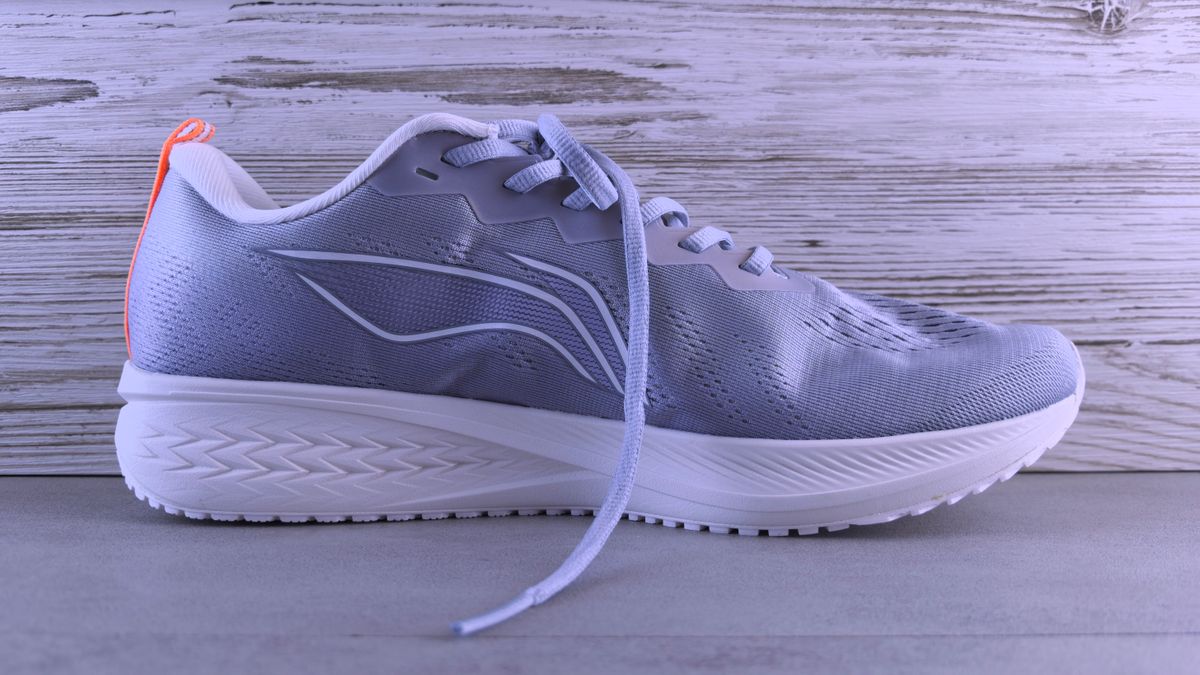
- Daily running trainers: typically 6 to 12 mm.
- Max-cushion rocker shoes: often 4 to 6 mm; the rocker reduces how much the ankle has to bend.
- Trail shoes: usually 0 to 8 mm for stability on uneven ground; see the best trail running shoes.
- Walking and work shoes: commonly 8 to 12 mm.
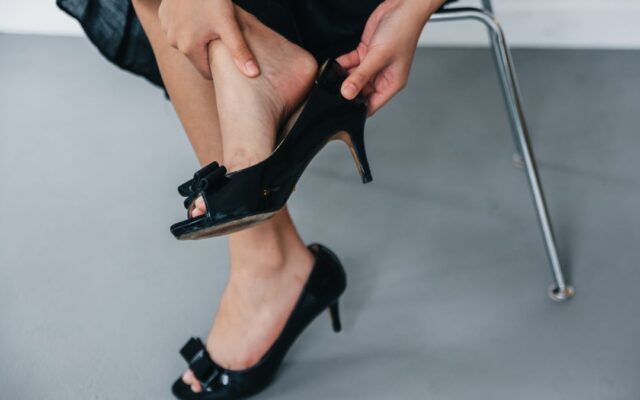
- Dress shoes and boots: a heel of 20 to 30 mm is normal, which is a far higher drop than any trainer.
For a brand-level example of low versus high drop, see Hoka vs Brooks. For the whole buying process, read how to choose running shoes and what pronation is.
Frequently asked questions
What is a normal heel-to-toe drop?
Most everyday running and walking shoes have 8 to 12 mm. Anything from 0 to 12 mm is normal for sports shoes.
Is a lower drop better for your knees?
It can reduce load at the knee for some runners, but it increases load on the calves and Achilles. It is a trade, not a cure.
Does drop matter for walking?
Less than for running, because impact is lower. Comfort and fit matter more, though people with Achilles problems often prefer some heel lift.
How do I find the drop of my shoes?
Check the brand’s specification list or independent lab reviews. It is rarely printed on the shoe.