The best cross-training shoes are stable under a barbell, flexible enough for lunges and burpees, grippy for quick side-to-side moves and just cushioned enough for short runs. The Reebok Nano X5 is the most versatile all-rounder, the Nike Metcon 10 is the benchmark for heavy lifting and CrossFit-style sessions, and the adidas Dropset 4 gives the lowest, most planted feel. For classes with a lot of jumping and cardio, a softer shoe such as the Nike Free Metcon 7 or Hoka Solimar 2 is more comfortable.
In this guide
Picks are based on published specifications and independent reviews, not our own testing. Training shoes fit snugger than running shoes; try your usual size first.
Quick picks
| Shoe | Best for | Character |
|---|---|---|
| Reebok Nano X5 | Best all-round gym shoe | Stable, roomy, versatile |
| Nike Metcon 10 | Heavy lifting and CrossFit-style training | Firm heel, durable |
| adidas Dropset 4 | Strength work, low to the ground | Wide, flat, very stable |
| Nike Free Metcon 7 | HIIT and classes | Flexible forefoot, stable heel |
| TYR CXT-3 | Arch support and a wider toe box | Firm, supportive |
| Hoka Solimar 2 | Cardio-heavy workouts | Light, cushioned |
| Puma Fuse 3.0 | Budget | Flat, grippy, wide |
Related: Best Trail Running Shoes of 2027: 7 Picks for Any Terrain
The 7 best cross-training shoes
1. Reebok Nano X5
Best for: people who do a bit of everything
The Nano has been a gym staple for fifteen years. The X5 has a firm heel for lifting, a more cushioned forefoot for jumps and short runs, and a toe box that lets the toes spread for balance.
- Good: versatile, wide toe box, comfortable for long sessions
- Less good: heavier than some; not for runs beyond a mile or two
2. Nike Metcon 10
Best for: squats, deadlifts, rope climbs and WODs
A wide, flat, firm heel keeps you planted under load, and the reinforced midfoot wrap protects against rope abrasion. The forefoot flexes enough for lunges and box jumps.
- Good: rock-solid for lifting, very durable
- Less good: stiff and firm for running; snug fit
3. adidas Dropset 4
Best for: lifters who want to feel the floor
A low stack height and a broad base, with a dual-density midsole that is firmer at the heel. It is one of the most stable shoes you can buy short of a dedicated weightlifting shoe.
- Good: exceptional stability, wide base, good grip
- Less good: minimal cushioning for cardio; wide fit is not for narrow feet
4. Nike Free Metcon 7
Best for: HIIT, circuits and studio classes
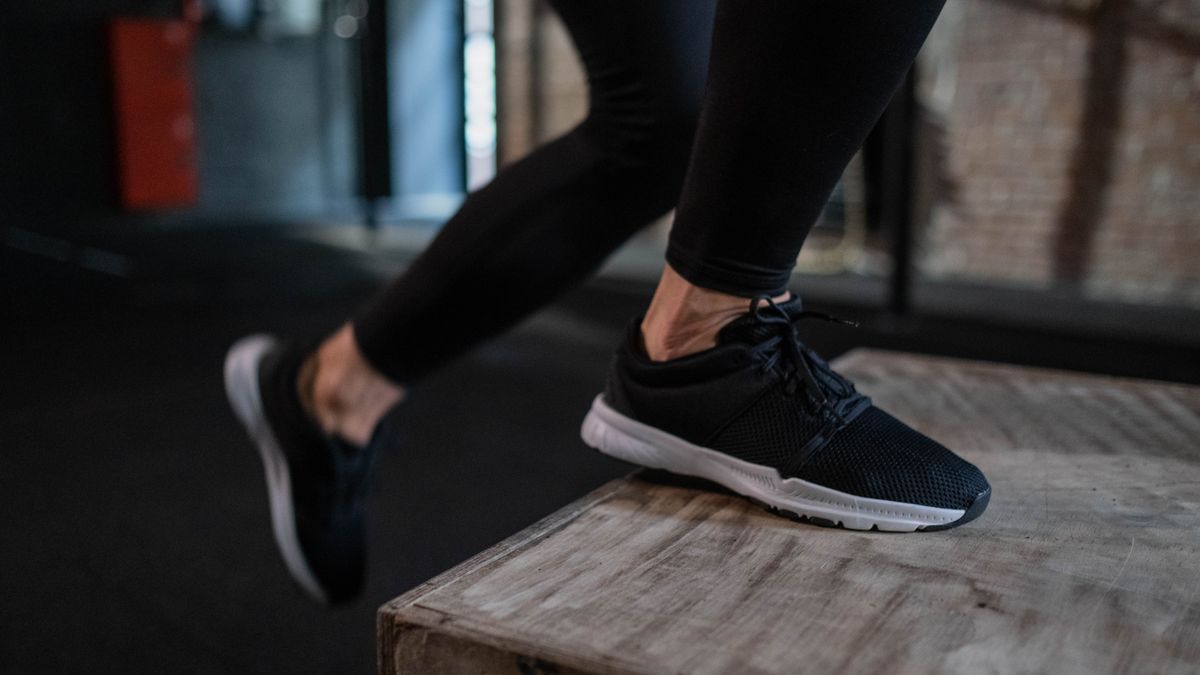
Combines the flexible, grooved forefoot of the Nike Free line with a stable Metcon heel, so it moves easily in lunges, planks and agility drills yet stays steady for moderate weights.
- Good: very flexible, cushioned for jumps, sock-like fit
- Less good: hard to pull on; less stable for maximal lifts
5. TYR CXT-3
Best for: flat feet and wider forefeet
A firm, supportive trainer with a pronounced arch area, a stable heel and a broader toe box than most rivals. It is popular with CrossFit athletes who find Nike too narrow.
- Good: supportive, roomy toes, stable under load
- Less good: firm underfoot; limited colour availability
6. Hoka Solimar 2
Best for: cardio machines, classes and walking
A light, cushioned shoe that sits between a running shoe and a trainer. It is the most comfortable here for treadmill intervals and jump-heavy sessions, but too soft for heavy barbell work.
- Good: light, cushioned, comfortable for short runs
- Less good: not stable enough for heavy lifting
7. Puma Fuse 3.0
Best for: solid performance at a lower price
A flat, wide, grippy shoe with a firm heel and a low drop, usually priced well below the big names. A good first pair of dedicated gym shoes.
- Good: affordable, stable, grippy rubber
- Less good: heavy; firm and unforgiving for running
How to choose cross-training shoes
- Match the shoe to your training. Mostly weights: firm, flat and low. Mostly classes and cardio: more cushioning and flexibility.
- Heel stability. Press the heel; it should barely compress. Soft running foam is unstable under a barbell.
- Drop. Most trainers sit between 0 and 7 mm for a level stance; see heel-to-toe drop explained.
- Side support and grip for lateral moves, and a tough upper if you climb ropes.
- Fit. Snug heel and midfoot, toes free to spread. Wide feet: see the best shoes for wide feet.
Background reading: what training shoes are and running shoes vs walking shoes. If you also run several miles a week, keep a separate pair from the best running shoes for beginners. For court sports, see what tennis shoes are and types of basketball shoes.
Frequently asked questions
Can I run in cross-training shoes?
Short warm-ups, sprints and a mile or two are fine. For regular or longer runs, running shoes are more comfortable and protective.
Can I lift weights in running shoes?
Light weights, yes. For heavy squats and deadlifts the soft, tall sole is unstable; a flat, firm trainer is safer.
How should cross-training shoes fit?
Snug through the heel and midfoot so the foot does not slide in side-to-side moves, with a little room for the toes.
How long do training shoes last?
Typically six months to a year of regular gym use. Replace them when the tread is smooth or the heel has softened.