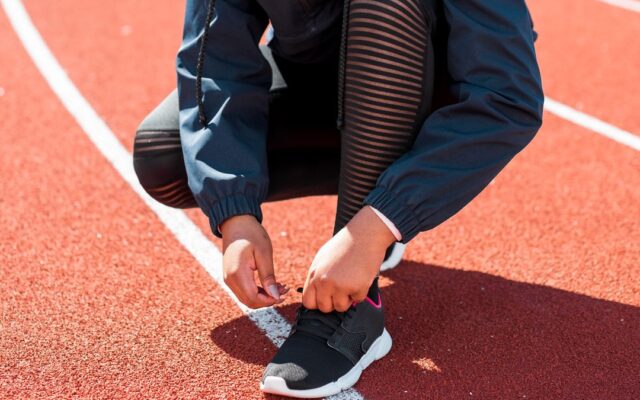
As a general guide, wait 3 to 4 hours after a large meal, 1 to 2 hours after a small meal, and 30 to 60 minutes after a light snack before you run. The bigger the meal and the harder the run, the longer you should wait.
In this guide
| What you ate | Example | Typical wait before running |
|---|---|---|
| Large meal | Full dinner with protein, fat and carbohydrates | 3 to 4 hours |
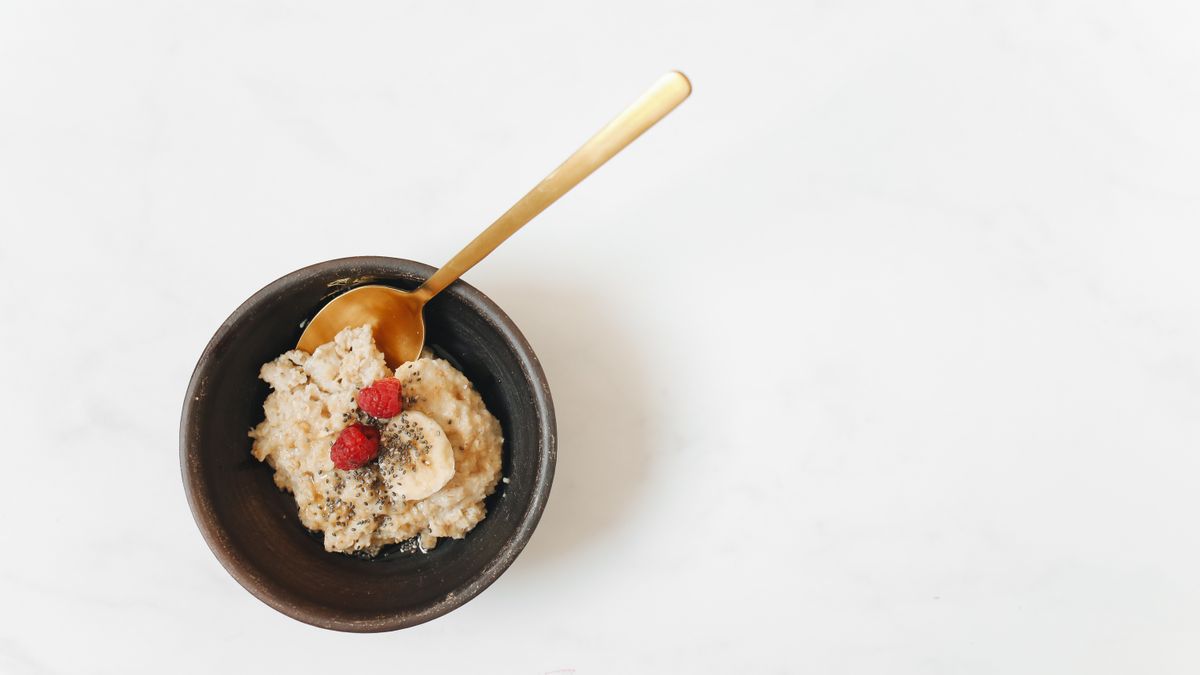
| Small meal | Bowl of oatmeal, sandwich, rice and eggs | 1 to 2 hours |
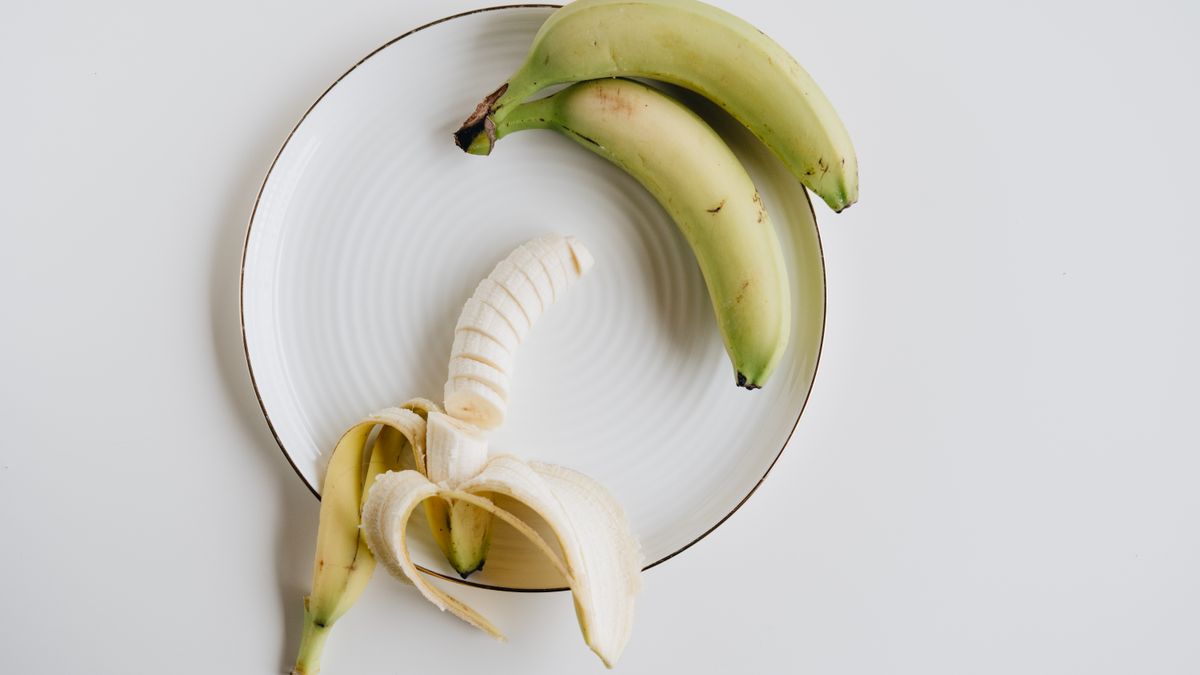
| Light snack | Banana, slice of toast with jam, energy bar | 30 to 60 minutes |
| Fluids only | Water or a sports drink | Little or no wait |
These are starting points. People digest at different speeds, so adjust them based on how you feel.
Why running on a full stomach feels bad
After you eat, your body sends more blood to the digestive system. When you run, your muscles need that blood instead, and digestion slows. Food sits in the stomach while you bounce up and down, which can lead to:
- Stomach cramps and side stitches
- Nausea, bloating or reflux
- A heavy, sluggish feeling
- An urgent need for the toilet mid-run
What to eat before a run
Choose foods that are high in easily digested carbohydrates and low in fat, fibre and protein, which all take longer to leave the stomach.
30 to 60 minutes before
- A banana
- A slice of white toast with honey or jam
- A small handful of dried fruit
- Half an energy bar
1 to 2 hours before
- Oatmeal with fruit
- A bagel with a thin layer of peanut butter
- Yoghurt with granola
- Rice with a little lean protein
Foods to avoid shortly before running
- Fatty and fried foods, which digest slowly
- High-fibre foods such as beans, bran and large salads
- Spicy dishes, which can trigger heartburn
- Large amounts of dairy, if it tends to upset your stomach
- Fizzy drinks, which cause bloating
Does the type of run matter?
- Easy runs: most people tolerate food closer to an easy jog. A snack 30 minutes before is usually fine.
- Intervals, tempo runs and races: leave more time. Hard efforts shake the stomach more and divert more blood from digestion.
- Long runs (over 60 to 90 minutes): eat a small carbohydrate-rich meal 2 to 3 hours before, and consider taking fuel with you.
Can you run on an empty stomach?
Yes, for short, easy runs, especially first thing in the morning. Many runners prefer it. For longer or harder sessions, running fasted can leave you low on energy and light-headed, so have at least a small snack. Drink some water either way.
What to eat after a run
Within an hour or two of finishing, eat a meal or snack with both carbohydrates and protein, such as eggs on toast, yoghurt with fruit, or rice with chicken, and rehydrate.
How to find your own timing
- Start with the times in the table above.
- Keep a short note of what you ate, when, and how the run felt.
- Change one thing at a time: the food or the gap.
- Never try a new food or timing on race day.
If you get regular stomach pain, reflux or dizziness when you run, or you have diabetes or another medical condition that affects eating and exercise, ask a doctor or registered dietitian for advice. This article is general information, not medical advice.
Comfort on a run starts from the ground up as well. See how running shoes should fit.
Frequently asked questions
Can I run 30 minutes after eating?
After a light snack such as a banana, yes. After a full meal, 30 minutes is usually too soon and may cause cramps.
Why do I get a stitch when I run after eating?
A full stomach and running too soon after food are common triggers for side stitches. Leaving more time and avoiding large drinks just before the run helps.
Is it better to run before or after breakfast?
Either works. Short, easy runs are fine before breakfast; for longer or faster runs, a small breakfast 1 to 2 hours beforehand usually gives better energy.
How long should I wait after drinking water?
Small amounts need no wait. If you have drunk a lot, give it 15 to 20 minutes to avoid sloshing.