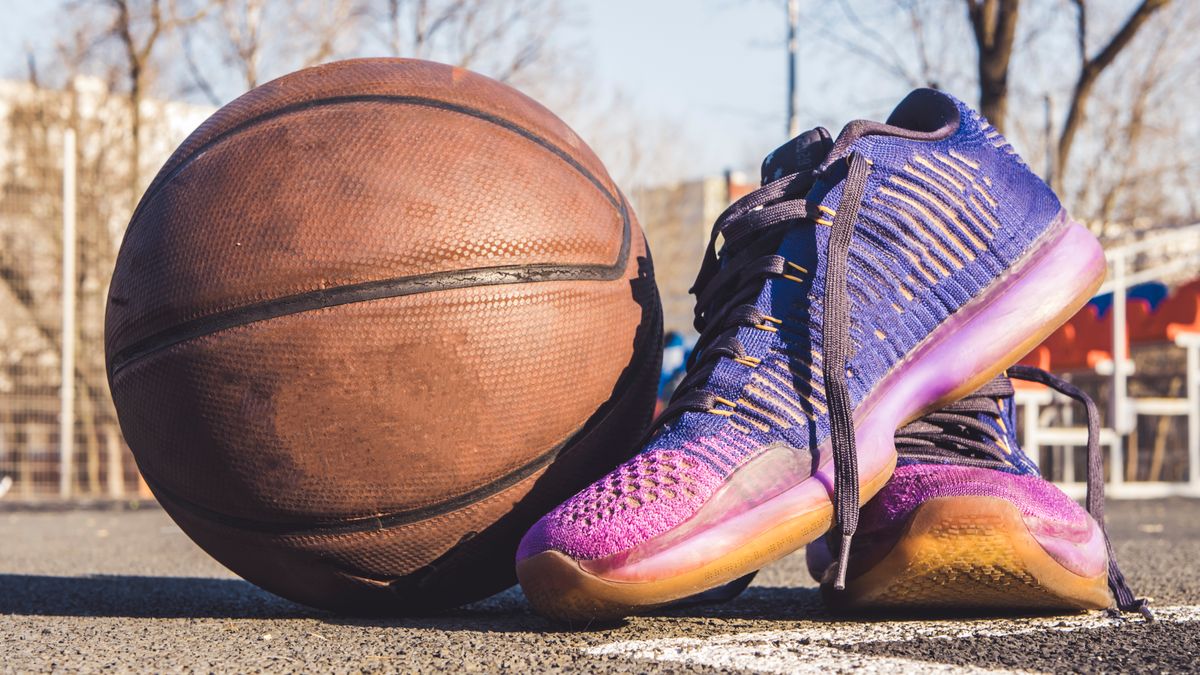
Basketball shoes come in three cuts. High tops cover the ankle and feel the most supportive, low tops are the lightest and allow the most movement, and mid tops sit in between. The right choice depends on your position, how you play and what feels stable to you. Fit, cushioning and traction matter at least as much as collar height.
In this guide
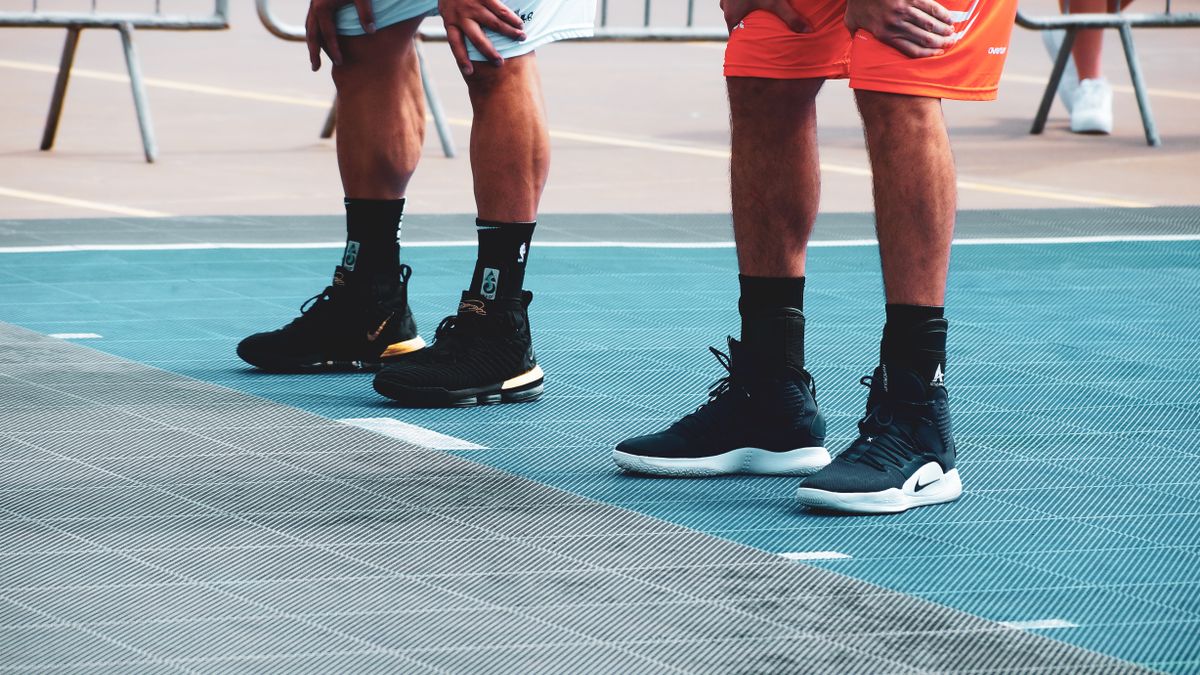
High, mid and low tops compared
| Type | Collar | Feel | Often chosen by |
|---|---|---|---|
| High top | Above the ankle bone | Most coverage and a locked-in feel; heavier | Forwards, centres, players who want a secure feel around the ankle |
| Mid top | At the ankle bone | Balance of support and freedom | All-round players |
| Low top | Below the ankle bone | Lightest, most mobile | Guards and quick players who cut and change direction a lot |
Research has not clearly shown that high tops prevent ankle sprains on their own. A stable base, good fit and ankle strength appear to matter more, which is why many professionals now play in low tops. If you have a history of ankle injuries, ask a physiotherapist about bracing or taping.
What makes a basketball shoe different
- Traction: herringbone or multi-directional rubber patterns grip the court for hard stops and cuts.
- Cushioning: foam, air or gel units absorb the impact of jumping and landing.
- Lateral support: a wide, flat base and reinforced sides stop the foot rolling over the edge of the sole.
- Lockdown: lacing, straps and a firm heel counter hold the foot in place.
- Torsional stiffness: a shank in the midfoot keeps the shoe from twisting.
Running shoes lack most of these features and are a poor choice for the court; see training shoes vs running shoes.
Choosing by playing style
- Quick guards: light, low to the ground, responsive cushioning, strong traction.
- Wings and all-round players: balanced cushioning and support, mid or low cut.
- Big players and heavy landers: maximum cushioning and a stable, supportive build.
- Outdoor courts: a harder, more durable rubber outsole with thick tread. Soft indoor rubber wears out quickly on concrete.
Related: Best Shoes for Bunions in 2027: 6 Roomy, Soft Picks
How should basketball shoes fit?
- About a thumb’s width between your longest toe and the end of the shoe.
- Snug through the midfoot, with no side-to-side sliding when you cut.
- No heel lift when you rise onto your toes.
- Try them late in the day with your game socks, and do a few jumps and lateral shuffles.
Measure both feet first; see how to measure your shoe size and shoe widths explained.
How to lace basketball shoes
- Standard criss-cross works for most players. Tighten evenly from the toes up.
- Heel lock: use the top two eyelets to make a loop on each side, cross the laces through the opposite loops and pull down. This stops heel slip.
- Skip an eyelet over any spot where the laces press on the top of your foot.
- Lace to the top eyelet on high and mid tops for full support, and double-knot or tuck the ends so they cannot come undone mid-game.
More knot options are in how to tie shoes.
How to clean basketball shoes
- Remove the laces and insoles.
- Brush off dry dirt, then scrub the uppers with a soft brush and warm water with a little mild soap.
- Clean the outsole grooves with an old toothbrush. Dust in the tread is the main cause of lost grip.
- Wipe with a damp cloth, stuff with paper and air dry away from heat. See how to dry shoes.
For grip during a game, wipe the soles with a damp towel or your hand to remove dust. Keep indoor shoes for indoor courts only.
White pairs benefit from the tips in how to clean white shoes, and odour is covered in how to get rid of shoe odor.
When to replace them
- The tread is worn smooth and you slide on clean courts.
- The cushioning feels flat or your knees and feet ache after playing.
- The upper has stretched and no longer holds your foot.
Players on court several times a week often need a new pair every few months; casual players can get a season or more.
Frequently asked questions
Are high tops better for your ankles?
They feel more secure, but evidence that they prevent sprains is limited. Fit, a stable sole and ankle strength are more important.
Can I wear basketball shoes for everyday use?
Yes, but pavement wears the soft outsole quickly, which reduces grip on court. Keep a separate pair for playing if you can.
Can I play basketball in running shoes?
It is not recommended. Running shoes lack lateral support and court traction, which raises the risk of rolling an ankle.
How tight should basketball shoes be?
Snug enough that your foot does not slide in any direction, with room for your toes to move.