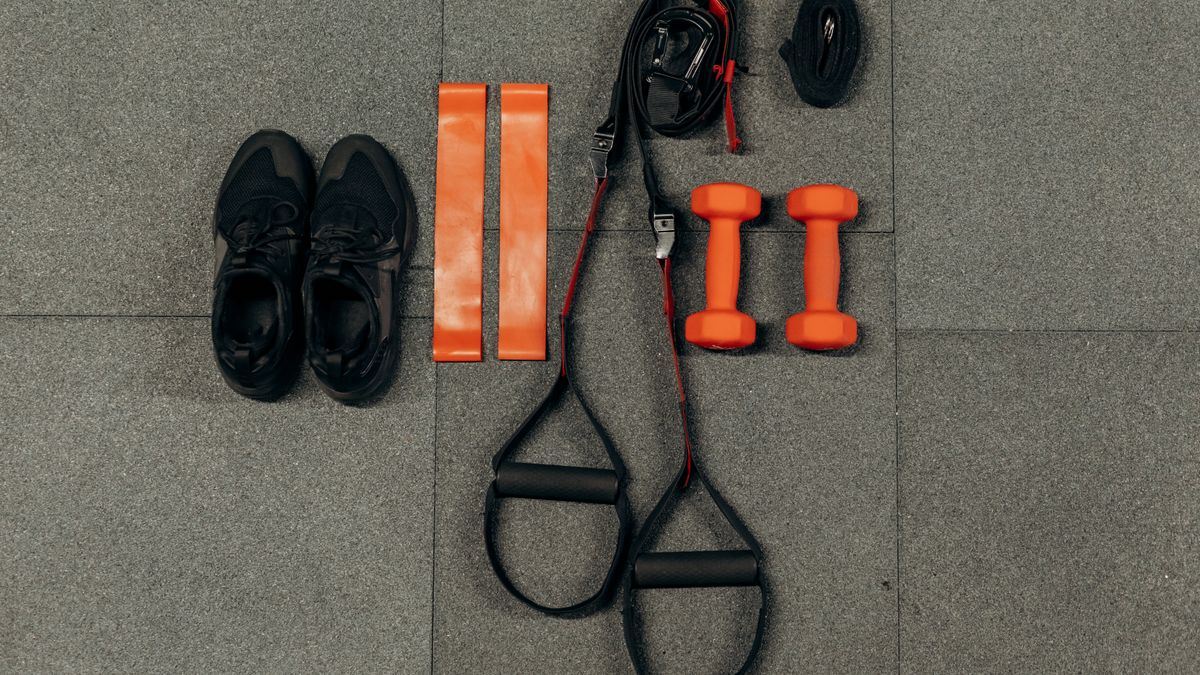
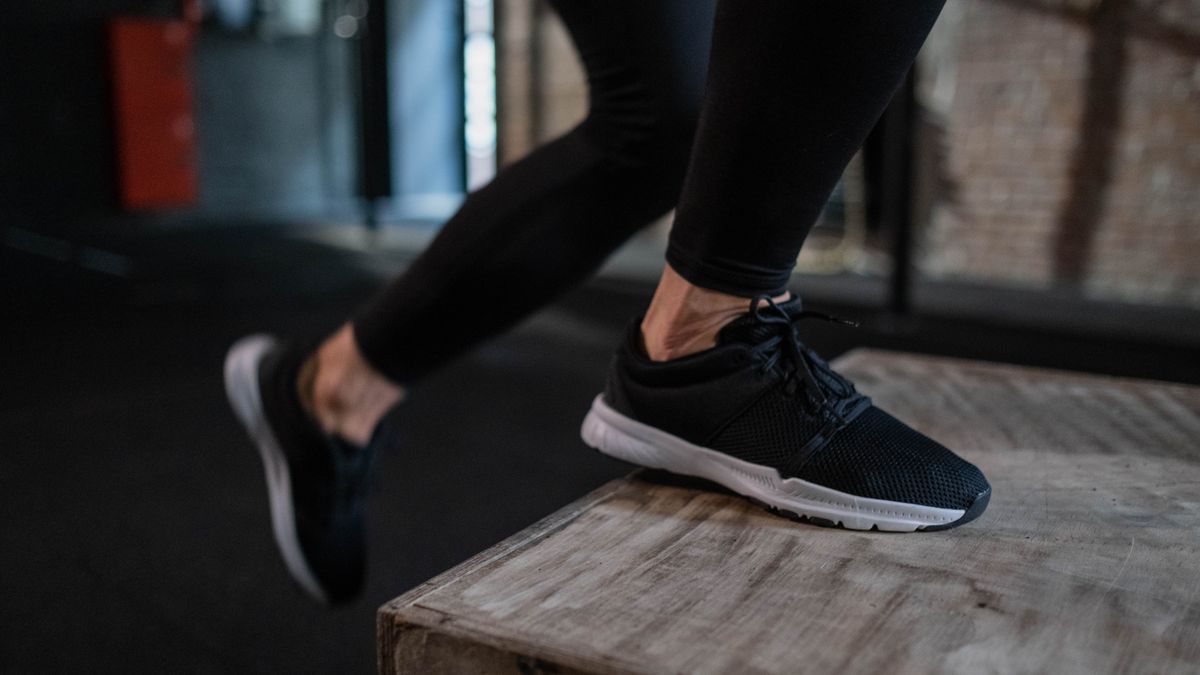
Training shoes, also called cross trainers, are built for gym work: lifting, jumping, short sprints, agility drills and classes. They have a flatter, firmer sole and stronger sides so your foot stays stable when you move in any direction. Running shoes are built for one thing, repeated forward strides, so they are lighter, more cushioned and usually higher at the heel.
In this guide
Training shoes vs running shoes
| Feature | Training shoes | Running shoes |
|---|---|---|
| Designed for | Multi-directional movement, lifting, jumping | Forward, heel-to-toe motion |
| Sole | Flatter, wider, firmer | Thicker, softer, often curved |
| Heel-to-toe drop | Low, roughly 0 to 6 mm | Often 6 to 12 mm |
| Cushioning | Moderate and firm, for stability | Plenty, for impact absorption |
| Side support | Reinforced for lateral moves | Minimal |
| Flexibility | Flexible forefoot, stable heel | Flexes along the length of the shoe |
| Durability features | Tough uppers, sometimes rope-climb guards | Light mesh |
When to wear training shoes
- Weight training, especially squats, deadlifts and lunges
- HIIT and circuit classes
- CrossFit-style workouts
- Agility drills, box jumps and skipping
- Short treadmill warm-ups or sprints within a gym session
When to wear running shoes
- Any run longer than about a mile
- Road, treadmill or trail running
- Long walks
Can you run in training shoes?
For short distances, yes: warm-up jogs, sprints and the running sections of a gym workout. For regular runs they are a poor choice. They have less cushioning and are heavier and stiffer, so your legs take more impact over distance.
Related: What Are Tennis Shoes? Court Types, Fit and Features
Can you lift or do classes in running shoes?
You can, but it is not ideal. The soft, tall foam of a running shoe compresses under a heavy barbell, which makes you less stable in squats and deadlifts. In side-to-side movements the foot can roll over the edge of a narrow, soft sole, which raises the risk of a turned ankle. If you only walk on a treadmill and use machines, running shoes are fine.
Do you need special shoes for CrossFit or lifting?
- CrossFit and mixed workouts: a training shoe with a firm heel, flexible forefoot and durable upper covers lifting, jumping and short runs in one session.
- Serious weightlifting: dedicated lifting shoes have a hard, raised heel and are only for lifting.
- General gym use: any stable, flat-soled training shoe is enough.
What to look for when buying training shoes
- Stable heel: press on it; it should not squash easily.
- Wide, flat base for balance.
- Secure midfoot so your foot does not slide during side steps.
- Flexible forefoot for lunges and planks.
- Grippy rubber outsole suited to gym floors.
- Fit: snug at the heel and midfoot with room for your toes to spread. Fit principles are the same as in how running shoes should fit, though training shoes are usually worn a little closer-fitting.
Do you need both?
If you both run regularly and train in the gym, yes. Each shoe lasts longer when it is used for what it was made for, and you get stability where you need it and cushioning where you need it. If you only do one activity, buy for that one.
How your foot rolls when it lands also affects running shoe choice; see what pronation is.
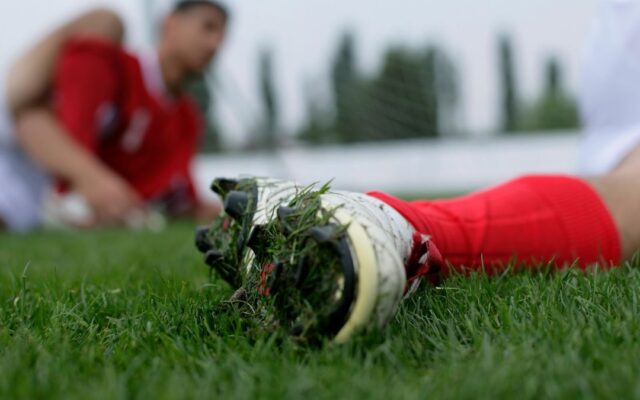
Some sports need their own footwear altogether. See what wrestling shoes are and what soccer cleats are.
Indoor cycling needs different footwear again. See how cycling shoes should fit.
For everyday walking, a dedicated pair is more comfortable; see the best walking shoes.
Frequently asked questions
Are training shoes good for walking?
They are fine for everyday walking and gym use. For long walks, running or walking shoes are more comfortable because they have more cushioning.
Are cross trainers and training shoes the same?
Yes. The terms are used interchangeably for shoes made for varied gym workouts.
How long do training shoes last?
With three or four gym sessions a week, roughly 6 to 12 months, or until the sole compresses or the upper loses support.
Should training shoes be tight?
Snug, not tight. Your heel should not lift and your foot should not slide sideways, but your toes need room to spread.