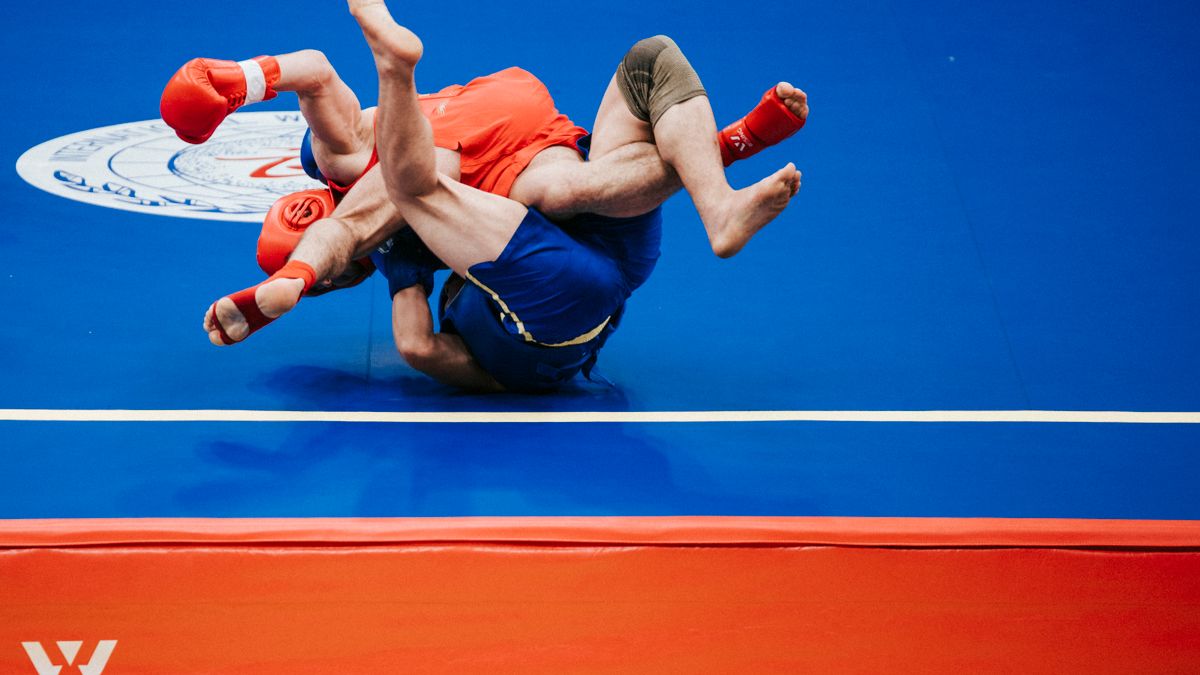
Wrestling shoes are lightweight, flexible, high-top shoes with a thin rubber sole made for grip on a wrestling mat. They let you feel the mat, move in any direction and drive off your toes, while supporting the ankle and keeping the mat clean. They are quite different from trainers, which are thicker, heavier and less grippy on a mat surface.
In this guide
What makes a wrestling shoe different
| Feature | Wrestling shoe | Regular trainer |
|---|---|---|
| Sole | Thin, flat, grippy rubber that wraps up the sides | Thick cushioned foam |
| Weight | Very light | Heavier |
| Height | High-top, covers the ankle | Usually low-cut |
| Flexibility | Bends easily at the forefoot | Stiffer |
| Fit | Snug, sock-like | Roomier |
| Laces | Covered by a strap or “lace garage” | Exposed |
What are wrestling shoes for?
- Traction: grip in every direction for shots, sprawls and pushing off the mat.
- Mat feel: a thin sole keeps you low and balanced.
- Ankle support: the high cut helps stabilise the ankle during twisting movements.
- Hygiene: shoes worn only on the mat help keep it clean and reduce the spread of skin infections.
- Rules: competitions generally require wrestling shoes, with laces secured or covered so they cannot come undone.
Types of wrestling shoes
Split sole
The sole is in two parts, under the forefoot and the heel, with a flexible gap in the middle. Split-sole shoes are lighter and more flexible, which suits fast, agile wrestlers who rely on speed and movement.
Unisole (full sole)
One continuous rubber sole from toe to heel. Unisole shoes give more grip and durability and a more stable base, which suits wrestlers who rely on power and pressure, and they tend to last longer.
Uppers
Most modern shoes use breathable mesh with synthetic leather overlays. Leather and suede uppers are tougher but warmer. Youth shoes often use hook-and-loop straps.
Related: How Long Should You Wait After Eating to Run?
How should wrestling shoes fit?
- Snug all round, like a firm sock, with your toes close to the end but lying flat, not curled.
- No heel slip and no sliding inside the shoe when you change direction.
- Sizing: many brands run small and narrow, so wrestlers often go up half a size from their trainer size. Check the brand’s chart.
- For growing children, avoid buying far too big; a loose shoe reduces grip and control.
- Try them with thin athletic socks.
Measure your feet first with our shoe size guide.
Can you wear wrestling shoes for other activities?
- Boxing and other combat sports: often, yes, as the demands are similar, though boxing shoes are usually taller.
- Weightlifting: some lifters like them for deadlifts because the sole is thin and flat.
- Running or everyday wear: no. There is almost no cushioning, and wearing them outside ruins the sole and brings dirt back to the mat. For gym footwear, see what training shoes are.
How to look after wrestling shoes
- Wear them only on the mat. Carry them to practice and put them on there.
- Wipe the soles before stepping on the mat, and wipe the shoes down with a disinfectant wipe after training.
- Loosen the laces and air them out after every session; do not leave them sealed in a gym bag. See how to get rid of shoe odor.
- Hand wash with mild soap and air dry when needed. Avoid the tumble dryer; see how to dry shoes.
- Replace them when the sole has worn smooth or starts to peel.
A brief history
Wrestling is one of the oldest sports, and for most of its history it was practised barefoot. Dedicated shoes arrived with modern organised wrestling and indoor mats in the twentieth century, starting as simple leather high-tops and evolving into the light, mesh, rubber-soled designs used today.
Frequently asked questions
Do you need wrestling shoes to wrestle?
For organised practice and competition, yes. They give grip, protect your ankles and are usually required by the rules.
Split sole or unisole: which is better?
Split soles are lighter and more flexible; unisoles are grippier and more durable. Beginners do well with either, and many start with a unisole for durability.
Should wrestling shoes be tight?
Snug, yes, with little spare room, but your toes should not be bent or painful.
How long do wrestling shoes last?
Typically one to two seasons with regular training, longer if they are only worn on the mat.