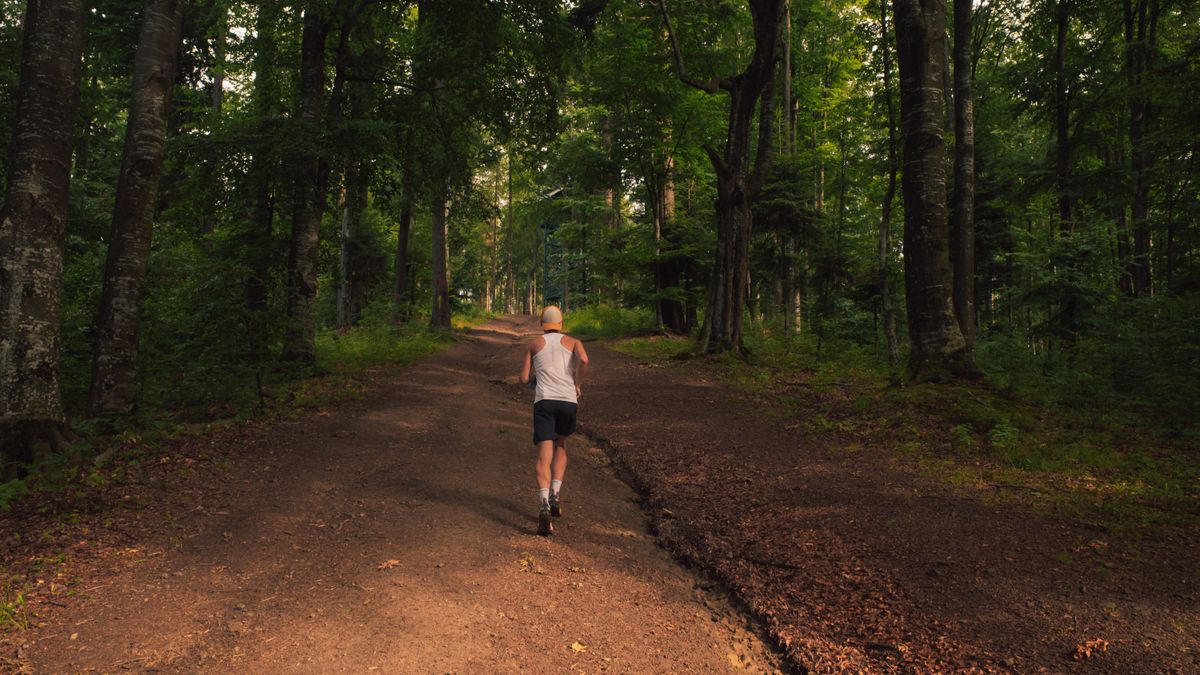
The best trail running shoe for most runners in 2026 is a versatile all-rounder such as the Saucony Peregrine 16 or Brooks Cascadia 19: grippy enough for loose and wet ground, protective underfoot and still comfortable on smooth paths. For long, rocky days the Hoka Speedgoat 7 adds cushioning, the Altra Lone Peak 9+ gives a wide, zero-drop fit, and the Salomon Speedcross 6 is the specialist for mud.
In this guide
Picks are based on published specifications and independent reviews, not our own testing. Fit varies a lot between brands, so try before committing to long runs.
Quick picks
| Shoe | Best for | Character |
|---|---|---|
| Saucony Peregrine 16 | Best all-rounder | Light, agile, grippy |
| Brooks Cascadia 19 | Stability and durability | Protective, steady |
| Hoka Speedgoat 7 | Long distances on rough ground | High cushion, sticky outsole |
| Altra Lone Peak 9+ | Wide toe box, natural feel | Zero drop, moderate cushion |
| Salomon Speedcross 6 | Mud and soft ground | Deep lugs, snug fit |
| Brooks Caldera 8 | Maximum cushioning | Soft, wide platform |
| ASICS Gel-Venture 10 | Budget and beginners | Simple, durable |
Related: How Do Bowling Shoes Work? Slide Soles, Rentals and Fit
The 7 best trail running shoes
1. Saucony Peregrine 16
Best for: runners who want one shoe for most trails
A long-running favourite that balances low weight with real grip and a rock plate for protection. It feels nimble on twisty singletrack and has enough cushioning for a couple of hours.
- Good: light, grippy, protective, good value
- Less good: firmer than max-cushion shoes on very long runs
2. Brooks Cascadia 19
Best for: newer trail runners and rocky routes
The Cascadia is built for stability, with a supportive platform, a rock shield and a tough upper. It doubles well as a light hiking shoe.
- Good: stable, durable, protective, wide fit available
- Less good: heavier and less lively than the Peregrine
3. Hoka Speedgoat 7
Best for: long runs, ultras and technical terrain
Thick cushioning protects tired legs, while a Vibram Megagrip outsole with deep lugs holds on wet rock and loose descents. It is one of the most popular ultra-distance shoes.
- Good: cushioned, outstanding grip, wide sizes
- Less good: tall stack feels less precise; narrow-ish in standard width
4. Altra Lone Peak 9+
Best for: wide feet and runners who like a flat platform
A foot-shaped toe box lets toes spread on descents, and the zero-drop sole keeps heel and forefoot level. The plus version uses a Vibram outsole for better wet grip. It is also a favourite with long-distance hikers.
- Good: roomy toe box, natural feel, good grip
- Less good: zero drop needs a gradual transition; upper durability is average
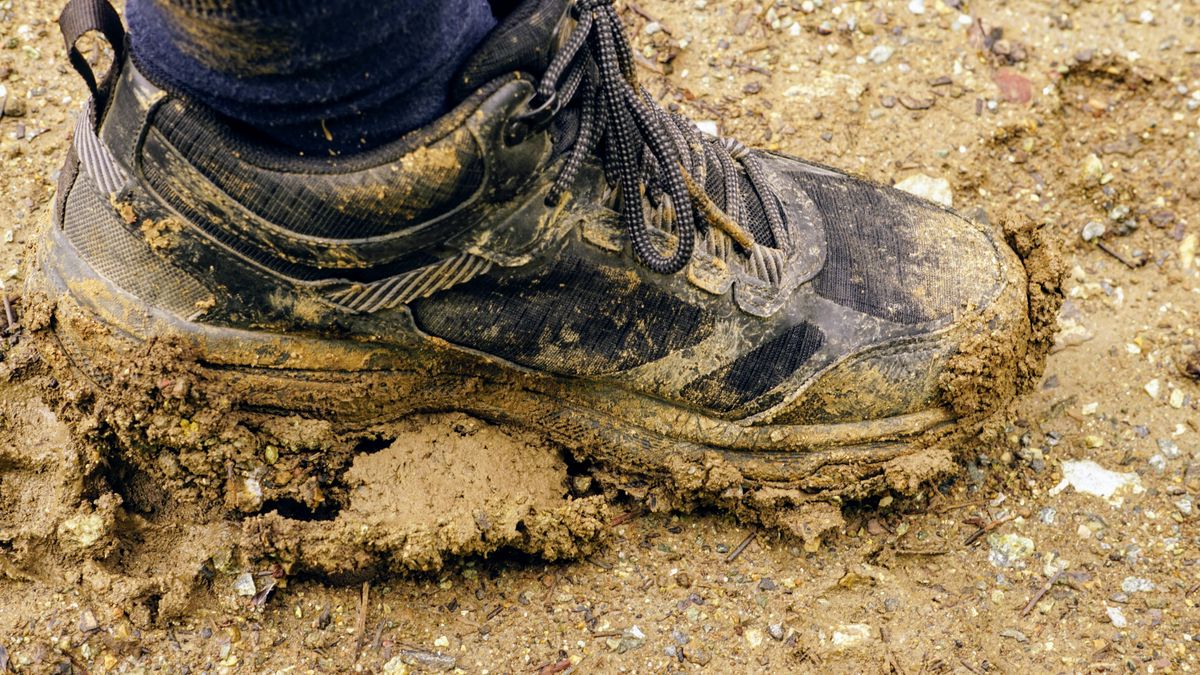
5. Salomon Speedcross 6
Best for: mud, wet grass and soft ground
Aggressive chevron lugs bite into soft surfaces and shed mud, and the quick-pull lace and snug fit lock the foot in. It is less comfortable on hard-packed trails and roads.
- Good: best grip in mud, secure fit, tough
- Less good: narrow; lugs wear quickly on pavement; high heel
6. Brooks Caldera 8
Best for: easy long runs and heavier runners
A max-cushion trail shoe with a soft, wide base that smooths out gravel and rolling trails. It is best on moderate terrain rather than steep, technical ground.
- Good: very cushioned, stable base, comfortable upper
- Less good: bulky; less agile on technical trails
7. ASICS Gel-Venture 10
Best for: trying trail running without spending much
A basic, durable shoe with heel gel cushioning and a lugged outsole that copes with park paths, gravel and dry trails. It also works as an everyday walking shoe.
- Good: low price, durable, comfortable
- Less good: heavier; limited grip in mud or on wet rock
How to choose trail running shoes
- Terrain. Hard-packed and gravel: lugs of 3 to 4 mm. Mixed: 4 to 5 mm. Mud: 5 mm or more.
- Cushioning. More for long distances and rocky ground; less for short, fast runs and better ground feel.
- Protection. Rock plates and toe bumpers matter on stony trails.
- Drop. If you are used to road shoes with a raised heel, move to low or zero drop gradually.
- Fit. Secure at heel and midfoot, with toe room for descents; see how running shoes should fit.
- Waterproof versions keep out puddles but drain slowly once flooded; mesh is better in warm weather.
New to running? Start with the best running shoes for beginners. For racing on grass and mud, see cross country shoes vs running shoes. Carrying a pack? Compare the best hiking boots, and pair either with the best hiking socks. After muddy runs, see how to wash shoes.
Frequently asked questions
Can I use trail running shoes on the road?
Yes for short stretches. On long road runs the lugs wear faster and the ride feels firmer than a road shoe.
Are trail running shoes good for hiking?
Yes. Many hikers prefer them for their low weight, especially with a light pack. Boots give more ankle coverage and support under heavy loads.
Do I need waterproof trail shoes?
Only in cold, wet conditions. In warm weather, breathable mesh that drains and dries quickly is usually more comfortable.
How long do trail running shoes last?
Typically 300 to 500 miles. Rocky terrain and road use shorten the life of the lugs.