Water shoes are lightweight shoes made to be worn in and around water. They protect your feet from sharp rocks, shells, hot sand and slippery surfaces, grip wet ground better than bare feet or flip flops, and drain and dry quickly. They are useful for rocky beaches, river walks, kayaking, paddleboarding, water parks and boat decks.
In this guide
What are water shoes good for?
- Rocky or shelly beaches and tide pools
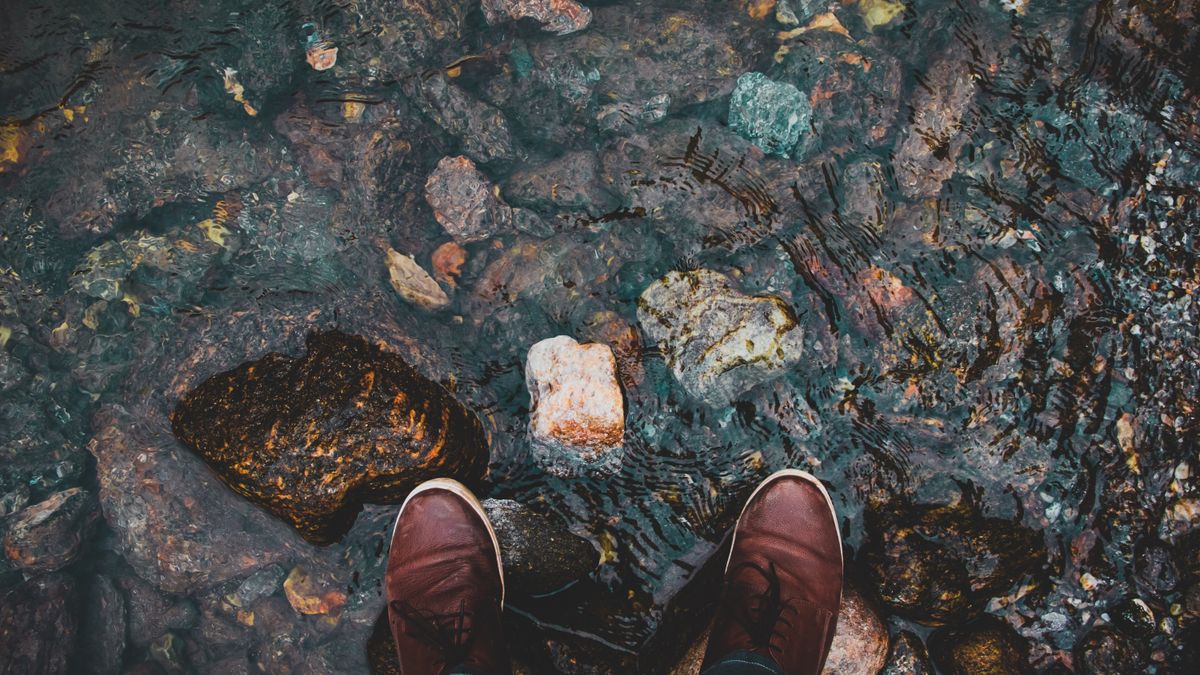
- Rivers, lakes and waterfalls, where the bottom is uneven and slippery
- Kayaking, canoeing, rafting and paddleboarding
- Snorkelling from shore and walking over reef flats (without stepping on living coral)
- Water parks, pool decks and public showers
- Boating and fishing
- Hikes with stream crossings
Types of water shoes
| Type | Description | Best for |
|---|---|---|
| Aqua socks | Thin, stretchy upper with a flexible rubber sole | Swimming, pools, sandy beaches, paddleboarding |
| Mesh water shoes | Sneaker-like, with drainage holes and a thicker sole | Rocky beaches, rivers, kayaking |
| Water sandals | Open design with webbing straps and a grippy sole | Rafting, casual hiking with water crossings, travel |
| Amphibious hiking shoes | Sturdy drainage shoes with toe protection and a lugged sole | Wet hikes, canyon walks, fishing |
| Neoprene booties | Insulating wetsuit material, often with a zip | Cold water, surfing, diving, winter paddling |
Key features to look for
- Drainage: mesh panels or holes in the upper and sole so water escapes.
- Quick-drying materials: synthetic mesh and EVA foam that do not hold water.
- Grippy outsole: soft rubber with fine grooves (siping) for wet rock and boat decks.
- Toe protection: a rubber bumper for rocky ground.
- Secure closure: elastic laces, a strap or a snug collar so the shoe stays on in current.
Related: Best Trail Running Shoes of 2026: 7 Picks for Any Terrain
How should water shoes fit?
- Snug, like a glove. Shoes loosen slightly when wet, and a loose shoe fills with water and comes off.
- Your toes should reach near the end without curling.
- They are usually worn without socks. For long walks, thin synthetic or neoprene socks reduce rubbing.
- If you are between sizes, most people do better with the smaller size in aqua socks and the usual size in mesh shoes. Check the brand’s guidance.
Measure your feet with our shoe size guide.
Can you hike in water shoes?
For short, easy walks and routes that are mostly in water, yes. For longer hikes they fall short of hiking shoes: thin soles let you feel every stone, there is little cushioning or ankle support, and grit gets in through the drainage holes. For hikes with long dry sections and several crossings, amphibious hiking shoes or supportive water sandals are the better choice. Carrying water shoes to change into at crossings is another option.
Water shoes vs sandals vs barefoot
- Barefoot: fine on clean sand, but no protection from rocks, glass, shells or hot surfaces.
- Flip flops: slip off in water and give no grip on wet rock.
- Water sandals: good grip and airflow, but stones get under the foot and toes are exposed.
- Water shoes: the most protection and the most secure fit in moving water.
How to care for water shoes
- Rinse with fresh water after every use to remove salt, chlorine and sand.
- Take out the insoles and dry everything fully in the shade. Sun and heat degrade rubber and glue; see how to dry shoes.
- Wash occasionally with mild soap. Many pairs can be hand washed like sandals; see how to clean sandals and flip flops.
- Never store them damp, which leads to smell and mildew; see how to get rid of shoe odor.
Prefer an open design? See the types of sandals, including sport and water sandals.
Frequently asked questions
Do you wear socks with water shoes?
Usually not. Thin synthetic or neoprene socks can help on long walks or in cold water. Avoid cotton, which holds water.
Can you swim in water shoes?
Yes. Thin aqua socks are best for swimming; bulkier shoes add drag.
Are water shoes worth it?
If you spend time on rocky shores, in rivers or on paddle craft, yes. They are inexpensive and prevent most cuts and slips.
Should water shoes be tight or loose?
Snug. A loose water shoe fills with water and can be pulled off by waves or current.