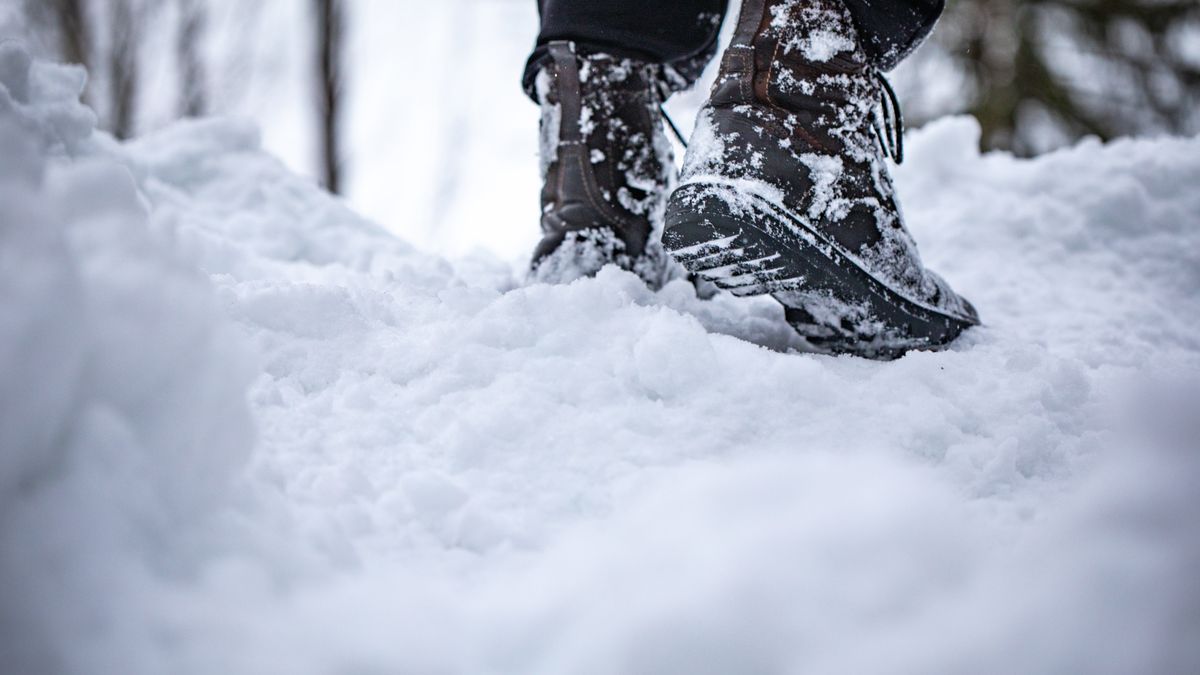
The best winter boots keep your feet warm, dry and upright on ice. For deep snow and long periods standing in the cold, a pac boot with a removable liner such as the Sorel Caribou is the classic choice. For everyday winter wear, The North Face Chilkat V 400 and Columbia Bugaboot III are lighter and easier to walk in, and for slush and mud a neoprene slip-on like the Muck Boot Arctic Sport II is hard to beat.
Picks are based on published specifications and independent reviews, not our own testing. Temperature ratings are manufacturer estimates and assume you are moving.
Quick picks
| Boot | Best for | Insulation |
|---|---|---|
| Sorel Caribou | Deep snow and very cold days | Removable 9 mm felt liner |
| The North Face Chilkat V 400 | Everyday winter wear | 400 g synthetic |
| Columbia Bugaboot III | Value | 200 g synthetic, reflective lining |
| UGG Adirondack III | Warmth with style (women) | Wool blend lining |
| Muck Boot Arctic Sport II | Slush, mud and chores | Neoprene with fleece lining |
| Blundstone Thermal Chelsea | City and travel | Thinsulate, sheepskin footbed |
| Kamik Nation Plus | Budget pac boot | Removable liner |
Related: How to Wear Combat Boots: Outfit Ideas for Any Season
The 7 best winter boots
1. Sorel Caribou
Best for: shovelling, snow days and standing around in real cold
The original pac boot: a waterproof rubber lower, a leather upper and a thick removable felt liner that you can pull out to dry overnight. Men’s and women’s versions are available.
- Good: very warm, fully waterproof lower, liner dries quickly
- Less good: heavy and bulky; clumsy for driving or long walks
2. The North Face Chilkat V 400
Best for: daily winter use from commuting to light hiking
A leather and rubber boot with 400 grams of synthetic insulation and a grippy winter outsole. It walks more like a hiking boot than a pac boot.
- Good: warm for its weight, comfortable to walk in, good grip
- Less good: shorter shaft lets in deep snow without gaiters
3. Columbia Bugaboot III
Best for: solid protection at a moderate price
A waterproof leather and nylon boot with 200 grams of insulation and a reflective lining that returns body heat. It suits active use in typical winter temperatures.
- Good: good value, light, waterproof
- Less good: not warm enough for standing still in severe cold
4. UGG Adirondack III
Best for: women who want one boot for snow and for town
Waterproof leather, a wool-blend lining and a cold-weather outsole in a boot that looks more refined than most snow boots. The cuff can be worn up or folded down.
- Good: warm, light, stylish, grippy
- Less good: expensive; women’s sizing only
5. Muck Boot Arctic Sport II
Best for: wet snow, slush, mud and outdoor work
A pull-on boot with a rubber shell over thick neoprene and a fleece lining. It is completely waterproof up the shaft and easy to hose clean.
- Good: totally waterproof, warm, quick on and off
- Less good: does not breathe; loose fit is poor for long walks
6. Blundstone Thermal Chelsea
Best for: cold, wet cities and travel
The familiar elastic-sided boot in waterproof leather with Thinsulate insulation and a removable sheepskin footbed. It looks at home indoors and handles pavements and light snow.
- Good: smart looks, waterproof, easy slip-on
- Less good: low shaft; tread is not made for deep snow or sheer ice
7. Kamik Nation Plus
Best for: occasional snow on a small budget
A traditional pac boot with a removable liner and waterproof rubber lower at a much lower price than premium brands.
- Good: affordable, warm, removable liner
- Less good: heavier; less refined fit and durability
How to choose winter boots
- Match warmth to activity. Standing still needs far more insulation than walking. Around 200 g suits active use; 400 g or a thick liner suits cold, slow days.
- Waterproofing. Rubber lowers and sealed seams matter most in slush. See how to waterproof shoes and the best waterproofing sprays.
- Traction. Look for soft winter rubber and deep lugs. On sheer ice, add slip-on traction cleats. See how to make shoes non-slip.
- Height. Taller shafts for deep snow; ankle height for cleared pavements.
- Fit. Leave room for warm socks without squeezing your toes, since tight boots are cold boots. See how boots should fit.
Related: what duck boots are, the best hiking socks for warmth, and how to dry shoes after a wet day. For salt stains, see how to clean leather boots.
Frequently asked questions
What is the warmest type of winter boot?
Pac boots with thick removable liners and expedition boots are the warmest. They are also the heaviest.
How many grams of insulation do I need?
About 200 g for active use in moderate cold, 400 g for colder or less active days, and 600 g or more for extreme cold or sitting still.
Should winter boots be a size bigger?
Often half a size up, to fit thicker socks and leave a little air around the toes for warmth.
Are hiking boots good in snow?
Waterproof hiking boots work for cleared trails and light snow with warm socks. For deep snow or long cold exposure, insulated boots are better.