To clean leather boots, let any mud dry and brush it off, wipe the leather with a damp cloth and saddle soap or mild soap, remove salt stains with equal parts white vinegar and water, and let the boots air dry away from heat. Finish with leather conditioner so the leather does not dry out and crack.
In this guide
What you need
- A horsehair or soft-bristle brush, plus an old toothbrush for the welt
- Two or three soft cloths
- Saddle soap, leather cleaner or mild dish soap
- White vinegar for salt stains
- Leather conditioner
- Plain paper or boot trees
The basic clean: step by step
- Remove the laces so you can reach the tongue and eyelets. Wash or replace them.
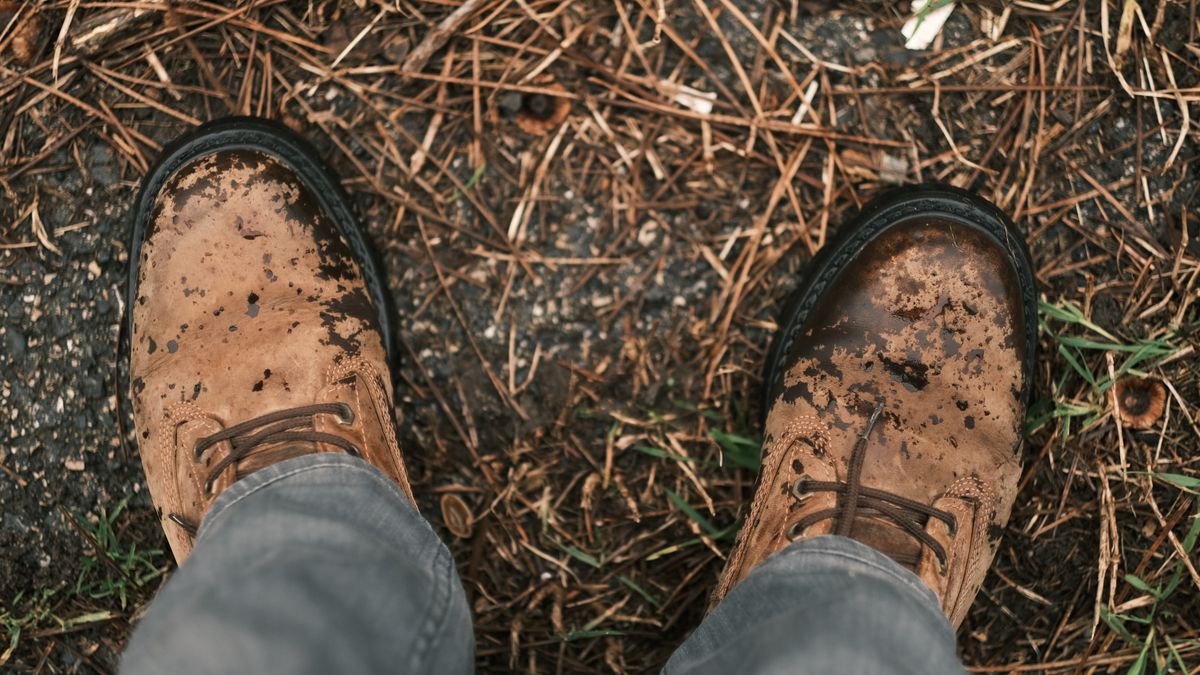
- Brush off dry dirt. If the boots are muddy, let the mud dry first; wet mud smears into the grain. Use the toothbrush along the welt, where the upper meets the sole.
- Clean the leather. Dampen a cloth, work up a light lather with saddle soap, and rub the boot in small circles. Do not soak the leather.
- Wipe off the lather with a clean damp cloth.
- Air dry at room temperature, stuffed with paper, for several hours or overnight. Keep boots away from radiators, fires and heaters.
- Condition. Rub in a thin layer of leather conditioner with a cloth, leave it for 15 to 20 minutes and buff off the excess.
- Polish or waterproof if you want extra protection or shine.
How to treat specific problems
| Problem | What to do |
|---|---|
| White salt lines | Dab with a cloth dipped in equal parts white vinegar and water, wipe with clean water, dry, then condition |
| Scuffs | Buff with a soft cloth and a little conditioner; use matching cream polish for deeper marks |
| Grease or oil | Cover with cornflour or talcum powder overnight, then brush off |
| Water spots | Dampen the whole panel evenly with a cloth, let it dry slowly, then condition |
| Mould or mildew | Wipe with equal parts white vinegar and water, dry thoroughly in moving air, then condition |
Related: How to Lace Boots: 6 Lacing Techniques for a Better Fit
Cleaning by leather type
- Smooth, full-grain leather: follow the routine above.
- Oiled or waxed leather (many work boots): clean the same way, then use a boot oil or wax-based conditioner to restore the finish.
- Suede and nubuck boots: do not use soap and water. Brush dry and use a suede eraser; see how to clean suede shoes.
- Patent leather: wipe with a damp cloth and buff dry; conditioner is not needed.
Cleaning the inside
- Take out removable insoles and wash or replace them.
- Wipe the lining with a cloth lightly dampened with mild soapy water, then leave to dry fully.
- For odour, leave baking soda inside overnight. More options are in how to get rid of shoe odor.
How often should you clean leather boots?
- After each muddy or salty wear: brush off dirt and wipe down. Salt left on leather dries it out and leaves permanent marks.
- Every month or two with regular wear: full clean and condition.
- Before storing for the season: clean, condition and store with boot trees or paper stuffing in a cool, dry place.
Mistakes to avoid
- Drying boots with direct heat, which cracks leather and loosens soles. See how to dry shoes safely.
- Skipping conditioner after cleaning. Soap removes oils along with dirt.
- Using too much conditioner, which leaves leather greasy and attracts dust.
- Putting leather boots in the washing machine.
Once they are clean, a waterproofing treatment helps keep them that way. See how to waterproof shoes and boots.
Frequently asked questions
Can I use dish soap on leather boots?
A few drops of mild dish soap in water is fine for occasional cleaning. Saddle soap or a leather cleaner is gentler for regular use. Always condition afterwards.
How do I get salt stains out of leather boots?
Dab with a mix of equal parts white vinegar and water, wipe with a clean damp cloth, let the boots dry and apply conditioner.
Should I condition boots after every clean?
After every full clean with soap, yes. A quick wipe-down with a damp cloth does not need it.
Can leather boots get wet?
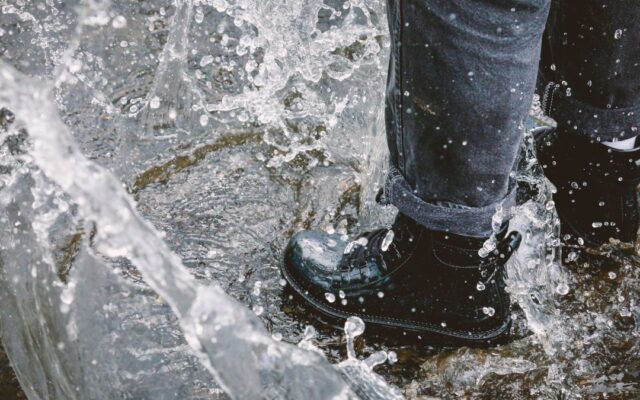
Yes, but they should be dried slowly and conditioned afterwards. Repeated soaking without care makes leather stiff and cracked.