
To clean work boots, remove the laces and insoles, brush off dry dirt, wash the uppers with a damp cloth and a small amount of mild soap or boot cleaner, wipe clean, and let them air-dry at room temperature before conditioning leather and re-waterproofing. Never use a washing machine, a dryer or direct heat, which can crack leather and weaken the glue that holds the sole on.
In this guide
What you need
- Stiff brush for soles and a softer brush for uppers
- Two clean cloths and a bowl of lukewarm water
- Mild soap, saddle soap or a dedicated cleaner (see our best shoe cleaners)
- Leather conditioner or boot oil for leather boots
- Waterproofing spray or wax (see best waterproofing sprays)
- Old newspaper or boot dryer on a no-heat or low setting
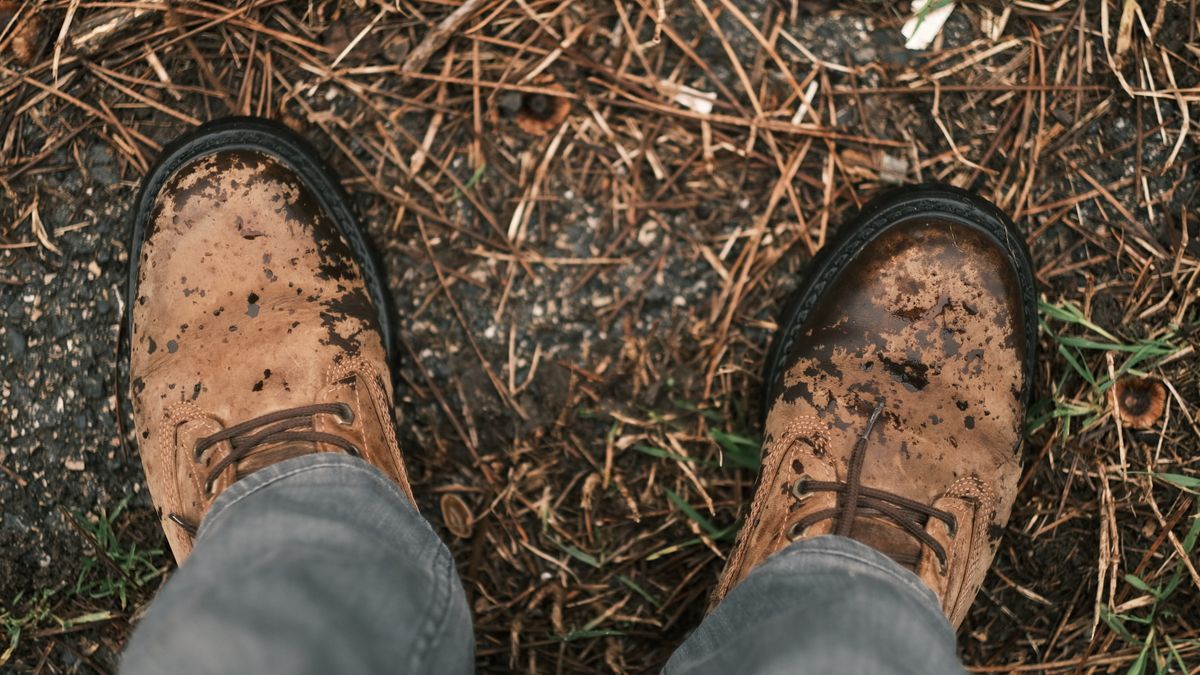
Step-by-step: how to clean work boots
- Prepare. Take out laces and insoles. Knock the soles together outdoors to loosen dried mud.
- Dry brush. Brush the whole boot, paying attention to the welt (the seam where upper meets sole) and the tongue folds. Use a stick or old toothbrush to clear the tread.
- Wash the uppers. Dampen a cloth or soft brush, add a little cleaner and work in small circles. Use as little water as you can; leather should get damp, not soaked.
- Wipe off residue. Go over the boot with a clean damp cloth to remove soap, which can dry leather if left on.
- Clean inside. Wipe the lining with a cloth dampened with water and a drop of mild soap. Wash laces by hand and clean the insoles separately, as described in how to clean insoles.
- Dry slowly. Stuff boots loosely with newspaper and leave them in a ventilated spot away from heaters and direct sun. Change the paper after a few hours. Expect 12 to 24 hours.
- Condition and protect. Once dry, apply conditioner to leather and finish with a waterproofing product suited to the material.
Cleaning by material
| Material | Clean with | Avoid | Aftercare |
|---|---|---|---|
| Full-grain or oiled leather | Damp cloth, saddle soap or leather cleaner | Soaking, dish detergent in quantity, heat | Conditioner or boot oil, then wax or spray |
| Nubuck and suede | Suede brush and eraser; suede cleaner for stains | Regular polish, oils, heavy water | Suede-safe waterproofing spray |
| Synthetic and textile | Soft brush, mild soap and water | Bleach, solvent cleaners | Spray-on water repellent |
| Rubber | Soap and water, hose off | Petroleum-based products | Rubber conditioner if it turns chalky |
| Waterproof membrane boots | Mild soap, rinse the lining with clean water | Wax-heavy products that block breathability | Membrane-safe spray |
Not sure which you have? Leather vs synthetic work boots explains how to tell and how care differs.
Related: How to Shrink Shoes That Are Too Big: What Really Works
How to remove tough jobsite stains
| Stain | What to do |
|---|---|
| Oil and grease | Blot, cover with cornstarch or talc overnight to draw oil out, brush off, then clean as normal |
| Cement and concrete dust | Brush off dry as soon as possible; wipe with a cloth dampened with water and a little white vinegar, then condition, because cement dries leather badly |
| Salt lines | Wipe with equal parts water and white vinegar, then a clean damp cloth |
| Paint (water-based) | Soften with warm soapy water and lift gently with a plastic scraper |
| Tar | Harden with ice, chip off carefully, then treat the residue with leather cleaner |
Test any product on a hidden area first, and follow the workplace rules if boots have been exposed to hazardous chemicals.
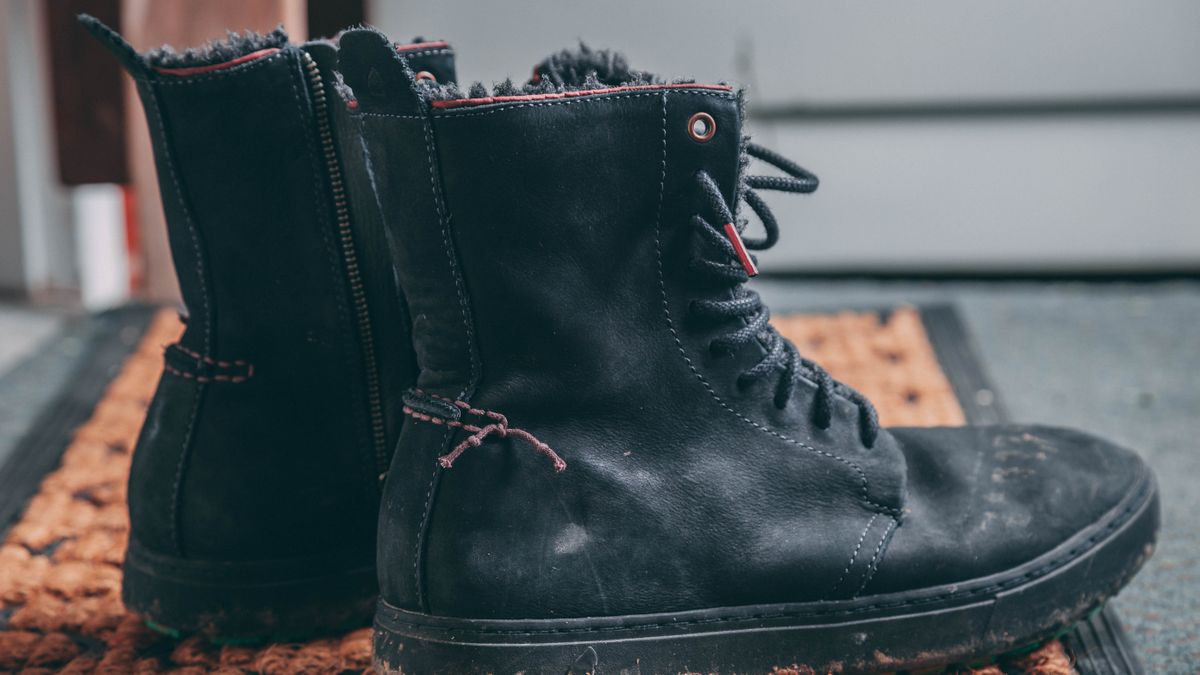
How to deal with smell
Odour comes from sweat trapped in the lining and insole. Dry boots fully between shifts, rotate two pairs if you can, replace worn insoles and use a product from our best shoe deodorizers. A light sprinkle of baking soda left overnight also helps.
How often to clean work boots
| Task | How often |
|---|---|
| Brush off dirt | After each muddy or dusty shift |
| Wipe down uppers | Weekly |
| Full clean | Monthly, or when heavily soiled |
| Condition leather | Every one to three months, more often in dry or cement-heavy work |
| Re-waterproof | When water stops beading on the surface |
Mistakes to avoid
- Putting boots in a washing machine or tumble dryer
- Drying next to a heater, fire or in a hot vehicle
- Over-conditioning, which makes leather too soft and can reduce support
- Leaving cement, fertiliser or chemicals on the leather overnight
- Storing boots wet in a closed bag or locker
Well-kept boots last far longer, and welted pairs can be given new soles; see how to resole shoes. If yours are past saving, start with how to choose work boots, our best steel toe work boots or the best work boots for concrete.
Frequently asked questions
Can you put work boots in the washing machine?
No. Soaking and tumbling damage leather, loosen adhesives and can deform safety toes and shanks. Clean them by hand.
What is the best thing to clean leather work boots with?
Saddle soap or a dedicated leather cleaner with a damp cloth. A small amount of mild soap works in a pinch if you wipe it off fully and condition afterwards.
How do I dry work boots quickly?
Remove the insoles, stuff the boots with newspaper and place them near moving air, such as a fan. A boot dryer on a gentle setting is the fastest safe method.
How often should I condition leather work boots?
Roughly every one to three months, and after any deep clean or exposure to cement, salt or lots of water.
Can I use dish soap on work boots?
A drop diluted in water is fine for synthetic boots and for occasional use on leather, but it strips natural oils, so rinse well and condition leather afterwards.