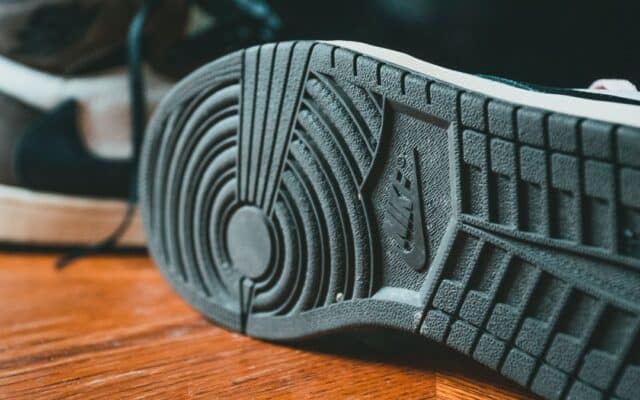
The best work boots for standing on concrete in 2027 are cushioned boots with a flat wedge sole and a supportive footbed, led by the Thorogood American Heritage Moc Toe, with the Timberland PRO Pit Boss as the best-value safety-toe option. Concrete does not flex or absorb impact, so the boot has to do it: look for shock-absorbing midsoles, a wide contact area and enough room for feet that swell over a shift.
In this guide
Picks are based on published specifications and independent reviews, not our own testing. Always confirm the safety rating your employer requires before buying.
Quick picks
| Boot | Toe | Sole | Best for |
|---|---|---|---|
| Thorogood American Heritage 6″ Moc Toe | Soft or steel | Wedge | Best overall comfort on slab |
| Timberland PRO Pit Boss 6″ | Steel | Lug | Best-value safety toe |
| Carhartt 6″ Waterproof Wedge | Soft or steel | Wedge | Wet floors and outdoor slab |
| KEEN Utility San Jose 6″ | Soft or aluminum | Wedge | Wide toes, waterproof |
| CAT Threshold Waterproof | Steel | Lug | Mixed indoor and outdoor sites |
| Ever Boots Tank | Soft | Lug | Tight budgets, no safety toe needed |
| Timberland PRO Titan (women) | Alloy | Lug | Fit designed for women |
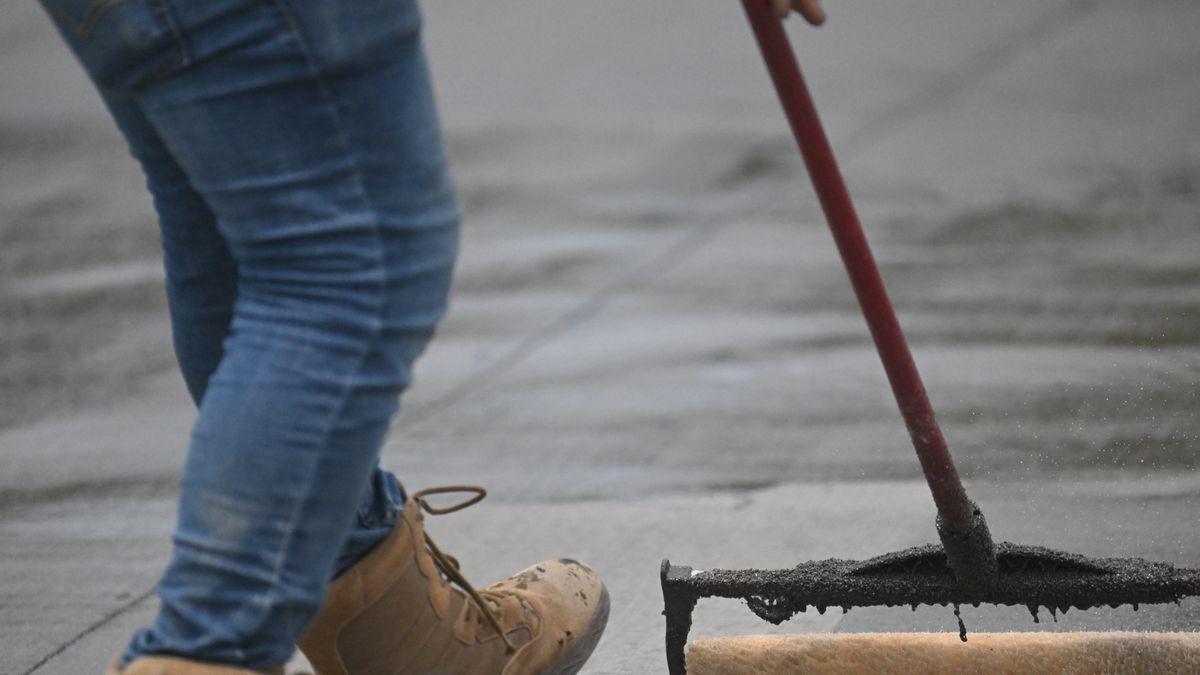
The best work boots for concrete in 2027
1. Thorogood American Heritage 6″ Moc Toe
Best for: tradespeople on flat slab all day
This US-made boot is the one wedge-sole roundups keep putting first. The flat MAXWear wedge outsole spreads your weight across the whole foot instead of concentrating it at heel and ball, and the leather is known for being soft from early on. Goodyear welt construction means a cobbler can replace the sole when it wears out. Soft-toe and steel-toe versions are sold.
- Good: even pressure on flat floors, resoleable, short break-in
- Less good: wedge soles wear faster and grip less on mud or loose ground
2. Timberland PRO Pit Boss 6″
Best for: a dependable steel toe at a moderate price
The Pit Boss is one of the best-selling safety boots for a reason: a roomy steel toe, electrical hazard protection, a slip- and oil-resistant outsole and a cushioned comfort system with a removable footbed. Several recent guides rank it the top overall choice for concrete floors. Swap in a better insole and it competes with far pricier boots.
- Good: good value, roomy toe, widely available in wide sizes
- Less good: heavier than wedge boots; not waterproof
3. Carhartt 6″ Waterproof Wedge
Best for: wet concrete, wash-down areas and outdoor slab
Field and Stream named this its best overall boot for concrete. It pairs a flat wedge sole and cushioned insole with a waterproof breathable membrane, so it suits car washes, loading docks and outdoor pours as well as dry warehouses. Available with a soft or steel toe.
- Good: waterproof, comfortable wedge platform, fair price
- Less good: warm in hot buildings; wedge tread wears with heavy use
4. KEEN Utility San Jose 6″
Best for: workers who need extra toe room
The wide, foot-shaped KEEN toe box is the draw here, along with a cushioned midsole and a low-profile wedge outsole that will not track much dirt. It is waterproof and comes in soft-toe and lightweight aluminum-toe versions. A good match for wide forefeet that feel squeezed in traditional boots.
- Good: roomy toe box, light for a work boot, waterproof
- Less good: softer outsole wears faster on rough surfaces
5. CAT Threshold Waterproof
Best for: sites that mix indoor floors and outdoor ground
A straightforward waterproof steel-toe boot with a cushioned footbed and a lugged, slip-resistant sole that copes with gravel and mud better than a wedge. It is a sensible pick if only part of your day is on concrete.
- Good: versatile traction, waterproof, affordable
- Less good: firmer underfoot than wedge boots; benefits from an upgraded insole
6. Ever Boots Tank
Best for: a low-cost soft-toe boot
The Tank is a regular budget pick in concrete-floor guides. It is a soft-toe leather boot with a cushioned insole and a flexible sole that needs little break-in. There is no safety toe, so it suits warehouse, delivery and DIY work where toe protection is not required.
- Good: inexpensive, comfortable quickly
- Less good: no safety toe; durability below premium boots
7. Timberland PRO Titan (women)
Best for: women who want a boot built on a female-specific last
Rather than a scaled-down version of a boot made for men, the Titan uses a shape designed for women, with a lightweight alloy safety toe and a cushioned footbed. Less weight on each step makes a real difference over a long shift on hard floors.
- Good: fit designed for women, light alloy toe, comfortable from the start
- Less good: not waterproof in all versions; check the listing
Related: What Shoes Do Nurses Wear? A Guide for Long Shifts
Wedge sole or heeled lug sole?
| Wedge sole | Heeled lug sole | |
|---|---|---|
| Contact with flat floors | Full length, even pressure | Heel and forefoot only |
| Comfort standing on concrete | Best | Good with strong cushioning |
| Grip on mud, gravel, ladders | Weaker | Best |
| Sole life | Shorter, but often resoleable | Longer |
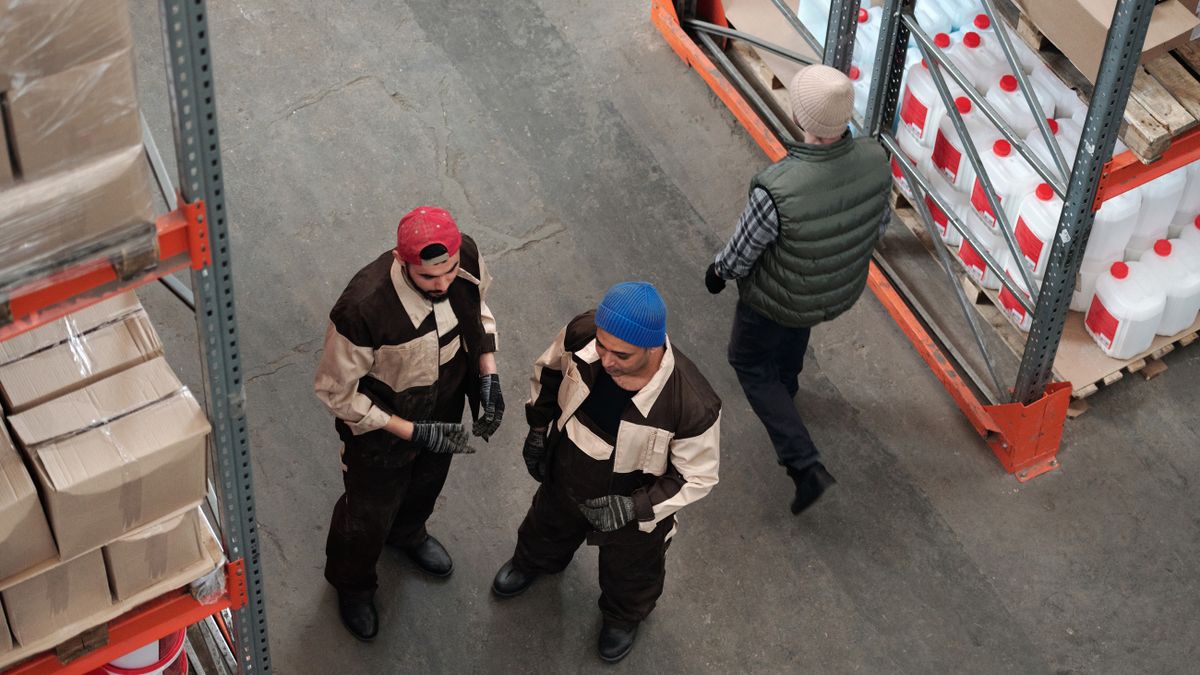
How to choose boots for concrete
- Cushioning: look for a thick EVA or polyurethane midsole. Polyurethane lasts longer; EVA is lighter.
- Insole: stock insoles are often thin. An upgrade from our best insoles for standing all day is the cheapest comfort improvement.
- Safety toe: composite and alloy toes are lighter than steel. Compare options in best steel toe work boots.
- Fit: try boots on late in the day with work socks. See how to choose work boots for the full process.
- Upper material: leather vs synthetic work boots explains the trade-offs.
- Slippery floors: if oil or water is common, check our best slip-resistant work shoes.
- Break-in and upkeep: follow how to break in shoes, and consider resoling welted boots instead of replacing them.
More on why hard floors hurt in walking on concrete: shoes and foot pain.
Frequently asked questions
Are wedge sole boots better for concrete?
For standing and walking on flat, hard floors, usually yes. The flat sole spreads weight evenly and reduces pressure points. On mud, gravel or ladders a heeled lug sole grips better.
Why do my feet hurt after working on concrete?
Concrete does not absorb impact, so the force of each step travels into your feet and legs. Worn-out midsoles, thin insoles and boots that are too tight make it worse. If pain continues despite good boots, see a podiatrist.
Do insoles really help in work boots?
Yes. A supportive, cushioned insole is often the single biggest comfort upgrade, especially in boots with thin factory footbeds.
How long do work boots last on concrete?
With daily use, cushioning commonly fades within six to twelve months even if the upper looks fine. Rotating two pairs and replacing insoles extends comfort.
Should work boots for concrete be waterproof?
Only if you work in wet areas or outdoors. On dry indoor floors a non-waterproof boot breathes better and keeps feet cooler.