The best shoes for nurses are cushioned, stable, slip resistant and easy to clean. Among trainers, the Hoka Clifton 11 and Brooks Ghost Max 3 are the most popular for long shifts. If your unit requires a fluid-resistant, slip-rated shoe, the Hoka Bondi SR or Skechers Work Squad SR fits the rules, and the Dansko Professional remains the classic clog. Always check your employer’s footwear policy first.
In this guide
Picks are based on published specifications and independent reviews, not our own testing. This is general information, not medical advice.
Quick picks
| Shoe | Best for | Type |
|---|---|---|
| Hoka Clifton 11 | Best overall trainer | Cushioned, light |
| Brooks Ghost Max 3 | Stable max cushioning | Wide-base rocker trainer |
| Hoka Bondi SR | Slip resistance and wipe-clean leather | Work trainer |
| ASICS GT-2000 14 | Arch support | Stability trainer |
| On Cloudtilt | Light weight and style | Soft everyday trainer |
| Dansko Professional | Classic clog, standing roles | Closed-back clog |
| Skechers Work Squad SR | Budget | Slip-resistant work shoe |
Related: How to Make Shoes Non-Slip: 7 Ways to Add Grip
The 7 best shoes for nurses
1. Hoka Clifton 11
Best for: nurses who walk miles per shift
Plenty of soft cushioning in a light shoe with a rocker sole, so legs feel fresher late in a shift. It comes in wide fits and in all-black or all-white colourways.
- Good: light, cushioned, smooth
- Less good: mesh upper is not fluid resistant; not slip rated
2. Brooks Ghost Max 3
Best for: those who want a steadier, broader platform
A higher-cushion version of the Brooks Ghost with a wide base and a gentle rocker. It feels stable for standing as well as walking and accommodates orthotics.
- Good: stable, protective, roomy
- Less good: heavier; mesh upper
3. Hoka Bondi SR
Best for: units that require slip-resistant, wipeable footwear
Max cushioning with a water-resistant leather upper and a slip-rated outsole. It looks like a plain work shoe and meets most hospital dress codes.
- Good: slip resistant, easy to wipe clean, plush
- Less good: warm; heavier than mesh trainers
4. ASICS GT-2000 14
Best for: low arches and tired, rolling ankles
A supportive stability trainer that keeps feet aligned when muscles tire. It is firmer than the Hokas but lasts well.
- Good: good arch support, durable, fair price
- Less good: less plush; mesh upper
5. On Cloudtilt
Best for: lighter duties and a modern look
A very light, soft shoe with elastic laces that slips on quickly. It suits clinics and lower-mileage days better than the heaviest shifts.
- Good: light, soft, easy on and off
- Less good: narrow fit; thin lining; not slip rated
6. Dansko Professional
Best for: theatre, standing roles and easy cleaning
The long-standing nursing clog: firm arch support, a rocker sole, a roomy toe box and a leather upper that wipes clean. The heel is designed to move up and down as you walk.
- Good: supportive, durable, wipeable
- Less good: firm and heavy; needs breaking in; ankle roll risk when hurrying
7. Skechers Work Squad SR
Best for: students and anyone on a budget
A light slip-on work shoe with a slip-resistant sole and memory foam insole, at a fraction of the price of premium trainers.
- Good: affordable, slip resistant, no laces
- Less good: less support; cushioning flattens sooner
How to choose nursing shoes
- Check the policy. Many hospitals require closed toes, closed heels, non-porous uppers and specific colours.
- Slip resistance. Wet floors are routine; see what slip-resistant shoes are.
- Cleanability. Leather and synthetic uppers wipe clean; mesh absorbs spills.
- Fit for swelling. Try shoes late in the day and consider a wide fit.
- Rotate two pairs so the cushioning recovers and shoes dry out between shifts.
- Add compression socks if your legs feel heavy after long shifts.
More detail in what shoes nurses wear. See also the best shoes for standing all day, the best insoles for standing all day and, for heel pain, the best shoes for plantar fasciitis.
Frequently asked questions
Are clogs or trainers better for nurses?
Trainers suit roles with a lot of walking. Clogs suit standing roles and are easier to clean. Many nurses own both.
Can nurses wear running shoes?
Usually yes, if the dress code allows mesh uppers. Some units require fluid-resistant shoes.
How often should nurses replace their shoes?
With full-time use, roughly every six to twelve months, or sooner if the cushioning feels flat.
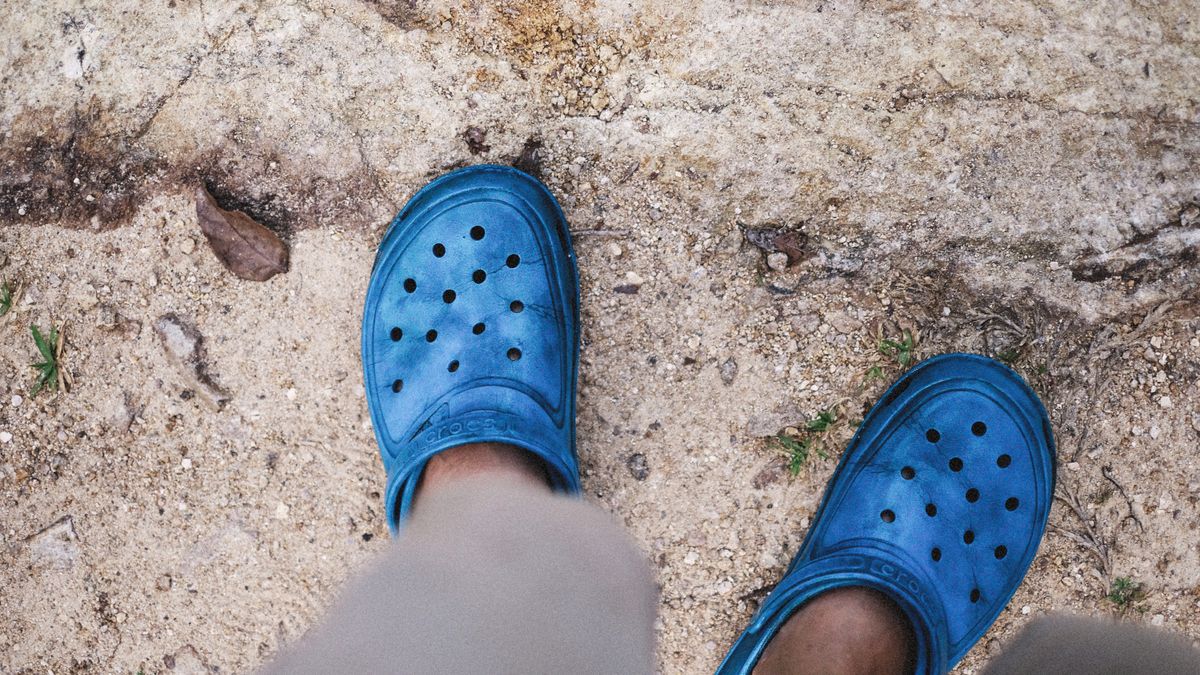
Are Crocs allowed in hospitals?
Policies differ. Styles with holes are often banned in clinical areas; closed work versions are more widely accepted.