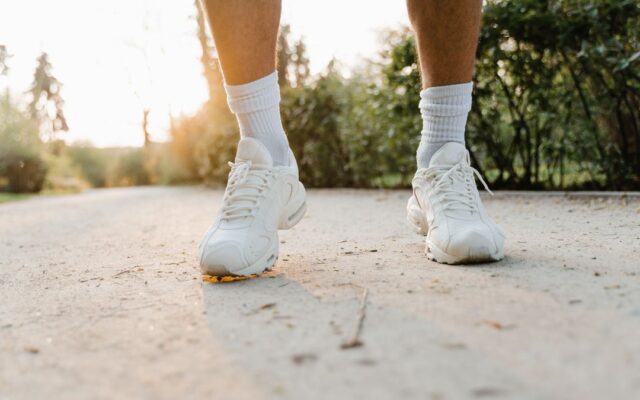
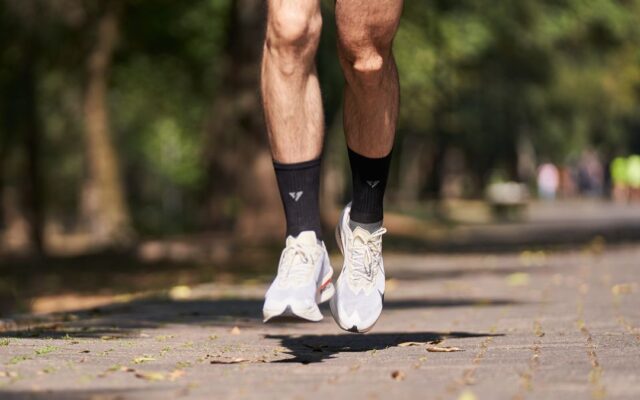
A rocker sole is a shoe sole that curves upward at the toe, the heel or both, so the shoe rolls forward like the base of a rocking chair instead of bending at the ball of the foot. That rolling motion reduces how much your toes and ankle have to bend and lowers pressure under the forefoot, which is why rocker soles are common in max-cushion running shoes, walking shoes, clogs and footwear recommended for some painful foot conditions.
In this guide
This article is general information, not medical advice. If you have foot pain, diabetes or balance problems, ask a podiatrist which sole shape is right for you.
How a rocker sole works
In a normal step your heel lands, your weight rolls over the foot and then your toes bend sharply as you push off. A rocker sole is thicker and stiffer, with a curve built in. The point where the sole starts to curve up (the apex) acts as a pivot: once your weight passes it, the shoe tips forward by itself. The joints of the forefoot bend less, and the calf and Achilles tendon do slightly less work to lift the heel.
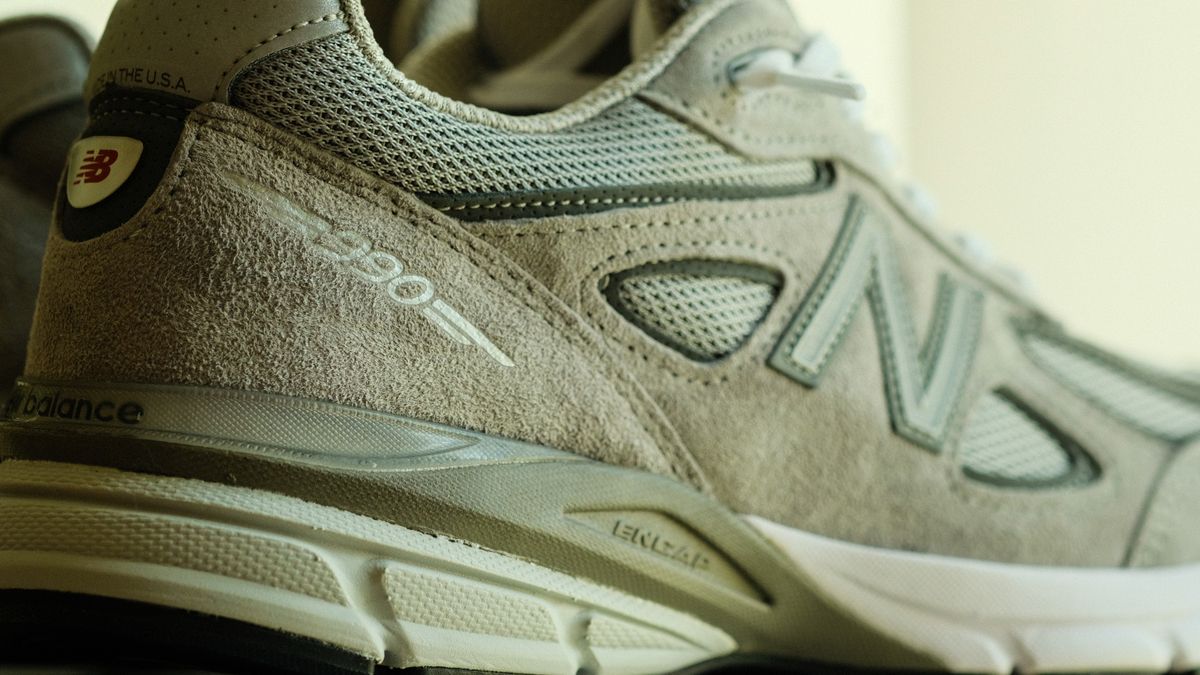
Types of rocker soles
| Type | Shape | Main effect | Where you find it |
|---|---|---|---|
| Forefoot (toe) rocker | Curves up under the toes | Less bending and pressure at the ball of the foot and big toe | Most cushioned running and walking shoes |
| Heel rocker | Rounded or bevelled heel | Softer, smoother landing | Walking shoes, many trainers |
| Heel-to-toe (full) rocker | Curved at both ends | Continuous rolling motion | Max-cushion trainers, toning and therapeutic shoes |
| Early-stage rocker | Apex set further back | Quicker roll, more offloading of the forefoot | Shoes aimed at forefoot or big-toe pain |
| Late-stage rocker | Apex nearer the toes | More stable standing, extra push-off help | Performance running shoes |
| Rigid rocker | Stiff sole or plate with a pronounced curve | Greatest reduction in joint motion | Clogs, carbon-plated shoes, orthopaedic footwear |
Brands use their own names for the idea, such as Meta-Rocker at HOKA. For how rockers relate to other sole designs, see shoe sole types and heel-to-toe drop explained.
Benefits
- Lower forefoot pressure: studies consistently show reduced pressure under the ball of the foot, which is why rocker soles are used for forefoot pain and in therapeutic footwear.
- Less bending at the big toe: helpful for stiff or arthritic big-toe joints, because the shoe does the rolling.
- Reduced ankle and calf demand: the roll assists heel lift, which some people with Achilles or calf complaints find more comfortable.
- Smoother stride with thick cushioning: a thick sole cannot flex easily, so a curve is what keeps max-cushion shoes from feeling clumsy.
- Comfort when standing and walking for hours: many nurses, teachers and retail staff prefer them; see best shoes for standing all day.
Related: Best Shoes for Bunions in 2027: 6 Roomy, Soft Picks
Downsides and risks
- Less stability: a curved base gives less flat contact with the ground. Strongly rockered shoes can challenge balance, especially when standing still, on stairs or on uneven ground.
- Load moves elsewhere: easing the ankle and forefoot can shift some work to the knee and hip.
- Adaptation: the gait feels different at first. Short wears for the first week or two are sensible.
- Less natural foot movement: the foot muscles do less, the opposite approach to barefoot-style shoes.
- Not ideal for side-to-side sports: tall curved soles are designed for walking and running in a straight line.
Who might benefit, and who should be cautious
| Situation | Rocker sole? | Why |
|---|---|---|
| Stiff or painful big-toe joint | Often helpful | Reduces how far the joint must bend |
| Pain under the ball of the foot | Often helpful | Lowers forefoot pressure |
| Heel pain such as plantar fasciitis | Sometimes helpful | Smoother loading; combine with support. See best shoes for plantar fasciitis |
| Long days walking or standing on hard floors | Popular choice | Less effort per step with thick cushioning |
| Balance problems or a history of falls | Be cautious | Curved base reduces stability; get advice first. See best shoes for seniors |
| Reduced feeling in the feet | Only with professional guidance | Therapeutic rocker shoes should be fitted by a specialist |
| Court sports, lifting, trail scrambling | Usually not | Flat, stable soles work better |
How to choose a rocker sole shoe
- Start mild. A gentle forefoot rocker in a cushioned walking or running shoe is easy to adapt to. Examples appear in our best walking shoes and HOKA vs Brooks comparison.
- Check the base. A wide sole and firm heel offset some of the lost stability.
- Test the pivot point. Walking should feel smooth, not as if you are being tipped forward or stuck behind the curve.
- Stand still in them. If you feel unsteady while standing, choose a flatter, later-stage rocker.
- Build up gradually and stop if new knee, hip or back discomfort appears.
Frequently asked questions
What does a rocker sole do?
It rolls the foot forward through each step so the toes and ankle bend less, lowering pressure under the forefoot and making thick-soled shoes feel smooth.
Are rocker sole shoes good for walking?
Yes for most people. They can make walking on hard surfaces feel easier. People with balance concerns should choose a mild rocker with a wide base or ask for advice first.
Are rocker soles good for plantar fasciitis?
Some people find them helpful, particularly combined with arch support and cushioning, but responses vary. Persistent heel pain should be assessed by a professional.
Do rocker shoes cause knee problems?
They can shift some load from the ankle to the knee and hip. Most people notice no issue, but if knee discomfort starts after switching, reduce wear and seek advice.
Is a rocker sole the same as toe spring?
Toe spring is the upward curve at the front of a shoe. A rocker sole combines that curve with a stiff sole so the shoe rolls instead of bending.