The best shoes for seniors in 2027 are stable, secure and easy to put on: the New Balance 928v3 for maximum stability, the HOKA Bondi 9 for cushioning, and the Skechers GO WALK Arch Fit for a light, simple slip-on. Good footwear for older adults has a firm heel, a wide base, a non-slip sole, a roomy toe box and a closure that holds the foot, because loose, backless or worn-out shoes are linked with a higher risk of trips and falls.
In this guide
Picks are based on published specifications and independent reviews, not our own testing. This guide is general information, not medical advice. Anyone with diabetes, neuropathy, poor circulation or recent falls should ask a podiatrist or doctor for a personal recommendation.
Quick picks
| Shoe | Closure | Best for |
|---|---|---|
| New Balance 928v3 | Laces or hook-and-loop | Stability and balance support |
| HOKA Bondi 9 | Laces | Soft cushioning for sore joints |
| Brooks Addiction Walker 2 | Laces or strap | Flat feet and overpronation |
| Skechers GO WALK Arch Fit | Slip-on | Light, easy everyday shoe |
| Orthofeet orthopedic sneakers | Laces or strap | Sensitive feet, extra depth |
| HOKA Bondi SR | Laces | Slip resistance on smooth floors |
| New Balance 577 Hook and Loop | Hook-and-loop | Hands that struggle with laces |
The best shoes for seniors in 2027
1. New Balance 928v3
Best for: older adults who want the steadiest platform
The 928 is the shoe podiatry clinics most often name for seniors. A firm leather upper, a wide flat base and the ROLLBAR support system limit side-to-side wobble, and the removable footbed leaves room for custom orthotics. It comes in several widths up to extra-wide and in a hook-and-loop version for people who find laces difficult.
- Good: very stable, many widths, orthotic friendly
- Less good: heavy and firm; leather is warm in summer
2. HOKA Bondi 9
Best for: arthritis, joint pain and long walks on hard ground
A thick, soft midsole and a rocker-shaped sole reduce impact and help the foot roll forward with less effort. The base is wide for a max-cushion shoe and wide and extra-wide sizes are available. It is a good choice for active seniors without significant balance problems.
- Good: excellent shock absorption, smooth roll, wide options
- Less good: tall sole can feel unfamiliar; pricey
3. Brooks Addiction Walker 2
Best for: flat feet and ankles that roll inward
This leather walking shoe has firm motion-control support under the arch, a slip-resistant outsole and a choice of laces or a V-strap. It is frequently recommended for seniors with flat feet who need more correction than a neutral shoe gives. More options are in our best shoes for flat feet.
- Good: strong arch support, strap version, durable
- Less good: stiff until broken in; plain looks
4. Skechers GO WALK Arch Fit
Best for: a light shoe that is easy to get on
Very light, flexible and cushioned, with a supportive removable insole and a stretchy slip-on upper. Hands-free Slip-ins versions let you step in without bending. It is best for errands and indoor walking by people with good balance.
- Good: light, easy on, machine washable
- Less good: less heel hold and side support than lace-up shoes
5. Orthofeet orthopedic sneakers
Best for: swollen, sensitive or hard-to-fit feet
Orthofeet builds extra depth, a wide toe box, soft seam-free linings and a cushioned orthotic insole into ordinary-looking sneakers. Many models have stretch uppers and both laces and a strap, and are offered up to extra-extra-wide. They are popular with people managing bunions, hammertoes or swelling.
- Good: extra depth and width, gentle interior, adjustable
- Less good: bulkier appearance; higher price
6. HOKA Bondi SR
Best for: kitchens, clinics and smooth indoor floors
The SR version of the Bondi adds a slip-resistant outsole and a water-resistant leather upper to the same deep cushioning. RunRepeat rated it its top slip-resistant walking shoe for seniors.
- Good: grippy on wet and smooth floors, cushioned, wipe-clean
- Less good: heavy and less breathable
7. New Balance 577 Hook and Loop
Best for: arthritis in the hands
A simple leather walking shoe with two wide straps instead of laces, a cushioned midsole and a stable flat base. It costs less than the 928 and is easy to adjust through the day as feet swell.
- Good: easy straps, stable, good value
- Less good: basic cushioning; fewer colours
Related: How to Fix Flat Feet: Exercises, Insoles and Shoes
What makes a shoe safe for older adults?
| Feature | Why it helps |
|---|---|
| Firm heel counter | Holds the heel steady and improves balance |
| Wide, flat sole | Larger contact area resists tipping |
| Low heel | High or narrow heels shift weight and reduce stability |
| Non-slip tread | Reduces slips on wet or polished floors |
| Laces or straps | Keep the shoe attached; backless shoes can slide off |
| Roomy toe box | Space for bunions, hammertoes and swelling |
| Moderate cushioning | Protects joints without making the shoe wobbly |
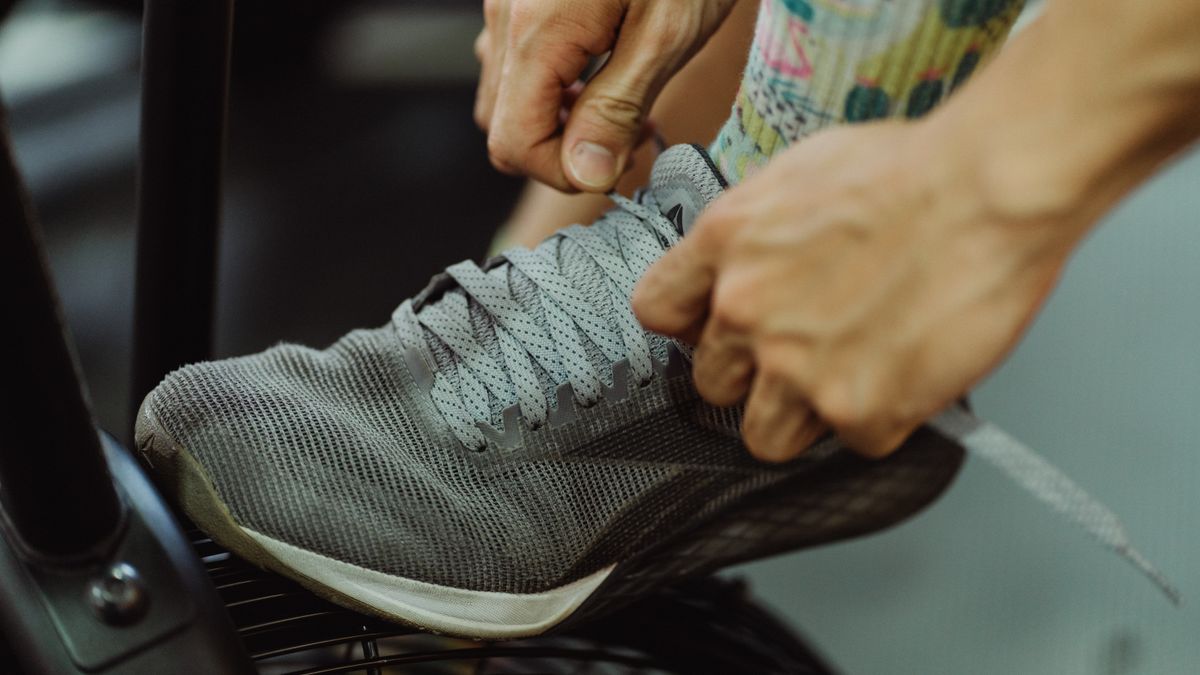
Fit tips
- Re-measure your feet. Feet often get longer and wider with age. Follow how to measure your shoe size and check width with wide vs regular shoe width.
- Shop in the afternoon when feet are at their largest.
- Replace worn shoes. Smooth tread and collapsed heels reduce grip and support.
- Indoors counts too. Choose closed-back house shoes with rubber soles from our best slippers rather than loose scuffs or socks alone.
- Bunions or heel pain? See best shoes for bunions and best shoes for plantar fasciitis.
- Swollen ankles: ask your doctor whether compression socks are suitable.
For general advice on fit and cushioning, read how to choose walking shoes and our best walking shoes.
Frequently asked questions
What type of shoe is best for seniors?
A lace-up or strap walking shoe with a firm heel, a wide stable sole, non-slip tread and a roomy toe box. It should feel secure and comfortable straight away.
Are slip-on shoes safe for older adults?
Slip-ons with a closed, structured heel can be fine for people with good balance. Backless or loose slip-ons are best avoided because they can slide off.
Is a lot of cushioning good for seniors?
Cushioning helps sore joints, but very soft, tall soles can reduce the feel of the ground. People with balance concerns usually do better with a firmer, lower shoe.
What shoes help prevent falls?
No shoe prevents falls on its own, but secure, low-heeled shoes with firm heel support and slip-resistant soles are associated with lower risk than slippers, heels or going barefoot.
How often should seniors replace their shoes?
Roughly every 8 to 12 months with daily wear, or sooner if the tread is smooth, the heel leans or the cushioning feels flat.