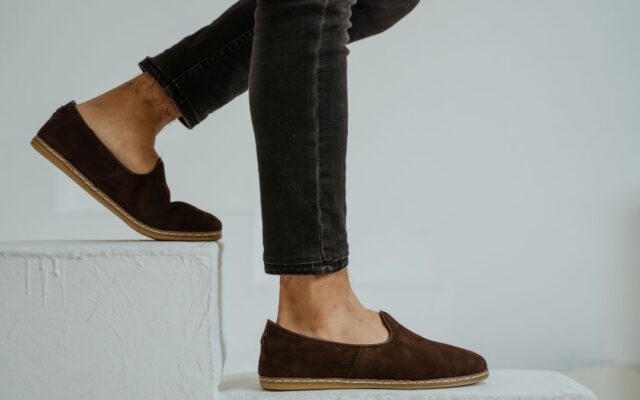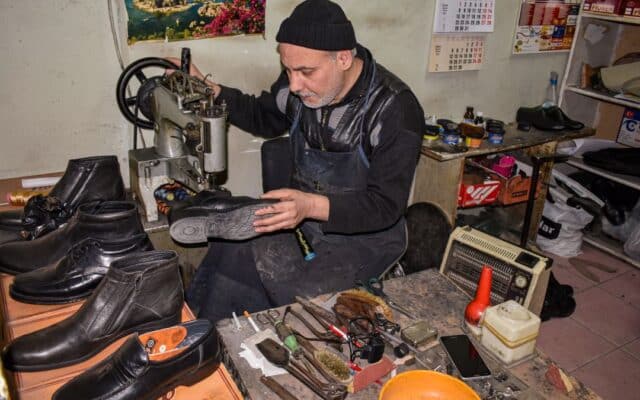
Yes, some shoes stretch, but only a little and mostly in width: leather and suede can give by roughly a quarter to half a size across the widest part of the foot, while synthetic, patent and rubber shoes hardly stretch at all. No shoe gets meaningfully longer, so if your toes touch the end, the shoe is too small and stretching will not fix it.
In this guide
How much do shoes stretch? By material
| Material | Stretch in width | How quickly | Notes |
|---|---|---|---|
| Full-grain leather | Moderate | 1 to 3 weeks of wear | Moulds to the foot; softer leathers give more |
| Suede and nubuck | Moderate to high | A few wears | Softest and quickest to give |
| Patent leather | Very little | Slowly, if at all | Coating resists stretching and may crack if forced |
| Canvas and cotton | Slight | A few wears | Relaxes rather than stretches |
| Knit and engineered mesh | Slight to moderate | Immediately | Elastic by design; returns to shape |
| Synthetic leather (PU) | Minimal | Hardly changes | Buy the right size from the start |
| Rubber and plastic | None | Never | Rain boots and clogs stay as they are |
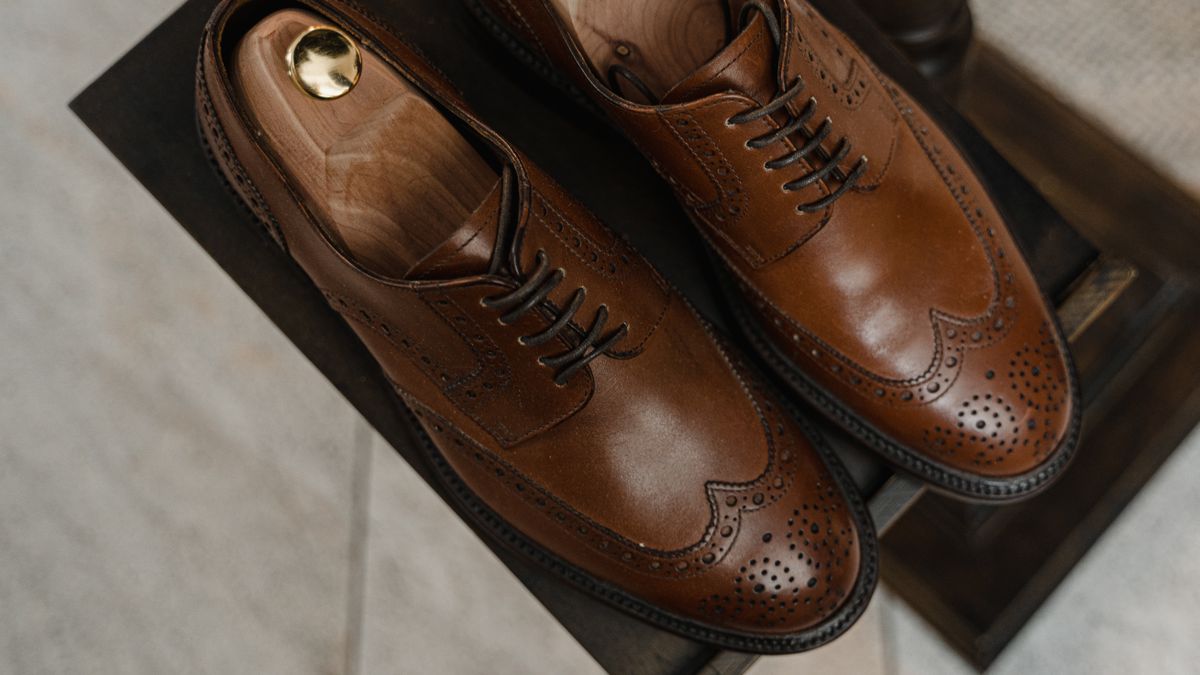
Where shoes stretch and where they do not
- Width at the forefoot: the main area that gives, as the upper eases around the ball of the foot and the little-toe side.
- Instep and vamp: the top of the shoe softens and creases, relieving pressure over the laces.
- Length: effectively fixed. The sole, toe stiffener and heel counter do not lengthen.
- Heel: the stiff heel counter keeps its shape, though the lining softens.
- Sole: becomes more flexible with wear but not bigger.
Will these shoes stretch enough? A quick test
| How they feel new | Likely outcome |
|---|---|
| Snug across the widest part, no pain | Leather or suede will usually become comfortable |
| Tight over the top of the foot | Often improves; try different lacing first |
| Toes pressed against the front | Will not improve; go up half a size |
| Painful pinching or numbness | Wrong size or shape; return them |
| Tight synthetic or patent shoes | Expect almost no change |
Unsure about sizing? Check how tight shoes should be and re-measure with how to measure your shoe size. If only the width is a problem, a wide fitting is a better answer than stretching; see wide vs regular shoe width.
Related: How to Clean Canvas Shoes Without Ruining Them
How to stretch shoes safely
- Wear them in gradually. Thick socks, 30 to 60 minutes at a time indoors, for one to two weeks. This is the gentlest method and the one that best matches your foot. Our guide on how to break in shoes has a full schedule.
- Use a shoe stretcher. A two-way stretcher left in for 24 to 48 hours widens leather shoes evenly, and bunion plugs target a single spot. See our best shoe stretchers.
- Add stretching spray. A leather stretch spray relaxes the fibres so they give more easily with a stretcher or while you wear the shoes.
- Visit a cobbler. A professional stretching machine is the safest choice for expensive, patent or lined shoes.
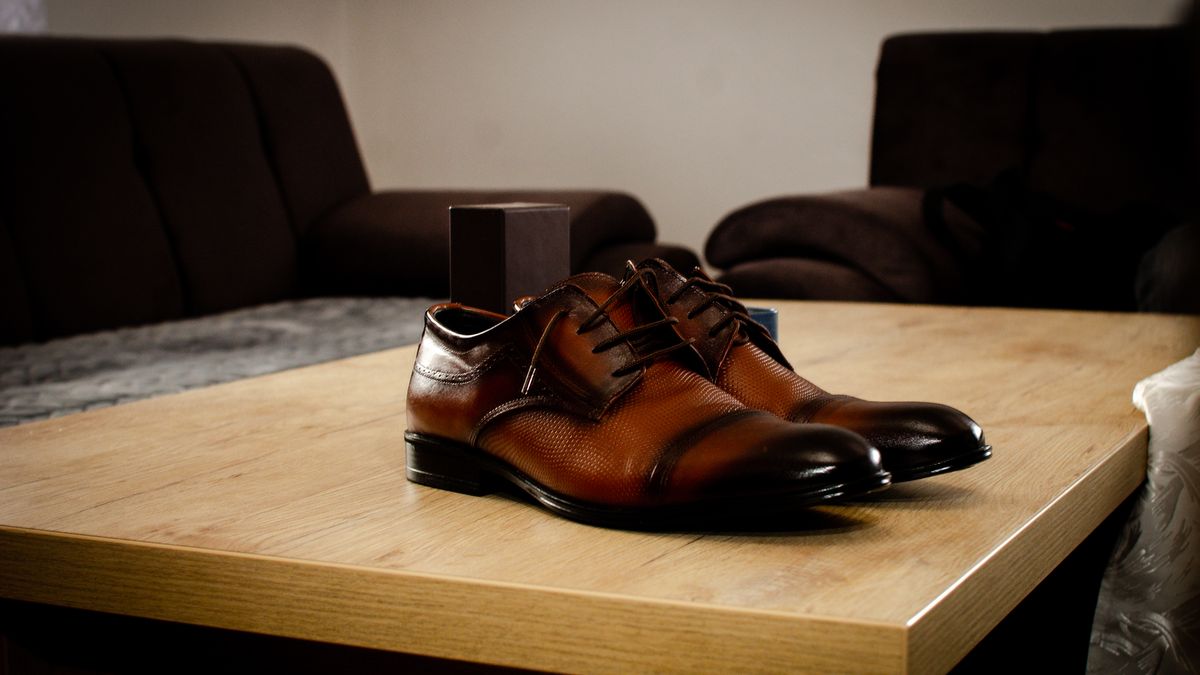
Methods to treat with caution: freezing bags of water inside shoes and heating them with a hairdryer are widely suggested, but ice can wet and stain leather, and heat can dry leather out and weaken the glue. If you try heat, keep it brief and condition the leather afterwards.
Do shoes stretch over time on their own?
Yes. With regular wear, leather uppers relax, the footbed compresses and the shoe feels roomier even though its length is unchanged. That is why a leather shoe should start snug but not painful. Cedar shoe trees help shoes keep their shape between wears so they do not stretch unevenly or curl.
If they stretch too much
Shoes that become loose can often be rescued with insoles, heel grips or tongue pads. See how to make shoes smaller.
Frequently asked questions
Do leather shoes stretch?
Yes, mainly in width. Expect up to about a quarter or half a size of extra room across the forefoot after a few weeks of wear, depending on how soft the leather is.
Can shoes stretch a full size?
No. Length barely changes, and width gains are limited. If you need a full size more, exchange the shoes.
Do sneakers stretch?
Knit and mesh sneakers give slightly and feel looser as the padding compresses, but synthetic overlays and the sole do not stretch. Buy sneakers that fit from day one.
Do boots stretch?
Leather boots soften and widen a little, especially around the ball of the foot and the shaft. They will not get longer. See how boots should fit.
Should I buy shoes tight and wait for them to stretch?
Only slightly snug leather shoes. Never buy shoes that hurt or that touch the ends of your toes in the hope they will stretch.