Break in new shoes gradually: wear them around the house with thick socks for an hour or two a day, flex the soles by hand, and cover any spot that rubs with tape or a blister plaster before it gets sore. Most shoes soften within one to two weeks of short wears.
In this guide
Breaking in means the materials relax and mould to the shape of your foot. It makes a shoe that fits more comfortable. It does not fix a shoe that is the wrong size.
First, check that they fit
General stiffness goes away with wear. These problems do not:
- Toes touching the end of the shoe
- Sharp pressure on one point, such as the little toe joint
- A heel that lifts right out when you walk
If you notice any of these, exchange the shoes while you still can. Measure your feet with our guide to measuring shoe size at home if you are unsure.
A one-week break-in plan
| Day | What to do |
|---|---|
| 1 to 2 | Wear indoors with thick socks for 30 to 60 minutes. Flex the soles by hand before and after. |
| 3 to 4 | Wear indoors for 1 to 2 hours. Note any hot spots and protect them. |
| 5 to 6 | Short trips outside of up to half a day. Carry a spare pair if you can. |
| 7 onwards | Full days. Stiff leather boots may need another week or two. |
Related: How to Clean Suede Shoes Without Damaging Them
Six ways to speed things up safely
1. Wear thick socks indoors
Thick socks stretch the upper slightly and protect your skin at the same time. This is the safest method and works for every type of shoe.
2. Flex and bend the shoes by hand
Bend the sole at the ball of the foot and gently work the heel counter back and forth. It loosens stiff soles without your foot having to do the work.
3. Use shoe stretchers or shoe trees
A shoe stretcher left in overnight widens tight leather shoes by a few millimetres. A stretching spray makes leather more pliable while it works.
4. Apply gentle warmth to leather
Put on thick socks and the shoes, warm the tight areas with a hairdryer on medium for 20 to 30 seconds, then walk around until the leather cools. Keep the dryer moving and condition the leather afterwards. Do not use heat on synthetic or patent materials, which can warp or crack.
5. Condition the leather
Leather conditioner softens stiff leather and helps it mould faster. It also reduces creasing; if creases form, see how to uncrease shoes.
6. Protect hot spots early
Put a blister plaster, moleskin or zinc oxide tape on your skin where you feel rubbing, before a blister forms. A dab of anti-chafe balm on heels and toes also helps.
Tips by shoe type
- Leather dress shoes: expect one to two weeks. Use shoe trees between wears and condition after the first few outings.
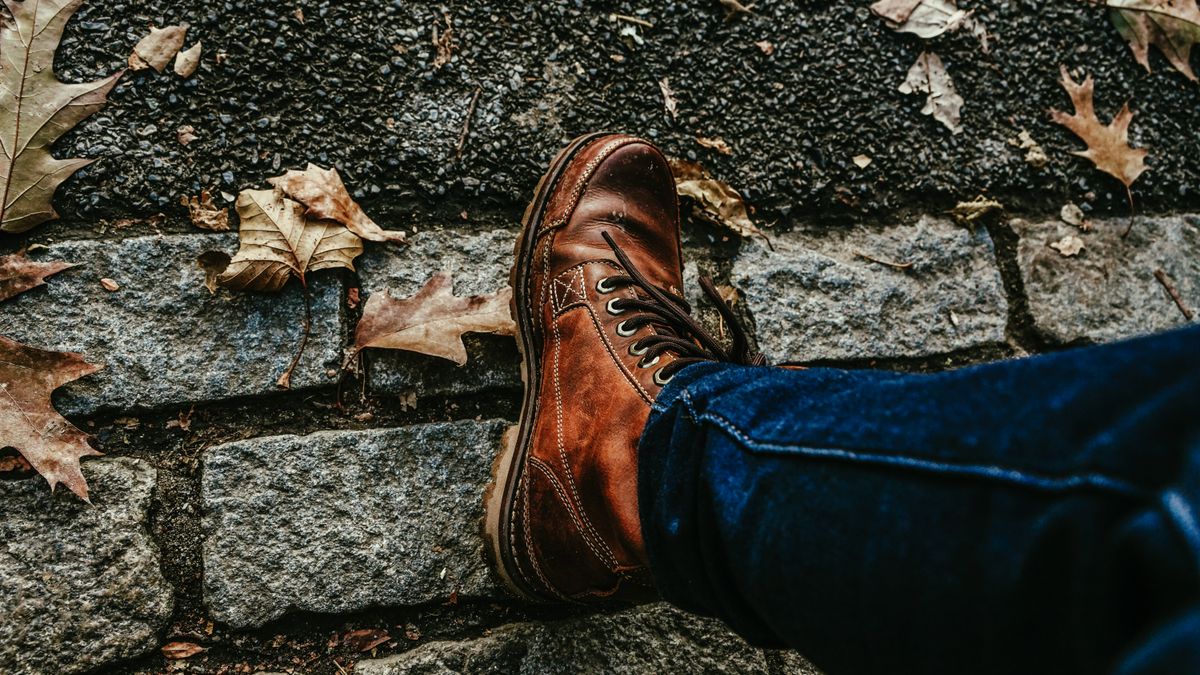
- Leather boots: the longest break-in, sometimes three to four weeks for heavy work or hiking boots. Never take new boots on a long hike.
- Running shoes: they should feel comfortable straight away. Do a few short, easy runs before a long one, and return them if they rub.
- High heels: wear them at home on carpet first, and use ball-of-foot cushions.
- Canvas sneakers: a few wears with socks is usually enough.
Methods to avoid
- Soaking shoes in water and wearing them wet. It can stain leather, weaken glue and leave shoes misshapen.
- Freezing bags of water inside shoes. The expansion is uncontrolled and can split seams.
- Wearing new shoes for a full day at once. This is how most break-in blisters happen.
Frequently asked questions
How long does it take to break in new shoes?
Sneakers need a few wears, leather shoes one to two weeks, and heavy leather boots up to a month of regular short wears.
Should new shoes hurt?
They may feel stiff, but they should not hurt. Sharp pain or numbness means the size or shape is wrong for your foot.
Do shoes stretch as you wear them?
Leather stretches a little in width and moulds to your foot. Synthetic materials stretch very little, and no shoe gets longer.
How do I stop new shoes rubbing my heel?
Protect the skin with a blister plaster, wear socks that cover the heel, and soften the heel counter by flexing it by hand. Heel grips help if the shoe is slightly loose.