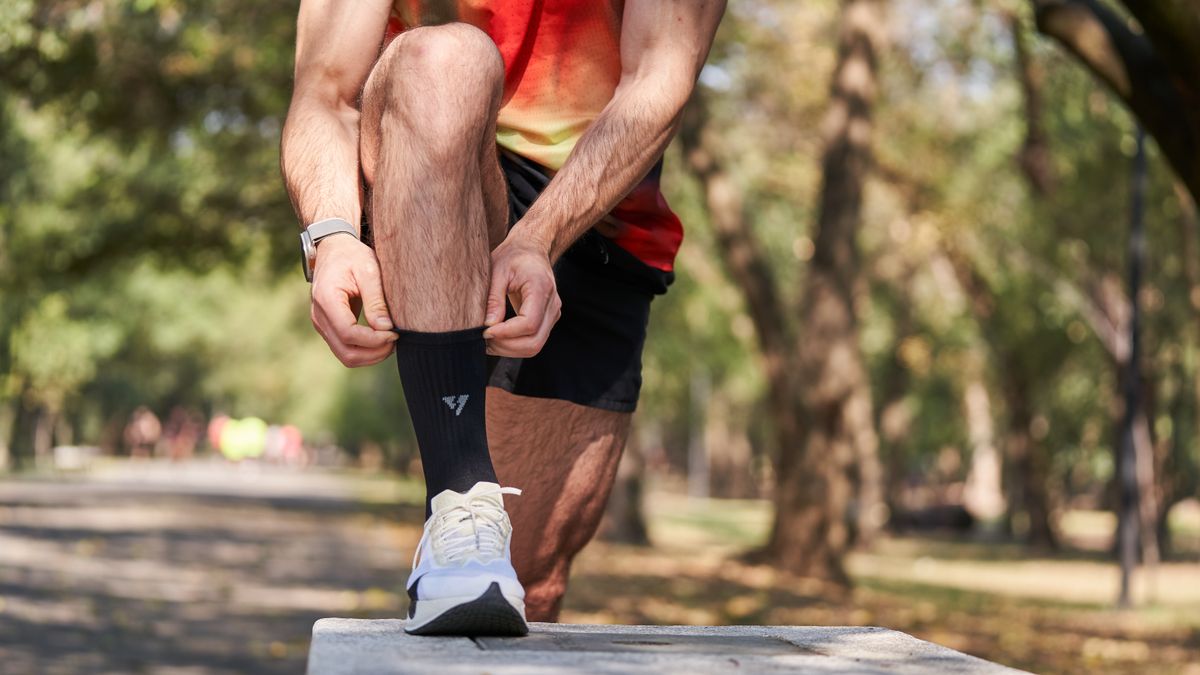
The best compression socks apply graduated pressure, firmest at the ankle and easing up the calf, and fit your calf measurement rather than just your shoe size. For running and recovery, CEP’s Run Compression Socks are the most consistently recommended. For everyday wear and travel, a 15 to 20 mmHg sock such as the Sockwell Circulator or a Charmking multipack is comfortable for long periods. Firmer 20 to 30 mmHg socks suit people who know they need more support.
In this guide
This article is general information, not medical advice. If you have diabetes, circulation problems, skin conditions or heart disease, or want compression for a medical reason, ask a doctor before using compression socks. Picks are based on published specifications and independent reviews, not our own testing.
Quick picks
| Sock | Best for | Compression |
|---|---|---|
| CEP Run Compression Socks | Running and recovery | About 20 to 30 mmHg |
| 2XU Vectr Cushion Full Length | Cushioning and arch support for runners | Graduated, firm |
| Sockwell Circulator | All-day comfort, merino blend | 15 to 20 mmHg |
| Physix Gear Compression Socks | Firm support at a fair price | 20 to 30 mmHg |
| Charmking Compression Socks (3-pack) | Budget, first pair, travel | 15 to 20 mmHg |
| Fitrell Compression Socks (3-pack) | Firmer budget multipack | 20 to 30 mmHg |
The 6 best compression socks
1. CEP Run Compression Socks
Best for: runners and anyone wanting a precise fit
CEP is the sports arm of a German medical compression maker. Its tall running socks are sized by calf circumference, hold their pressure when sweaty and have padded zones under the foot.
- Good: accurate graduated compression, calf-based sizing, durable
- Less good: expensive; hard to pull on at first
2. 2XU Vectr Cushion Full Length
Best for: runners who want foot cushioning and arch support
A full-length sock with a cushioned sole, a supportive band around the arch and graduated compression up the calf. It is breathable for its thickness.
- Good: cushioned, supportive arch, stays up
- Less good: snug top band on larger calves; pricey
3. Sockwell Circulator
Best for: teachers, nurses and travellers who want a softer sock
A merino wool and bamboo-rayon blend with moderate compression. It feels like a normal quality sock, manages temperature and odour well and comes in many patterns.
- Good: soft, breathable, comfortable for hours
- Less good: only two sizes; lighter compression than sport socks
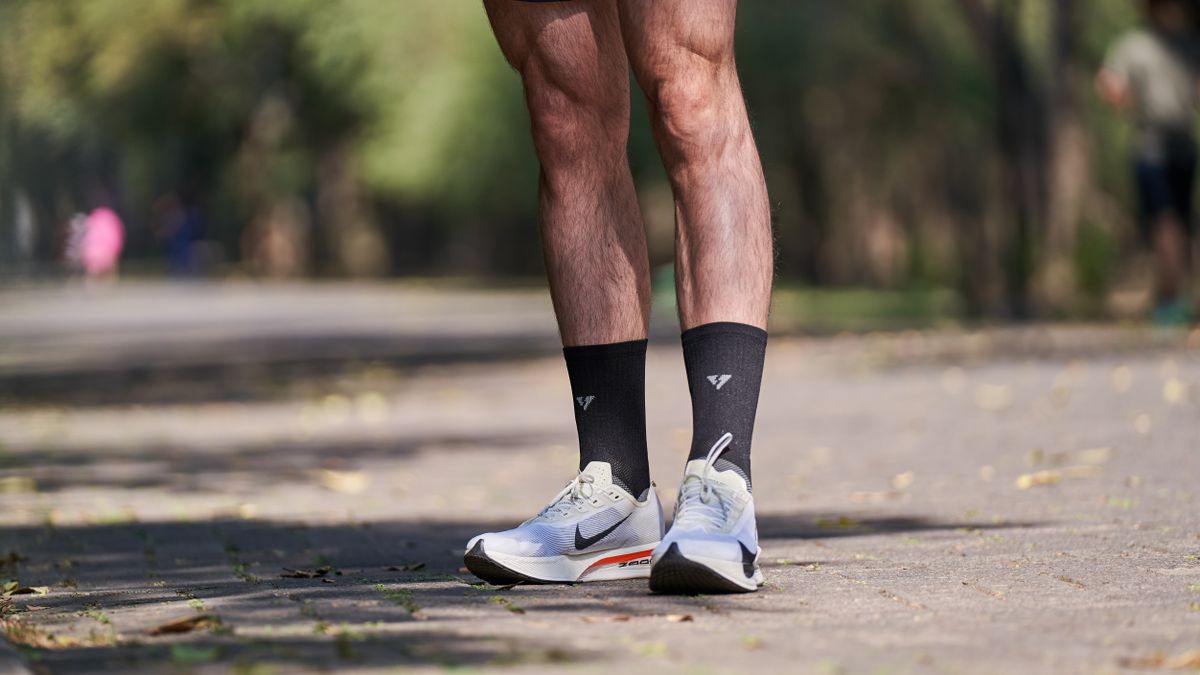
4. Physix Gear Compression Socks
Best for: firm support for long shifts or flights
A popular 20 to 30 mmHg sock with a double-stitched build and moisture-wicking fabric, at a fraction of the price of medical brands.
- Good: firm pressure, durable, affordable
- Less good: tight to put on; warm in hot weather
5. Charmking Compression Socks (3-pack)
Best for: trying compression for the first time
Three pairs for the price of one premium sock, with moderate compression and a stretchy nylon blend that is easy to get on.
- Good: very good value, easy to wear, lots of colours
- Less good: sized by shoe size only; compression is less precise
6. Fitrell Compression Socks (3-pack)
Best for: a firmer feel on a budget
A multipack with firmer graduated compression and a cushioned heel and toe, suited to work shifts and sport.
- Good: firm support at low cost, cushioned foot
- Less good: fit varies; top band can dig in on wide calves
Related: What Is Metatarsalgia? Ball of Foot Pain Explained
Compression levels explained
| Level | Typical use |
|---|---|
| 8 to 15 mmHg (light) | Tired legs, everyday comfort |
| 15 to 20 mmHg (moderate) | Travel, standing or sitting all day, mild swelling |
| 20 to 30 mmHg (firm) | Sport and recovery, heavier swelling; often used on medical advice |
| 30 mmHg and above | Medical use; only as prescribed |
How to choose and wear them
- Measure your calf at its widest point and your ankle at its narrowest, in the morning. Use the brand’s chart.
- Choose graduated compression. Uniform “tight socks” do not do the same job.
- Put them on in the morning before swelling builds. Gather the sock, fit the foot, then unroll it up the leg without tugging the top.
- Never roll or fold the top band; it creates a tight ring.
- Stop wearing them and seek advice if you get numbness, tingling, pain or skin colour changes.
- Replace every three to six months of regular wear, as elastic weakens.
Related guides: the best shoes for standing all day, the best shoes for nurses, the best insoles for standing all day and the best hiking socks. Runners with sore shins can read how to deal with shin splints.
Frequently asked questions
Do compression socks really work?
They are well established for reducing leg swelling and discomfort during long periods of sitting or standing. Evidence for improved sports performance is mixed, though many runners find them comfortable for recovery.
How long can you wear compression socks?
Most people wear them through the day and take them off at night. Follow medical advice if they were prescribed.
What mmHg should I choose?
15 to 20 mmHg suits most everyday and travel use. Choose 20 to 30 mmHg for sport, or if a clinician has recommended it.
Who should not wear compression socks?
People with peripheral arterial disease, severe nerve damage in the legs or certain skin and heart conditions should not use them without medical advice.