Most nurses wear one of three types of shoe: cushioned clogs, supportive athletic sneakers, or slip-on work shoes. Whatever the style, the best nursing shoes share the same features: slip-resistant soles, plenty of cushioning and arch support for 12-hour shifts, a closed toe, and an upper that wipes clean.
In this guide
The main types compared
| Type | Strengths | Weaknesses |
|---|---|---|
| Clogs | Roomy toe box, firm arch support, wipe-clean, easy on and off | Can feel heavy or stiff; some styles are less stable on stairs or when moving fast |
| Athletic sneakers | Light, well cushioned, stable for lots of walking | Mesh soaks up spills and is harder to disinfect |
| Slip-on work shoes | No laces to contaminate or trip on, often leather or synthetic for easy cleaning | Fit is less adjustable |
| Moulded foam (EVA) clogs | Very light, washable, inexpensive | Wear out faster; check your employer allows them, and choose closed designs without holes |
What to look for in nursing shoes
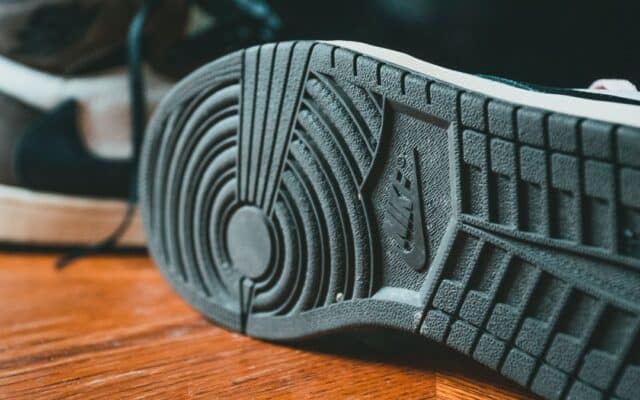
- Slip resistance. Hospital floors are smooth and frequently wet. Look for soles tested for wet surfaces; see what slip-resistant shoes are and how they work.
- Cushioning and shock absorption to reduce fatigue on hard floors.
- Arch support and a stable heel so feet, knees and back are less tired by the end of a shift.
- A wide toe box. Feet swell over a long shift.
- Fluid-resistant, wipeable uppers in leather, synthetic leather or coated materials.
- Closed toe and heel for protection from spills and dropped items. Many employers require this.
- Light weight. Small differences add up over thousands of steps.
- Dress code. Many workplaces specify colour, usually white or black, and closed designs. Check before you buy.

How should nursing shoes fit?
- Try them on at the end of the day, or after a shift, when your feet are at their largest.
- Leave about a thumb’s width in front of your longest toe.
- The heel should feel secure. In traditional clogs a small amount of heel lift is normal by design.
- Get the width right; see shoe widths explained and how to measure your shoe size.
- Wear the socks or compression socks you use at work.
Related: Best Steel Toe Work Boots of 2026: 7 Tough Picks
Tips for comfort on long shifts
- Rotate two pairs. Cushioning recovers and shoes dry out between wears, and they last longer.
- Replace insoles when they flatten, or add supportive ones.
- Consider compression socks, which many nurses find reduce leg tiredness and swelling.
- Replace shoes regularly. With full-time use, cushioning and tread commonly wear out in six to twelve months.
- Stretch your calves during breaks.
If you have ongoing foot pain, shoes are only part of the answer; see our guides to flat feet, ball-of-foot pain and bunions, and speak to a podiatrist.
How to keep nursing shoes clean
- Wipe leather and synthetic uppers with a disinfectant wipe or mild soapy water after each shift, following the maker’s care advice.
- Wash removable insoles and let them dry fully.
- Machine wash mesh sneakers only if the brand allows; see how to wash shoes in the washing machine.
- Keep work shoes for work. Change at work if you can, and carry them in a separate bag.
- Air them out between shifts to prevent odour; see how to get rid of shoe odor.
Do the same rules apply to other jobs?
Largely, yes. Teachers, retail staff, hospitality workers and anyone else on their feet all day need the same things: cushioning, support, room for the toes and a sole that grips. Where safety footwear is required, see composite toe vs steel toe.
Teaching makes similar demands on feet. See what shoes teachers wear.
For specific models, see the best shoes for standing all day in 2026.
For specific models, see the best shoes for nurses in 2026.
Frequently asked questions
Why do nurses wear clogs?
They are supportive, roomy at the toes, easy to slip on and off, and simple to wipe clean, which suits long shifts in a clinical setting.
Can nurses wear running shoes?
Many do, where the dress code allows. Choose a cushioned pair with a grippy sole, and bear in mind mesh is harder to keep clean.
How often should nurses replace their shoes?
Roughly every six to twelve months with full-time wear, or sooner if the tread is worn or your feet start to ache.
Are slip-resistant shoes required for nurses?
Policies vary, but slip-resistant, closed-toe shoes are strongly recommended and often required by employers.