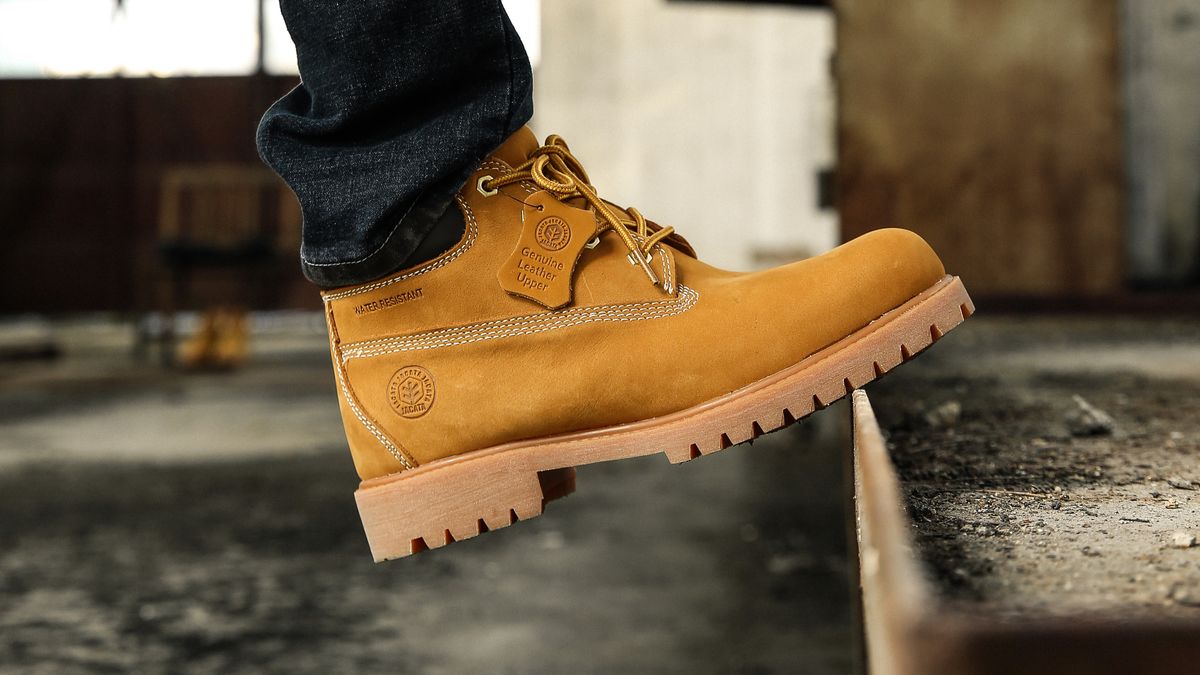
All three types of safety toe must pass the same impact and compression tests to carry a safety rating, so none is “safer” on paper. The real differences are weight, bulk, temperature and whether the cap contains metal. Steel is the cheapest and most compact strong option, composite is non-metallic and better in heat, cold and around electricity, and alloy is the lightest metal option.
In this guide
Quick comparison
| Feature | Steel toe | Composite toe | Alloy toe |
|---|---|---|---|
| Material | Steel | Fibreglass, carbon fibre, Kevlar or plastic | Aluminium or titanium alloy |
| Weight | Heaviest | Light | Lightest metal option |
| Cap thickness | Thin | Thickest, so a bulkier toe | Thin, roomy toe box |
| Conducts heat and cold | Yes | No | Yes |
| Conducts electricity | Yes | No | Yes |
| Sets off metal detectors | Yes | No | Yes |
| Typical price | Lowest | Mid to high | Highest |
Do they all meet the same safety standard?
In the United States, protective toe footwear is tested to ASTM F2413, which sets requirements for impact and compression resistance. A boot labelled as meeting the standard has passed those tests whatever the cap is made of. In Europe the equivalent is EN ISO 20345. Check the label inside the boot and your employer’s requirements; the rating matters more than the material.
Steel toe boots
Good for: construction, heavy manufacturing, warehousing and anyone on a budget.
- Strong for its thickness, so the cap is slim and the boot looks less bulky.
- Widely available and usually the least expensive.
- Heavier, which you notice over a long shift.
- Conducts cold in winter and heat in hot environments.
Composite toe boots
Good for: electricians, airport and security staff, outdoor work in cold weather, and long days on your feet.
- Contains no metal, so it does not conduct electricity or set off metal detectors.
- Does not transfer heat or cold to your toes.
- Noticeably lighter than steel.
- The cap has to be thicker to reach the same rating, so the toe can look and feel bulkier.
A composite toe alone does not make a boot electrically safe. Look for a separate electrical hazard (EH) rating if you work around live circuits.
Related: How to Lace Boots: 6 Lacing Techniques for a Better Fit
Alloy toe boots
Good for: people who want metal-cap protection with less weight and more toe room.
- Lighter than steel, sometimes by a third or more for the cap itself.
- Thin walls leave more space in the toe box.
- Still metal, so it conducts temperature and triggers detectors.
- Usually the most expensive of the three.
Which should you choose?
- Tight budget or very heavy work: steel.
- Electrical work, metal detectors, extreme cold or heat: composite.
- All-day wear where weight matters and metal is acceptable: alloy.
- Wide feet: steel or alloy, because the thinner caps leave more room, or a composite boot in a wide fitting.
Fit and comfort in safety toe boots
A safety cap does not stretch, so the toe box must fit from the first day. Your toes should not touch the cap when you stand, walk downhill or squat. See how boots should fit, and check your width with our guide to shoe widths. The rest of the boot still needs breaking in; follow how to break in boots.
Common myths
- “A steel toe can cut your toes off.” A rated cap is designed to withstand loads far beyond normal accidents. In an impact severe enough to crush the cap, the foot would be badly injured in any footwear.
- “Composite is weaker.” Rated composite caps pass the same tests as steel.
- “Safety boots last forever.” Replace any safety boot after a serious impact or if the cap is exposed or dented, even if it looks usable.
Working on hard floors? See shoes and foot pain tips for concrete.
Safety boots often have thin footbeds; see the best insoles for standing all day.
Frequently asked questions
Is composite toe as safe as steel toe?
Yes, if the boot carries the same safety rating. Both must pass identical impact and compression tests.
Are composite toe boots lighter?
Generally yes. Composite caps weigh less than steel, though the difference in the whole boot depends on the sole and upper.
Do composite toes go through airport security?
They contain no metal in the cap, so they usually do not trigger detectors. Other metal parts such as shanks or eyelets still can.
Which is better in cold weather?
Composite. Steel and alloy caps conduct cold to your toes, while composite does not.